
Small business founders spend thousands of dollars on websites, logos, and digital ads to win new clients. Once a buyer or job seeker walks through the front door, the room itself becomes the strongest signal of company quality. Smart layout choices, warm wood or stone, and indoor greenery turn plain floor space into a clear sign of trust and care.

How Storefront Entries Shape First Impressions
A business starts showing its standards before a guest ever reaches the front desk. A commercial building report points out that 95% of shoppers look at a store's exterior before deciding where to shop. Clean glass, clear signs, and healthy potted plants near the door show that the team cares about daily upkeep.
The first 10 steps inside a clinic, retail shop, or small agency set the mood for the whole visit. A 2025 retail design study confirms that guests stay longer and spend more money when a space feels calm and welcoming. Softening concrete paths and glass doors with neat greenery helps nervous patients or busy clients relax right away.
Turning Reception Areas Into Quiet Brand Builders
Waiting rooms and front lobbies do heavy lifting for how people judge a brand. A workplace strategy article notes that an office layout tells visitors how a company works right away. Cluttered desks, harsh lights, and bare corners can make a good firm look sloppy.
Balancing Logos With Natural Textures
Smart founders avoid putting brand colors on every single wall. Strong branding builds a steady, real feel instead of covering every wall with logos. An office design guide explains that placing a few large, healthy plants near hard surfaces makes a lobby feel calmer and better cared for.
Planning Entryway Greenery Without Clutter
Choosing clean commercial planters keeps busy doorways neat and easy to walk through. Founders who want to compare fiberglass and metal styles can go now to check standard sizes for business entryways. Matching planter colors to door frames and floors ties the front zone together without crowding paths.
Smart placement protects smooth foot traffic during peak morning hours. Leaving at least 36 inches of clear path around each planter keeps doors open for strollers, carts, and wheelchairs. Tall, slim pots work well beside double doors, as they frame the entry cleanly without taking up wide floor space.
Why Biophilic Design Matters for Small Teams
Office design shapes daily work output just as much as it shapes client views. Workplace research shows that offices with biophilic design can lift output by up to 15%, with a study finding that 70% of staff feel more engaged around greenery and daylight. Adding real plants near shared desks gives tired eyes a soft focal point during long screen hours.
Supporting Calm Focus During Busy Weeks
Small teams juggle tight deadlines in compact rooms where noise and stress build up fast. A 2025 workspace wellness report highlights that indoor plants, daylight, and natural materials help lower cortisol levels among staff. Even 4 or 5 floor planters can soften sharp echoes and make a busy studio feel calmer.
Practical Ways to Add Greenery to Tight Floor Plans
Small offices, dental clinics, and local studios rarely have spare floor space to waste. Picking compact shapes and tall profiles lets founders bring nature inside without shrinking desks or blocking sunlight from windows.
Tall corner planters: Fill empty room corners with 30-inch pots that draw the eye up without crowding chairs.
Low cabinet troughs: Set slim, long planters on storage units to divide open desks gently.
Entry side pairs: Place 2 matching planters beside main doors to frame the walkway cleanly.
Window-ledge groups: Set 3 small pots near bright glass to keep leaves healthy all year.
Grouping plants into 2 or 3 main zones makes weekly care fast for busy office staff. Tight clusters look much cleaner than putting single tiny pots on random shelves or front counters.
Choosing Commercial Containers Built for Daily Wear
Home planters from local garden shops rarely hold up under heavy foot traffic. Thin clay cracks when bumped by rolling chairs, and unsealed pots leave dark water rings on wood or stone floors. Fiberglass planters resist rough weather and stay light enough for indoor lobbies and outdoor paths.
Key Material Traits for High-Traffic Rooms
Commercial-grade pots protect the plant and your floor for $150 to $600 per piece. Look for thick double walls, sealed bases or inner drip trays, and matte coats that hide shoe scuffs. Heavy resin and coated metal offer strong durability for entries that see hundreds of guests each week.
Scaling Workspace Design Across Phased Expansions
Growing small firms rarely furnish a whole office on day 1. Buying modular planters in repeat sizes lets founders add new rooms or branch offices that match the first space without starting over.
Phase 1 (1 to 10 staff): Start with 2 entry planters and 2 lobby pots to set core brand rules.
Phase 2 (11 to 25 staff): Add long divider troughs between team tables and quiet phone booths.
Phase 3 (Multi-site rollout): Reorder the exact same colors and heights so each branch shares 1 clean look.
Sticking to 1 neutral color palette, such as matte charcoal, warm white, or slate gray, keeps growth simple. New pots blend right in with older pieces even when bought 12 or 18 months later.
Budgeting and Maintaining Architectural Greenery
Treating planters as long-term fixtures instead of throwaway decor keeps yearly budgets steady. Pairing tough pots with hardy indoor plants, such as snake plants, ZZ plants, and pothos, cuts swap costs in dim halls and sunny shops alike.
Most small teams keep displays green with very little effort. Booking a monthly plant-care visit or spending 15 minutes each Friday on watering and leaf wiping keeps every pot looking fresh for guests. Simple care habits protect your spend and keep the whole workspace sharp.
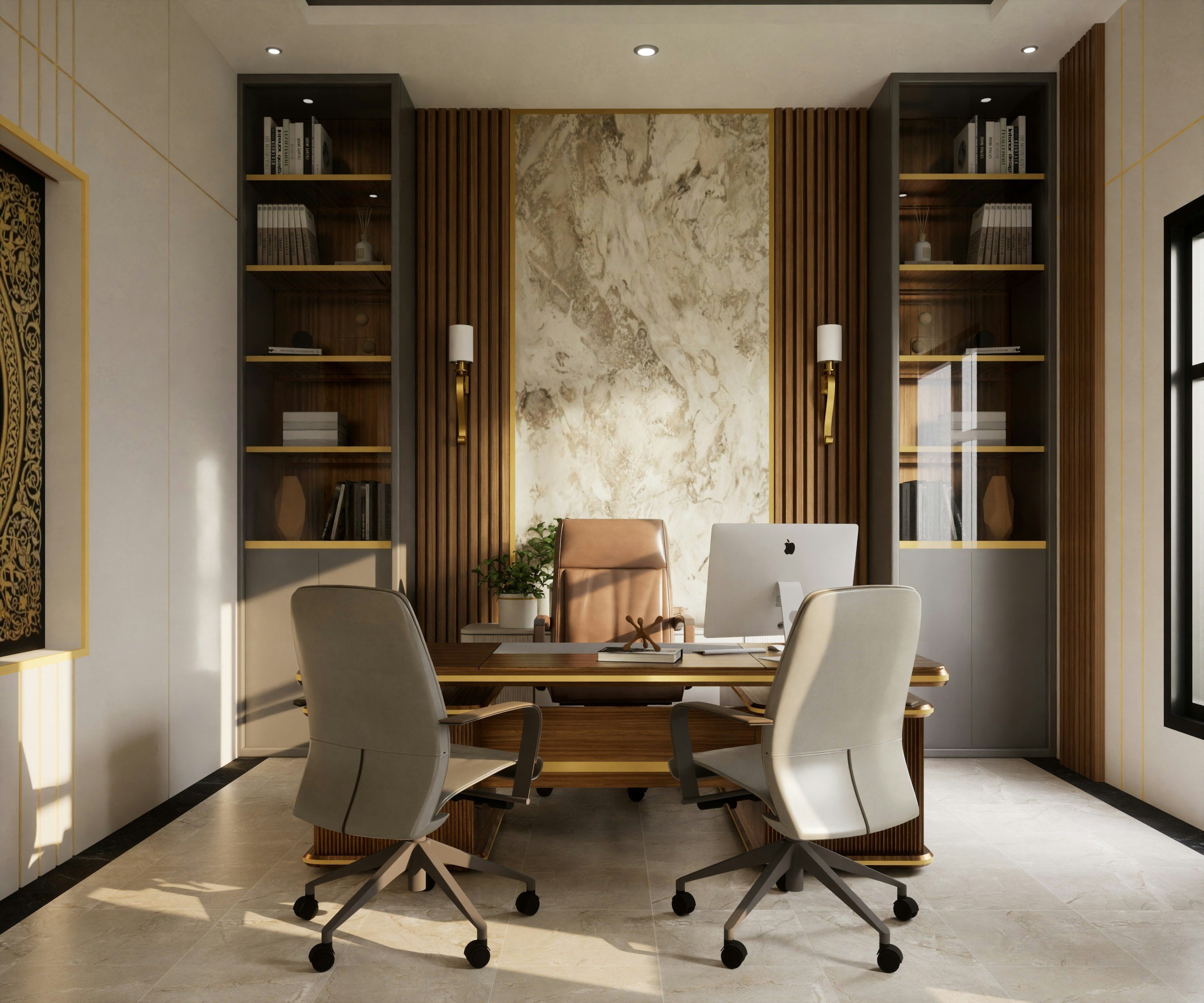
Physical spaces speak for a business long before a sales pitch starts. Investing in clean layouts, tough planters, and healthy greenery shows clients and staff that details count at every step. When an office feels calm, clear, and well cared for, brand trust grows with each visit.