
Tips for Making Your Office Space More Attractive and Functional
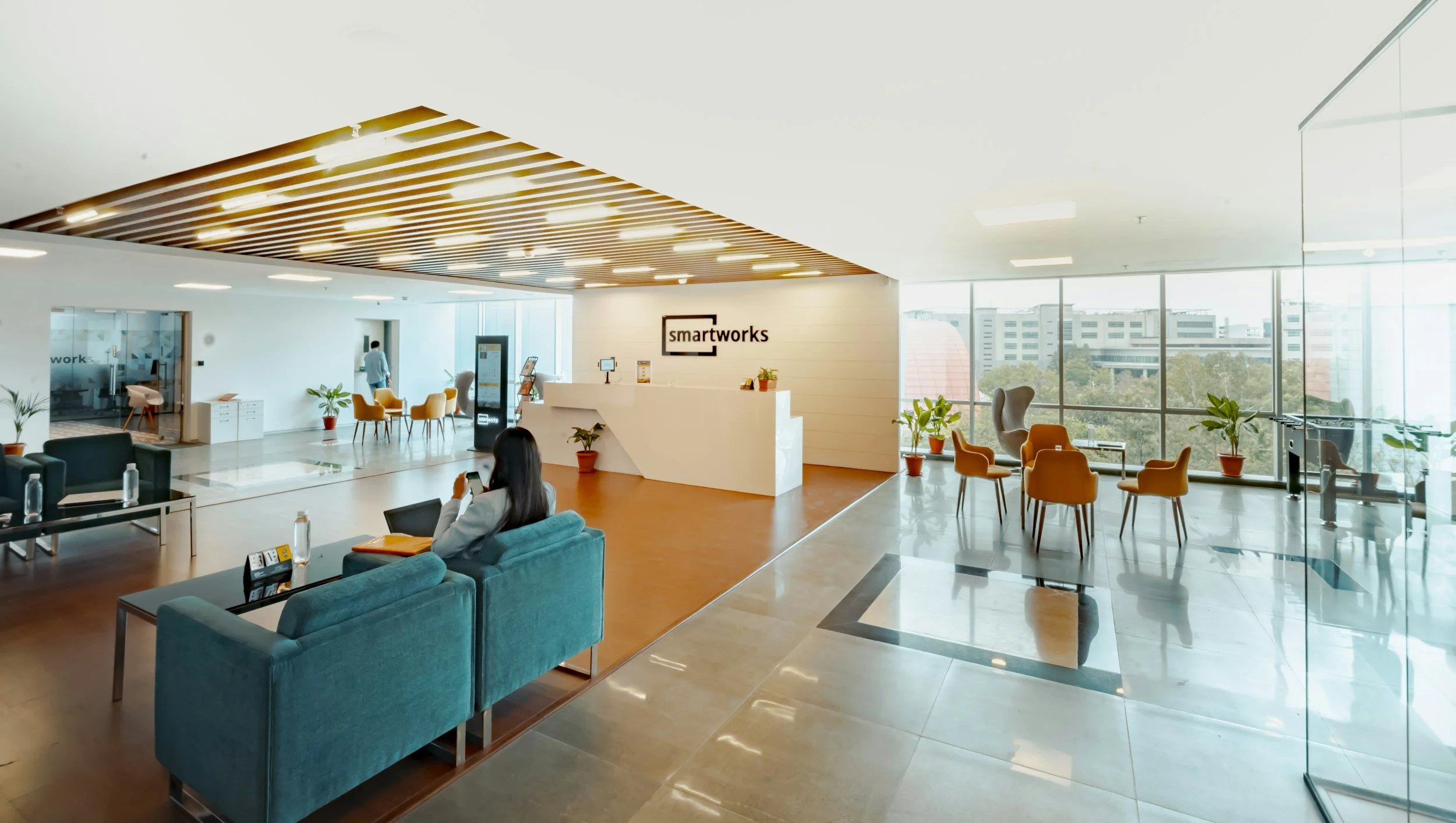
Designing an office space that is both attractive and functional is essential to fostering a productive work environment and ensuring employee well-being. A well-thought-out office layout can improve collaboration, reduce stress, and boost creativity.
Whether you’re redesigning an existing office or creating a new one, making smart design decisions can positively impact your team’s work performance. Here are some practical tips for making your office space more attractive and functional.
Key Design Elements to Focus On
Open Plan Layout: Open-plan spaces encourage communication and teamwork by eliminating barriers between employees. It’s perfect for collaboration but should be balanced with quiet zones for individual tasks.
Ergonomic Furniture: Adjustable desks and chairs promote comfort and reduce strain. Ergonomic furniture is essential for maintaining good posture and preventing discomfort during long work hours.
Natural Light: Maximize windows or glass partitions to let in natural light. Sunlight boosts mood, energy, and productivity while reducing eye strain caused by artificial lighting.
Indoor Plants: Greenery improves air quality and helps reduce stress. It can also add a refreshing touch to any commercial office building, making it feel more inviting and comfortable.
Quiet Zones: Designate soundproof areas for focused work, where employees can complete tasks without distractions, offering a balance between collaboration and privacy.
Designing your office with these elements ensures a functional and visually appealing space. For a smooth transformation, working with a commercial reinstatement expert ensures that your design meets functional requirements while complying with regulations. A well-thought-out layout encourages teamwork while also accommodating individual focus.
Personalize the Space
Allow employees to personalize their workstations. Personal items such as photos, plants, or artwork help employees feel more comfortable and connected to their workspace. Personalization can also boost morale and creativity. Adding a feature wall with vintage floral wallpaper can also soften an office and give the space a warm, welcoming character that inspires creativity.
However, it’s important to keep spaces tidy and organized to avoid distractions. Encourage employees to add meaningful touches that make their workspace feel their own, but not overcrowded.
This approach helps create an atmosphere of inclusivity and belonging, making employees feel more comfortable and motivated to work in their space. Personalization leads to a more positive work environment and can even encourage employees to be more productive.
Simplify the Décor
Minimalist décor is key to maintaining a clean, organized office environment. A clutter-free workspace promotes focus and reduces stress. Opt for neutral colors such as whites, grays, or light blues for a calm atmosphere.
Add occasional pops of color to energize the space, but avoid overwhelming it with excessive décor. Simple, functional furniture can also improve the office’s aesthetic while keeping things practical.
A minimalist design also allows flexibility as the office evolves. Whether it's adding new employees or changing the layout, simple décor ensures that the office remains adaptable and efficient.
Integrate Technology
Technology is central to modern workspaces. Provide employees with the tools they need to work efficiently, such as high-speed internet, charging stations, and modern devices like computers and printers. Consider incorporating smart office solutions, such as automated lighting, temperature control, and meeting room scheduling systems, to improve efficiency and reduce energy consumption.
In addition to these systems, ergonomic tech, such as adjustable desks with built-in technology, can also enhance comfort and productivity. Allowing employees to switch between sitting and standing while working supports better posture and overall health.
Incorporate Dedicated Presentation and Event Spaces
Modern offices are no longer limited to desks and meeting rooms—they often include dedicated areas for presentations, training sessions, and company-wide events. Designing these spaces thoughtfully can enhance communication, employee engagement, and knowledge sharing across teams.
When planning such areas, factors like layout, visibility, and audience comfort become essential to ensure a smooth and engaging experience. Incorporating well-designed auditorium seating plays a crucial role here, as it helps create structured layouts, improves visibility, and ensures comfort during longer sessions or large gatherings.
These spaces can also serve multiple purposes, from internal workshops to client presentations, making them a valuable addition that supports both collaboration and business growth over time.
Collaborative and Flexible Workspaces
Incorporating flexible spaces into the office design encourages creativity and enhances collaboration. Breakout areas and informal meeting rooms provide employees with places to meet, brainstorm, or collaborate outside of their individual workstations. These areas should be designed to spark creativity, with comfortable seating and open layouts that promote discussion.
In contrast, individual workstations or private offices should be available for employees who need quiet spaces to focus. Offering a variety of workspaces gives employees the freedom to choose the environment that best suits their tasks, whether it’s for collaboration or focused individual work. This flexibility ensures that the office can adapt to different working styles.
Integrating Wellness Features
The well-being of employees is crucial to workplace satisfaction and productivity. Consider including wellness features in your office design, such as a gym or quiet rooms for relaxation and stress relief.
Providing employees with a space to unwind can help them recharge and return to work feeling refreshed. And, incorporating wellness elements like standing desks, ergonomic chairs, and quiet meditation rooms can contribute to employee health and overall happiness.
Encouraging physical and mental health not only boosts employee morale but can also lead to increased productivity. When employees feel well-supported in their environment, they are more likely to perform at their best.
Encourage Social Interaction
While it’s important to provide quiet areas for individual focus, it’s equally essential to foster social interaction among employees. Spaces where employees can take breaks, such as lounge areas or kitchens, can encourage casual conversations and help build team camaraderie. These informal interactions can lead to increased creativity, collaboration, and a positive work culture.
Consider designing your office with spaces that promote relaxation and socializing, such as a communal kitchen area with comfortable seating or a breakroom with games and activities. This encourages employees to disconnect from their workstations and connect with each other, leading to better teamwork and stronger relationships within the company.
Focus on Acoustic Design
Office noise can be a major source of distraction, which is why acoustic design should be a priority. Incorporating materials that absorb sound can help reduce distractions and improve concentration. Consider installing acoustic panels, carpets, and partitions to minimize noise in open-plan areas.
In addition to reducing noise, acoustic elements can also enhance the office’s overall aesthetic. Choose stylish, functional acoustic solutions that blend seamlessly with the décor, ensuring the office remains visually appealing while offering a more productive work environment.
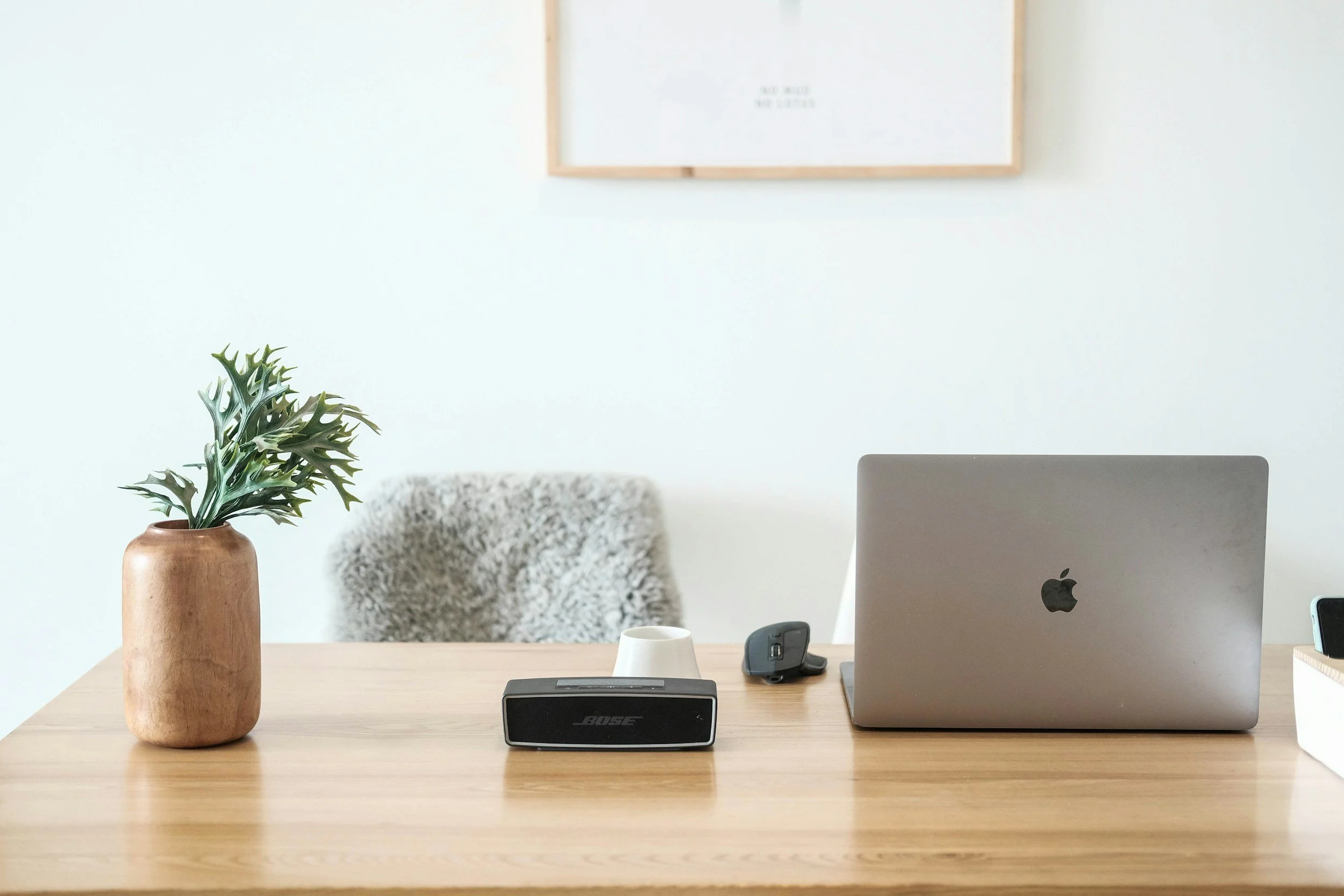
To sum it up, creating an office space that is both attractive and functional is a balancing act. It requires careful attention to the layout, furniture, lighting, and other elements that contribute to a comfortable and productive environment.
By focusing on an open plan layout, ergonomic furniture, natural light, and personalized spaces, you can enhance the aesthetics and functionality of your office. Thank you for reading!