
Why Food Prices Feel Unstable And What That Means For Service-Based Businesses
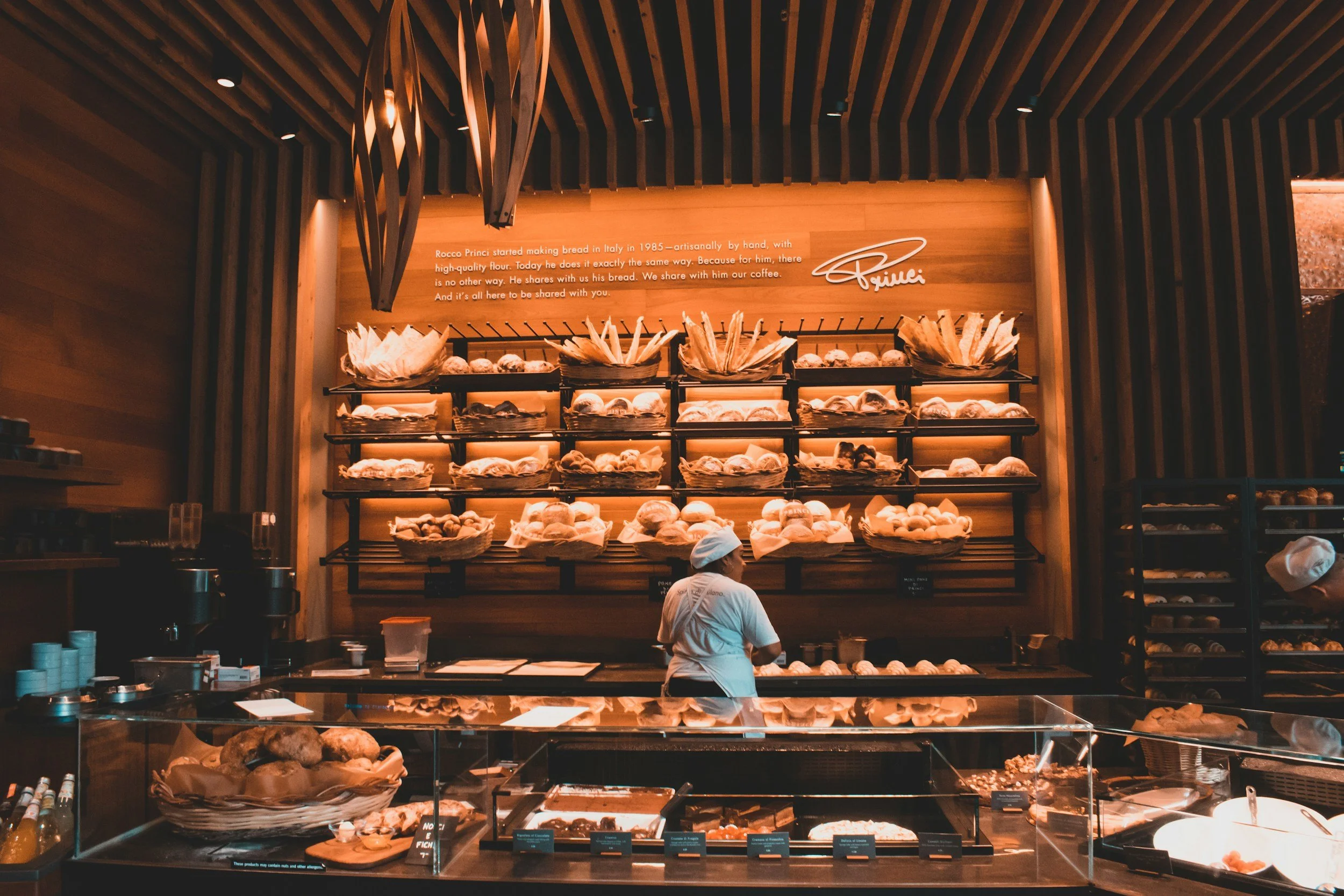
Food prices have become harder to predict, and that instability affects far more than grocery shoppers. For service-based businesses, including restaurants, caterers, childcare centers, healthcare providers, and hospitality operators, food costs are a recurring operational expense that directly influences pricing, margins, and client expectations. Increased volatility creates planning challenges, especially for smaller organizations with limited purchasing power and thinner buffers. Knowing what drives these swings helps business owners respond with clarity rather than reaction.
What Price Volatility Actually Looks Like
Food price volatility refers to frequent and sometimes sharp changes in the cost of food over relatively short periods. Instead of gradual increases tied to inflation, businesses may see prices rise, fall, and rise again within a single quarter. Staples such as grains, dairy, meat, cooking oils, and produce are all subject to these shifts.
For service-based businesses, volatility complicates budgeting. Monthly forecasts become less reliable, and fixed-price contracts or packages carry more risk. Even modest swings can add up when food purchases are consistent and high volume.
Agricultural Inputs and Climate Pressure
One major driver of food price volatility is variability in agricultural production. Weather patterns have become less predictable, affecting crop yields and livestock conditions. Droughts, floods, heat waves, and unseasonal frosts can reduce supply quickly, pushing prices upward.
Input costs also matter. Fertilizers, animal feed, water access, and labor all influence food pricing. When these inputs fluctuate, producers pass costs through the supply chain. Small businesses often feel the impact later than large buyers, but with fewer options to offset increases.
Energy Costs and Food Pricing
Energy is embedded in nearly every stage of food production and distribution. Fuel powers farm equipment, irrigation systems, processing facilities, refrigeration, and transportation. When energy prices rise or swing unpredictably, food prices tend to follow.
Some producers and distributors attempt to stabilize exposure through tools such as renewable energy hedging, which can limit long-term energy cost swings. However, these strategies are less accessible to smaller suppliers, meaning volatility still reaches end buyers. For service-based businesses, energy-driven food price changes often arrive with little warning.
Global Supply Chains and Trade Dynamics
Food supply chains are global, even for products that appear local. Ingredients, packaging, equipment, and feed often cross borders multiple times before reaching consumers. Disruptions such as port congestion, geopolitical tensions, or regulatory changes can interrupt flow and alter pricing quickly.
Trade policies also influence costs. Tariffs, export restrictions, and shifting trade agreements affect availability and price stability. Small businesses typically lack the leverage to negotiate around these factors, making them price takers rather than price setters.
Labor Constraints Across the System
Labor shortages across agriculture, processing, transportation, and food service contribute to volatility. When producers struggle to staff operations, output slows, and costs rise. Higher wages at any point in the chain influence final pricing.
Service-based businesses face labor challenges of their own, which compounds the issue. Rising food costs paired with rising wages squeeze margins from multiple directions, leaving little room for error.
Consumer Demand Shifts
Demand patterns also play a role. Changes in consumer behavior, whether driven by economic conditions, health trends, or cultural shifts, can alter which foods are in demand. Sudden increases in popularity for certain products strain supply and raise prices.
For businesses offering food as part of a service, such as wellness centers or hospitality providers, demand shifts may require menu or offering adjustments. These changes often happen faster than pricing models can adapt.
The Impact on Service-Based Business Models
Unlike retailers that can adjust prices frequently, many service-based businesses operate with fixed pricing structures. Meal plans, event packages, and subscription services are often sold weeks or months in advance. Volatile food prices increase the risk that costs will exceed projections.
This uncertainty affects cash flow, contract terms, and client communication. Businesses may hesitate to expand offerings or invest in growth when input costs feel unstable. Over time, volatility can influence strategic decisions far beyond the food budget.
Practical Responses for Small Businesses
While volatility cannot be controlled, it can be managed. Many service-based businesses are revisiting supplier relationships to improve transparency and flexibility. Shorter contracts, diversified sourcing, and clearer pricing terms help reduce surprise increases.
Menu and offering flexibility also matter. Designing services that allow ingredient substitutions or seasonal adjustments provides room to respond to price changes without compromising quality. Clear communication with clients about variability builds trust and sets realistic expectations.
Inventory management plays a role as well. Overbuying during price spikes can lock in high costs, while underbuying risks shortages. Striking a balance requires closer monitoring and more frequent adjustments, so while it can be good to buy, for example, bulk almonds so that you get the best price, you should never order so many that you cannot sell them before they perish.
Long-Term Planning in an Unstable Environment
Food price volatility is likely to remain a feature of the economic landscape rather than a temporary disruption. Climate trends, energy transitions, and global trade shifts point toward continued variability. For small businesses, resilience comes from adaptability rather than prediction.
Investing in systems that support flexible pricing, responsive purchasing, and regular financial review helps reduce stress during volatile periods. Businesses that treat food costs as a dynamic variable rather than a fixed expense are better positioned to maintain stability.
Food prices influence more than menus or supply lists. They shape margins, customer experience, and long-term viability for service-based businesses. By recognizing the forces behind volatility and adjusting operational habits accordingly, business owners can respond with confidence and maintain control even when prices refuse to sit still. To learn more, look over the infographic below.

Why Food Prices Feel Unstable and What That Means for Service-Based Businesses