
How Product-Based Businesses Can Scale Production Without Losing Quality
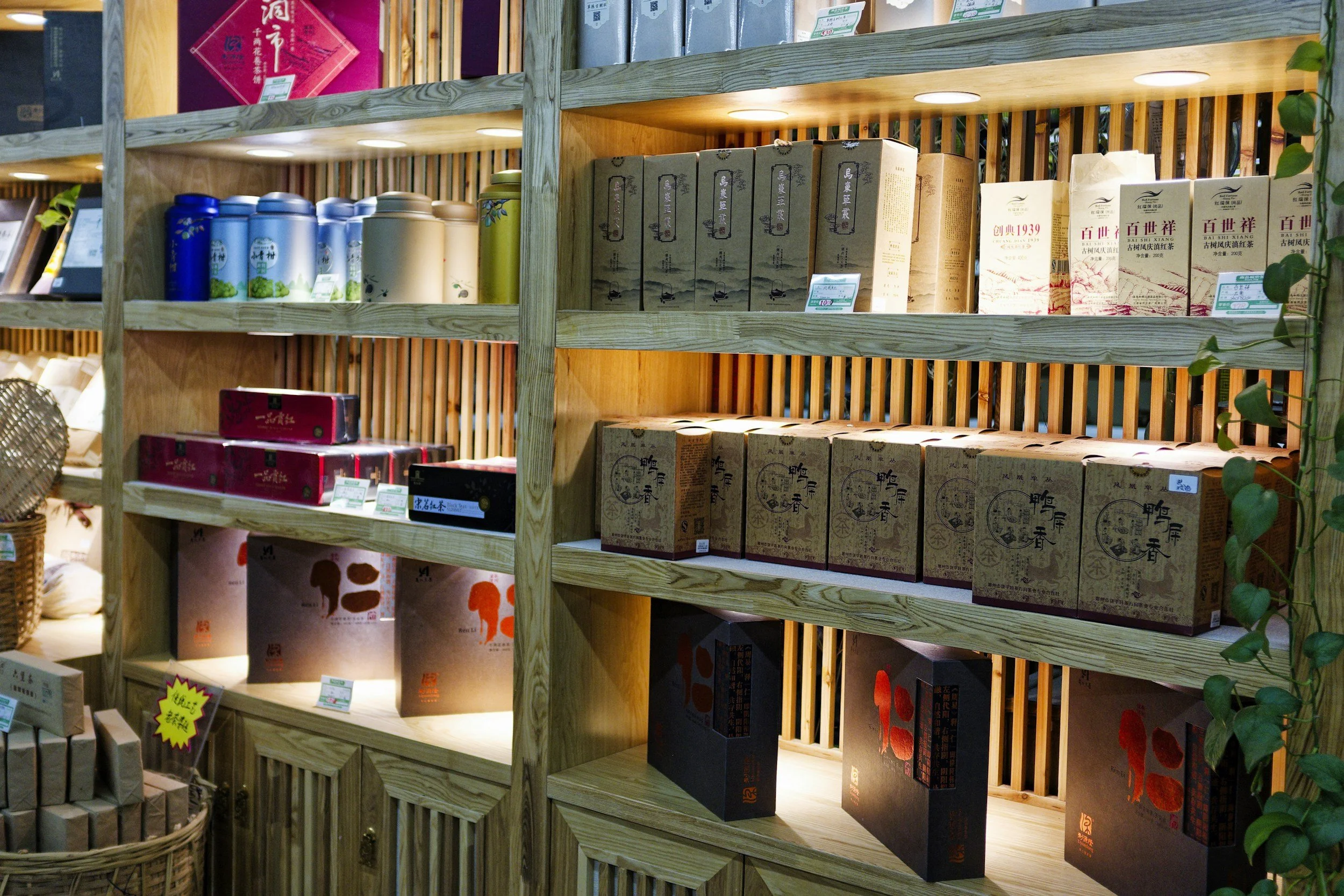
Growth feels exciting, but it also brings pressure. When orders increase, production systems get stretched, and even small inconsistencies start to show. Many product-based businesses face the same challenge: scaling fast enough to meet demand without letting quality slip. It becomes a balancing act between efficiency, customer expectations, and long-term reputation.
If you’ve felt this tension, you’re not alone. Every growing brand reaches a point where hand-built routines stop working. That’s when smarter systems, better tools, and stronger processes become essential.
In this article, you’ll explore practical ways to scale production, keep your standards intact, and build a business that grows without losing its identity.
1. Strengthen Core Production Processes
Scaling begins with clarity. When processes are loose or undocumented, growth amplifies the chaos. Simple habits—like writing down steps, standardizing batches, and training your team on consistent routines—make a huge difference.
Clear processes help every product look, feel, and perform the same way, even when volume increases. They also reduce rework and cut down on errors, which saves time and money during busy seasons.
A structured workflow also removes guesswork for new team members. When instructions are simple and repeatable, training becomes smoother. This reduces early mistakes and keeps quality steady across shifts.
Businesses that take time to refine small steps often see big improvements in speed and consistency later.
2. Invest in the Right Equipment Early
Before orders spike, upgrading equipment prevents bottlenecks and protects consistency.
As businesses grow, manual steps start slowing everything down. That’s when strategic equipment upgrades matter. Small improvements—automated mixers, sealing tools, or filling machines—can stabilize production and keep quality steady.
This is also where automated systems become valuable, especially for brands working with bottled beverages, wellness drinks, or liquid products. Many manufacturers rely on a water filling line to produce consistent, hygienic, and high-volume batches. Trusted suppliers like Sinopak Machinery design filling equipment that keeps each unit measured, sealed, and handled with precision.
This type of upgrade helps businesses boost output without overworking their team or risking product variability. Choosing the right equipment early creates smoother workflows and reduces stress during high-demand seasons.
3. Build a System for Quality Control
Quality control should strengthen as production increases—not fade away. Scaling brings new risks: rushed batches, new staff, new suppliers, and faster timelines. A reliable QC system helps catch issues before they reach customers.
Your approach can include:
Raw material inspections
Mid-production checks
Final product sampling
Batch documentation
Tracking common defects
These steps reveal patterns. Maybe a certain ingredient varies between suppliers. Maybe one shift seals packages differently. Maybe temperature changes affect consistency. Quality control turns those observations into improvements. A strong QC routine protects your brand and keeps customers confident as you grow.
4. Strengthen Supplier Partnerships
Your production is only as strong as your supply chain. When ingredients or components arrive late, production slows. When quality drops, your product changes—even if your internal processes are perfect.
This is why long-term supplier relationships matter. Reliable partners support consistency, respond quickly, and help you navigate shortages or delays.
Strong supplier partnerships also give you access to better materials and stable pricing. For product-based businesses, this stability makes forecasting easier and reduces the pressure during seasonal spikes.
As you scale, your suppliers become part of your growth story. Choosing dependable ones protects your reputation in ways customers never see but always feel.
5. Train and Upskill Your Production Team
People shape the heart of your product. Their hands, focus, and confidence influence every unit you create. When production expands, your team needs support—not stress.
Training helps them adapt to new tools, faster workflows, and changing expectations. Cross-training is especially helpful. It allows team members to switch roles during busy periods without slowing production.
Upskilling also builds morale. When people feel competent and valued, they take more care in their work. This naturally reflects in the quality of your products.
A skilled team is one of the most powerful assets you have during growth.
6. Use Data to Improve Efficiency
Data doesn’t need to be complicated. You don’t need big software, dashboards, or automation to begin. Even simple spreadsheets can reveal valuable insights.
You should be tracking:
Production time per batch
Material usage
Common bottlenecks
Defect frequency
Order delays
Patterns emerge quickly. Maybe certain steps always slow down the team. Maybe a specific tool causes waste. Maybe a seasonal trend creates predictable spikes. When you see the problem, you can fix it. Data helps you scale with intention, not guesswork.
7. Scale Slowly and Test Frequently
Fast scaling looks impressive but carries risk. Slow, steady expansion protects your product, your team, and your processes. Start with small increases. Run pilot batches. Gather customer feedback. Improve your workflow before committing to full-scale changes.
This approach prevents costly mistakes. It also helps you learn how new equipment, new team members, or new suppliers affect your product. Testing keeps growth grounded and controlled, which leads to healthier long-term scaling.
Conclusion
Scaling doesn’t mean sacrificing quality. With the right systems, thoughtful upgrades, and steady processes, a product-based business can grow while still protecting the heart of what makes it special. When you combine strong workflows, reliable equipment, and a well-trained team, growth becomes less overwhelming and more strategic.
Quality becomes a constant, no matter how big your production line becomes. And when your business scales with intention, you build not just capacity but customer trust that lasts for years.