

Walking away from a traditional 9-to-5 paycheck and betting on yourself can be one of the best decisions a woman can make. You become your own boss with full control of your schedule, goals, and priorities. Yet, it also comes with some practical difficulties that need to be considered.
You no longer have health insurance that you might have received from an employer, which makes insurance important. In this article, let’s find out what every self-employed woman needs to know about health insurance to avoid stressing about coverage and coverage gaps.
The Core Coverage Options for the Growing Wave of Female Entrepreneurs
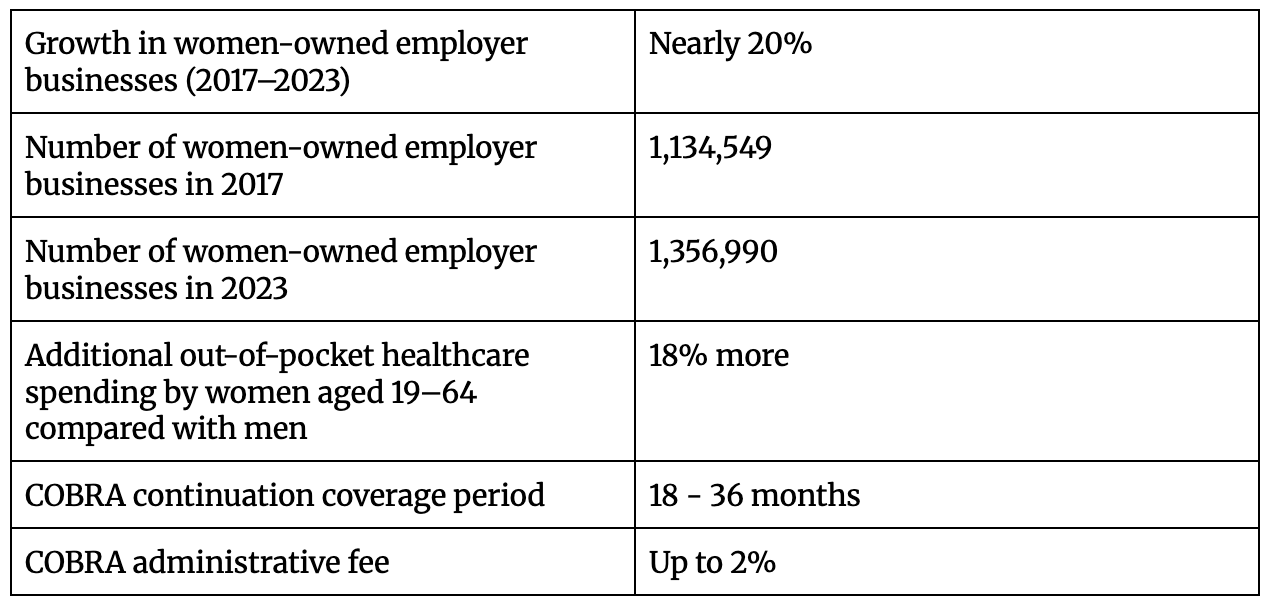
Having good coverage is becoming even more important these days, given the growth of women who are starting their own businesses. Data from the U.S. Census Bureau showed that the number of women-owned, employer businesses grew nearly 20% from 2017 to 2023. Specifically, it went from 1,134,549 to 1,356,990. Even the number of veteran- and minority-run businesses in this group increased as well.
Yet, business ownership is an endeavor that involves inherent risk, and a lack of coverage can be particularly problematic if things go south. In that context, let’s look at some reliable coverage options.
ACA Marketplace Plans
This is a great option that offers guaranteed coverage for people with pre-existing conditions. You also enjoy essential health benefits, along with income-based tax subsidies. On the flip side, they tend to have a smaller range of local networks and higher unsubsidized premiums.
Private Health Insurance
These offer broader Preferred Provider Organization (PPO) networks in addition to flexible plan structures. This makes them popular among people for whom budget isn’t a limiting factor. Their main drawbacks are the lack of federal subsidies and potential medical underwriting.
COBRA Continuation Coverage
This coverage gives you seamless continuity of your previous corporate plan as well as your doctors for up to 18 months. In some scenarios, this can extend to 36 months. This is highly valued by many, but it comes at a high cost, as you are required to pay 100% of the premium as well as an administrative fee of up to 2%.
Spousal Coverage
This tends to be the easiest, most affordable, and administratively simple option. The only drawback is that it’s tied to factors like your partner’s open enrollment window, qualifying life events, and potentially high dependent premiums.
How Independent Brokers Can Help
While there are plenty of coverage options, many self-employed women aren’t sure which one is the best fit. This is where independent brokers can be quite helpful.
For entrepreneurs who would rather not navigate health insurance options alone, independent brokers can help simplify the process. New York-based Life143, for example, works with individuals and self-employed professionals to compare coverage options based on their healthcare needs and budgets. This is all the more important when you consider that women spend significantly more on healthcare.
As the American Medical Women’s Association notes, women aged between 19 and 64 spend about 18% more out-of-pocket on healthcare than men. This was true even when maternity care was excluded.
It highlights that despite the Affordable Care Act not permitting higher insurance premiums for women, gaps still remain in terms of infertility treatments, IVF, contraceptives, and other reproductive healthcare services. Some women also face substantial copays and prior authorization requirements.
Dealing With Higher Out-Of-Pocket Costs and Coverage Gaps
Women often face a range of additional challenges that lead to unnecessary costs and gaps. A surprisingly common source of these is billing errors. Jackie Fortier, a reporter with NPR, covered the topic of what to do when health insurance denies coverage. In the context of routine, preventive tests like mammograms, what happens if you still get billed for it?
As Fortier explains, if a procedure met the preventive guidelines and was done by a network provider, it should be covered 100%. You can be billed by accident, but it’s something you can appeal and win.
The fact is that federal guidelines mandate that ACA-compliant plans should cover standard preventive services, but billing mistakes haven’t disappeared from the industry. Similarly, maternity care is another factor that leads to higher out-of-pocket expenses. Even if prenatal checkups are covered, ultrasounds, blood panels, and anesthesia tend to trigger deductibles and coinsurance.
Similarly, ongoing healthcare can be a silent factor at play because they affect your monthly cash flow. Living with chronic conditions where regular specialist visits are needed can be brutal on finances. Thus, one needs to actively audit all medical bills, appeal wrongful denials, and plan ahead for predictable care expenses.
Frequently Asked Questions
Can self-employed women deduct health insurance premiums from their taxes?
Yes. In the US, self-employed individuals may qualify for a tax deduction covering health insurance premiums paid for themselves, their spouse, and dependents. However, eligibility depends on factors such as business income and access to other employer-sponsored coverage. A tax professional can help determine what applies.
What happens to health insurance if you become pregnant while self-employed?
If you have an ACA-compliant health insurance plan, pregnancy and maternity care are generally covered as essential health benefits. However, costs can still vary depending on deductibles, coinsurance, and provider networks. It's worth reviewing maternity benefits before choosing a plan, particularly if you are planning a family.
How much should a self-employed woman budget for health insurance?
There isn't a universal figure because premiums depend on your age, location, income, household size, and chosen level of coverage. Marketplace subsidies can significantly reduce monthly costs for eligible individuals. When budgeting, remember to account for deductibles, copays, prescription expenses, and other out-of-pocket costs as well.
Key Numbers & Facts at a Glance
Regardless of what your endeavors are, we’re sure they involve hard work, effort, and smart decision-making. You should thus treat healthcare with that same level of intention. No one expects you to know everything about insurance overnight, but you have to start somewhere.
Mistakes when choosing insurance can make life difficult at the worst times. Thus, keep learning about your options, speak to experts, and choose the right policy to give yourself peace of mind.