
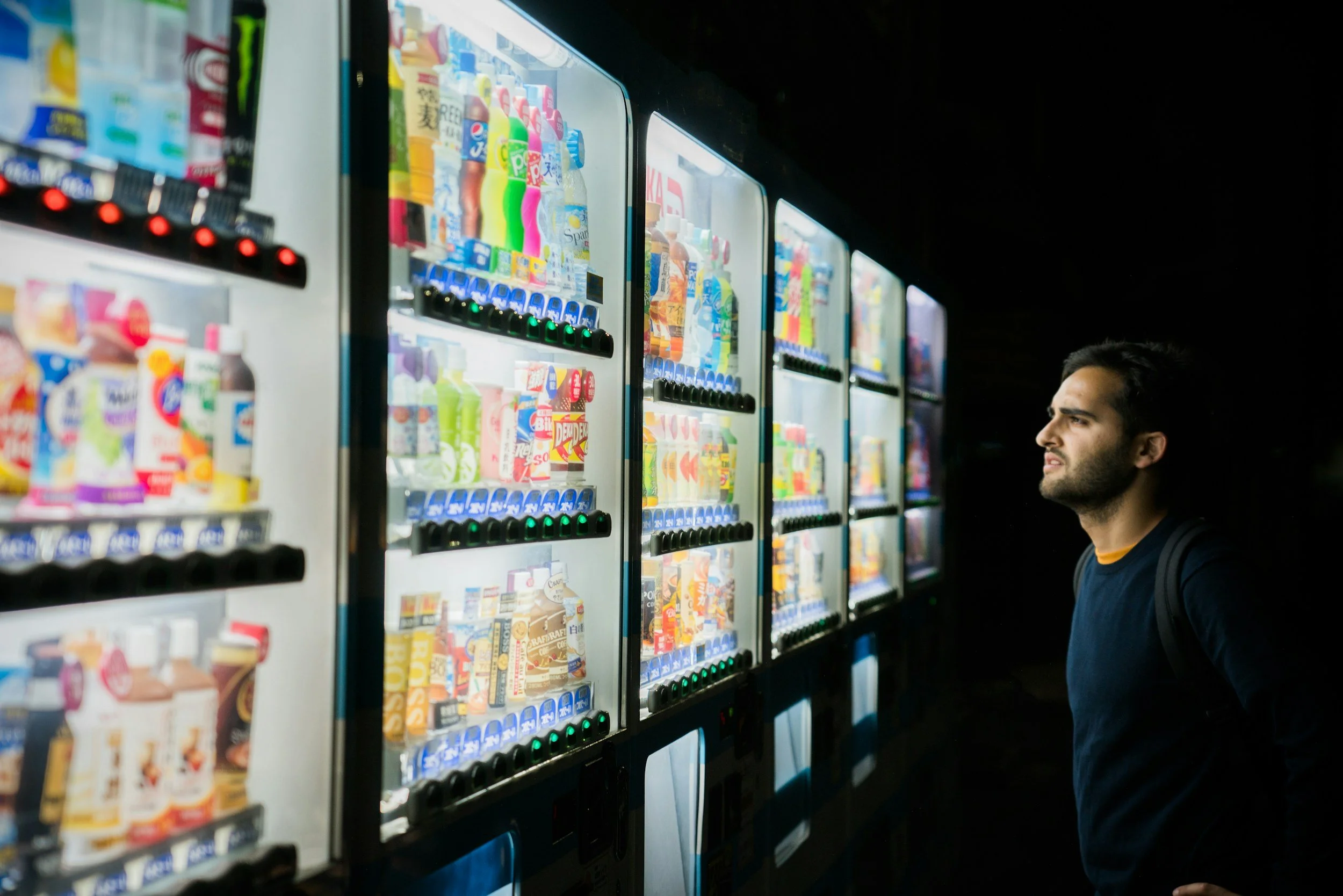
Have you ever considered how a vending machine placed in an office lobby, neighborhood gym, hospital waiting room, or apartment complex can become the starting point of a profitable small business? Vending machines provide convenient access to everyday products while giving business owners an opportunity to build a retail operation without managing a traditional storefront. With the right planning, even a single machine can help you understand customer demand, develop reliable operations, and identify opportunities for expansion.
However, starting a vending machine business involves more than purchasing equipment and filling it with products. You need to understand your target customers, identify suitable locations, calculate operating expenses, and establish a reliable restocking and maintenance routine. The type of machine you choose, the products you offer, and the agreements you make with property owners can all influence how well your business performs.
Whether you plan to operate a single machine or eventually manage several locations, having a clear strategy from the beginning can help you avoid unnecessary expenses and make better business decisions. This guide explores how to plan, launch, manage, and gradually expand a vending machine business while keeping long-term growth in mind.
Why Vending Appeals to New Owners
Vending is a small-business model that one person can run. The U.S. Census Bureau reports that 78.4% of all U.S. establishments in 2023 were nonemployer businesses, meaning they had no paid employees. Keep the limits in mind: the figure counts establishments, not firms, covers all industries and says nothing about vending specifically or about how profitable any business is.
Still, it shows that solo-run businesses are common. Vending fits that pattern because you can start with one or a few machines and add more only when the first ones prove themselves.
Build a Simple Plan First
Before buying anything, write a one-page plan. It should answer practical questions, not predict a fortune. Include:
How much money you can invest without straining your finances
What machines, products and locations you want to start with
Ongoing costs such as restocking, fuel, payment fees and repairs
How many hours per week you can realistically spend
Be cautious with any revenue claims you see online, since results vary widely by site, product and season. A plan built on conservative numbers keeps your decisions grounded.
Check Licenses, Permits and Insurance
Rules differ by city, county and state. You may need a business registration, a sales tax permit and, for some food products, a health or food-handling permit. Insurance for your machines and products is also worth discussing with an agent.
Your local city or county office and your state’s business website are good starting points. Ask what applies to your products and machine types before you buy, so there are no surprises after setup.
Choose Products and a Machine That Fit Your Market
Your product selection should reflect the people who will actually use your vending machine. A machine placed in an office break room may perform well with bottled water, coffee, chips, and convenient snacks. A gym, on the other hand, may have more demand for protein bars, electrolyte drinks, healthier snack options, and other fitness-related products.
Before finalizing your inventory, consider the following factors:
Customer preferences: Understand what people in the location are likely to purchase during the day.
Product shelf life: Choose products that can be stored safely and are less likely to expire before they sell.
Purchase frequency: Everyday essentials and frequently consumed products may encourage repeat purchases.
Selling price: Make sure your prices cover product costs, operating expenses, and any location fees while remaining reasonable for customers.
Product variety: Offer enough options to serve different preferences without investing too heavily in slow-moving inventory.
Once you have a better understanding of your target market, you can compare equipment that supports your product range and business requirements.
When evaluating a vending machine, consider its capacity, payment technology, refrigeration requirements, durability, and ease of maintenance. VMFS USA, a Miami-based seller, offers new and configurable machines, along with a request form that helps buyers specify their business type, product requirements, machine quantity, and budget.
Rather than selecting equipment based only on its appearance or advertised features, compare different options and consider how each machine will perform in your intended location.
Before making a purchase, ask suppliers:
Does the machine accept credit cards, debit cards, and mobile payments?
What warranty coverage is included, and how are repair requests handled?
Are replacement parts readily available?
Is the machine suitable for the products you intend to sell?
Are delivery, installation, and setup included in the purchase price?
Choosing equipment that matches your business needs can make daily operations easier and reduce the likelihood of unexpected maintenance expenses.
Find Locations That Bring Steady Traffic
A good machine in a poor spot will struggle. Look for places with steady foot traffic and few nearby options, such as offices, schools, apartment buildings, gyms and healthcare facilities.
Visit at different times of day, and talk to the manager about what people currently do for snacks and drinks. Be ready to explain what you offer, how often you will restock and how you will handle problems. A clear, professional approach makes it easier to get a yes.
Run Operations With a Simple Routine
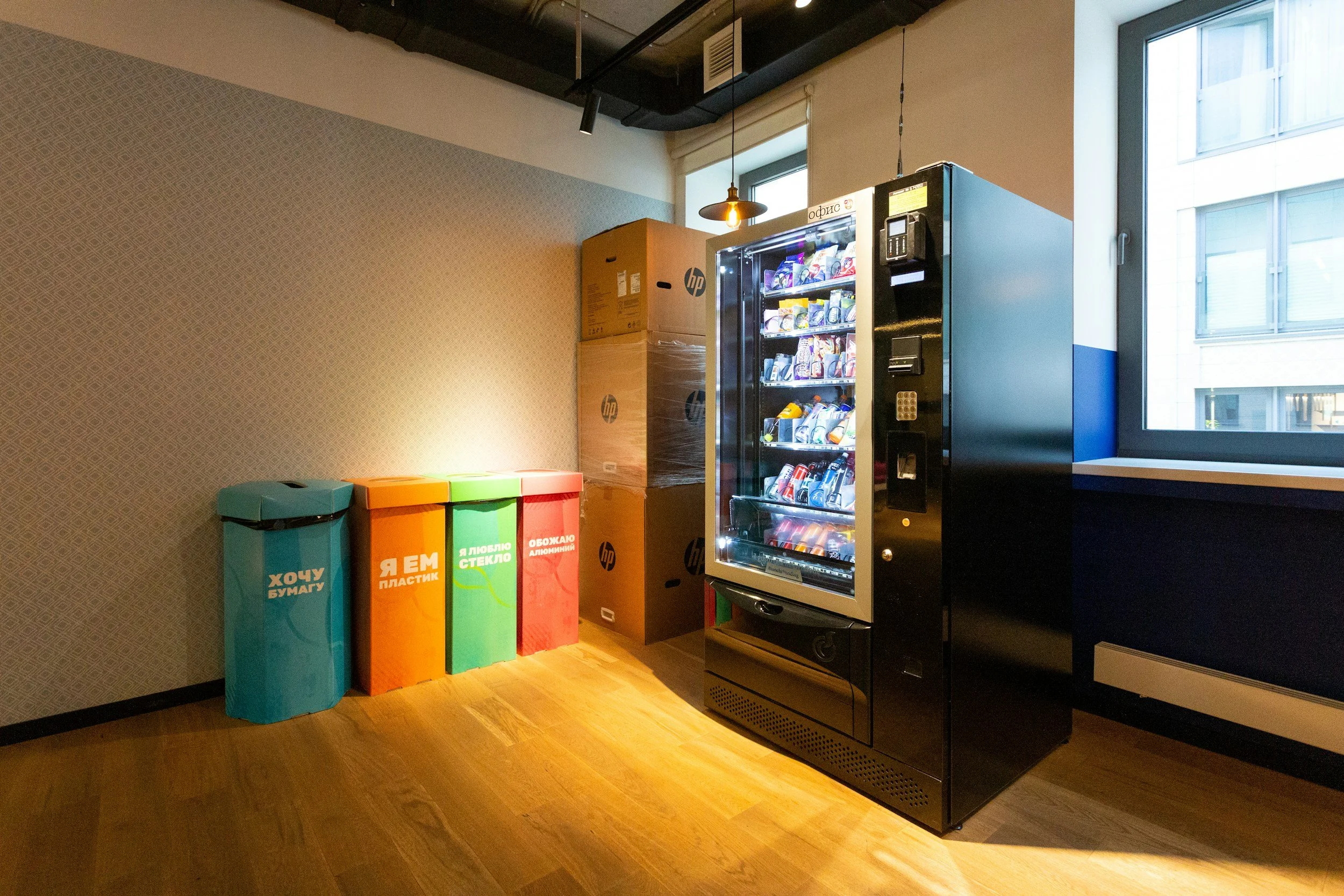
Consistent maintenance and regular inventory checks help keep vending machines reliable and customers satisfied. Set a restocking schedule based on sales, keep machines clean, and monitor expiration dates to avoid waste. Review sales data regularly to identify popular products, replace slow-moving items, and adjust stock to match customer preferences.
Track these key numbers each month:
Sales performance: Revenue by machine and individual product.
Inventory costs: Product expenses, expired items, and spoilage.
Operating time: Travel, restocking, and routine maintenance hours.
Additional expenses: Repairs, location fees, and payment processing charges.
Reviewing these figures helps you identify where money is being spent and which machines perform best. Small, consistent adjustments to inventory and servicing schedules can improve efficiency and profitability over time.
Grow One Step at a Time
A smart growth strategy takes patience and careful planning. Instead of rushing to expand, focus on building a reliable operation first. Follow these steps:
Prove the first location: Track sales and customer preferences to understand which products perform best.
Fix weak spots: Adjust product selection, pricing, or machine placement based on actual results.
Add a second machine: Choose a nearby location to reduce travel time and simplify restocking.
Document your routine: Create a clear process for inventory checks, restocking, cleaning, and maintenance.
Reinvest carefully: Use profits to expand only when your cash flow can support the additional costs.
The goal is to grow at a sustainable pace. Each new location should improve your business's earning potential without creating unnecessary complexity or stretching your resources too thin.
Conclusion
Starting a vending machine business is about steady choices more than quick wins. Build a simple plan, confirm local permits, choose a machine and products that fit your audience, find locations with real foot traffic and keep a reliable routine. Then grow one machine at a time, using your own numbers to guide each decision. With patience and good habits, a small operation can become a solid business that you understand and control.