
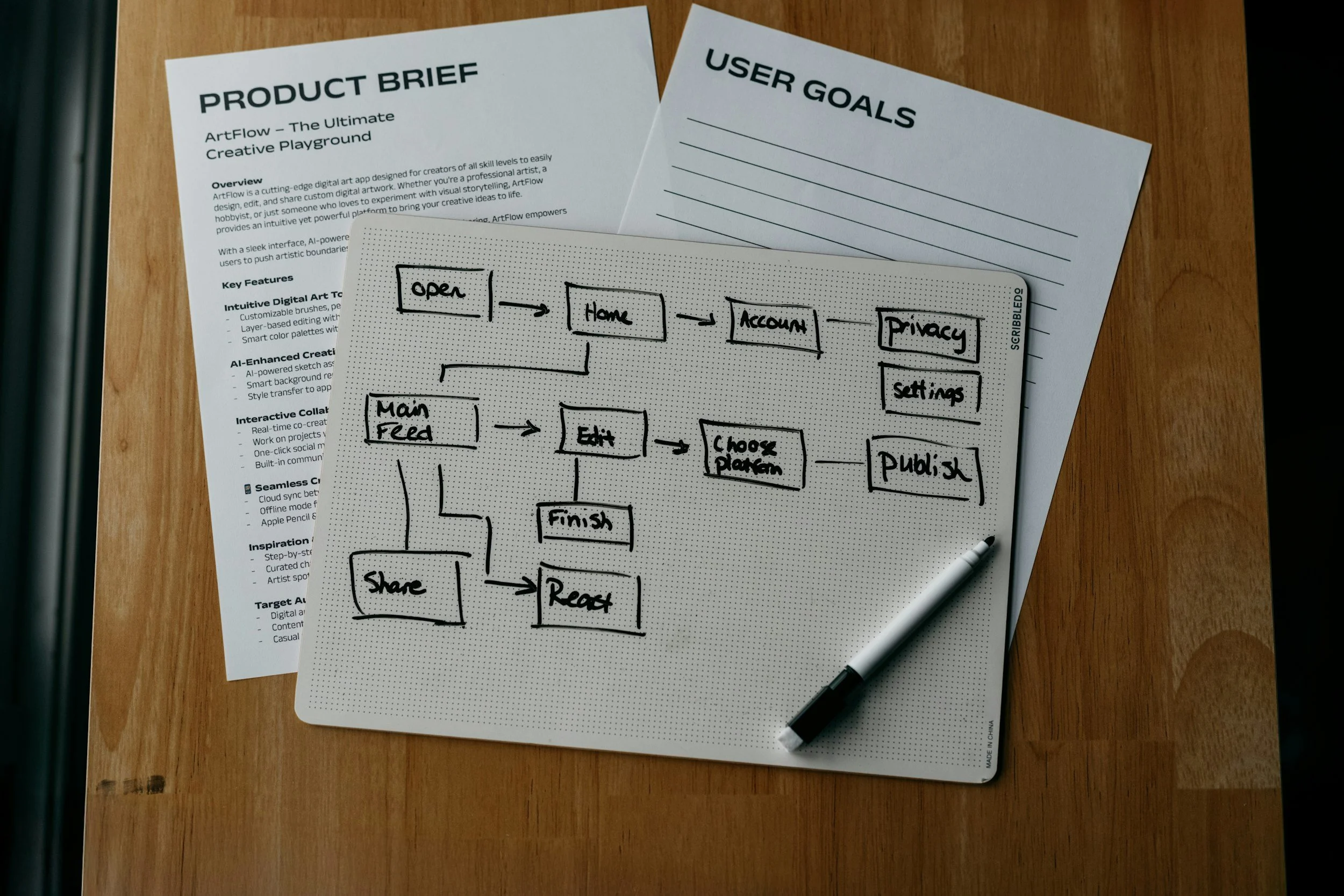
A lead generation strategy can work well when a business is small and still break down as demand increases. Founders often start by handling inquiries manually, tracking prospects in spreadsheets, and relying heavily on one marketing channel. That may be manageable with 20 leads a month. It becomes much harder with 200.
Scalable lead generation requires more than increasing advertising spend. The entire system, from targeting and acquisition to qualification, follow-up, and measurement, needs to handle additional volume without costs or workload increasing at the same rate.
Define What a Qualified Lead Actually Looks Like
Generating more leads is not useful if most of them are unlikely to become customers.
Start by defining the characteristics of a qualified prospect. These might include industry, location, company size, budget, urgency, specific needs, or decision-making authority.
Review previous customers to find patterns. Which leads converted quickly? Which generated the highest lifetime value? Which consumed large amounts of sales time but rarely purchased?
Turn those findings into documented qualification criteria. Marketing and sales should use the same definition so campaigns are not optimized for lead volume while the sales team measures success by closed revenue.
Build Around More Than One Acquisition Channel
A business that relies entirely on one channel becomes vulnerable to algorithm changes, rising advertising costs, or shifts in customer behavior.
A stronger system combines channels that serve different stages of the buying process. Depending on the business, these could include:
Organic search and educational content
Paid search
Email marketing
Referral programs
Social media
Partnerships and affiliates
Direct outreach
Do not launch every channel simultaneously. Build one or two until they produce measurable results, document the process, then add another source.
This makes it easier to understand what is actually driving growth.
Use Paid Acquisition Where Buyer Intent Is Clear
Paid search can be particularly useful when potential customers actively search for a solution.
For example, businesses in highly competitive homeowner or real estate markets may work with specialist agencies such as PPC Force to build campaigns around high-intent searches, landing pages, conversion tracking, and lead quality rather than simply purchasing more traffic.
The same principle applies in other industries. Paid campaigns should target searches that indicate a genuine business need, then send visitors to a page designed around that specific intent.
Avoid sending every advertisement to the homepage. A focused landing page should explain the offer, address major objections, provide proof, and give visitors one obvious next step.
Create a Repeatable Conversion Process
Traffic does not become revenue automatically.
Every acquisition channel should connect to a defined conversion path. A visitor might complete a form, schedule a consultation, request a quote, download a resource, or start a trial.
Keep forms proportional to the commitment. Someone requesting a simple resource should not need to answer 15 questions, while a high-value consultation may justify collecting more qualification information.
Once a lead enters the system, determine what happens next.
Set Clear Follow-Up Rules
Define:
Who receives each lead
How quickly someone responds
Which leads receive automated emails
When sales should call
When an inactive prospect enters a nurture sequence
When a lead should be disqualified
Without those rules, increasing lead volume can actually reduce conversion rates because sales teams become slower and less consistent.
Track the Entire Funnel
Cost per lead is useful, but it is not enough to judge whether a campaign can scale.
A channel producing $30 leads may look better than one producing $70 leads. If the cheaper leads rarely become customers, however, the more expensive channel may generate significantly more profit.
Track performance through the funnel:
Visitors
Leads
Qualified leads
Meetings or consultations
Opportunities
Customers
Revenue
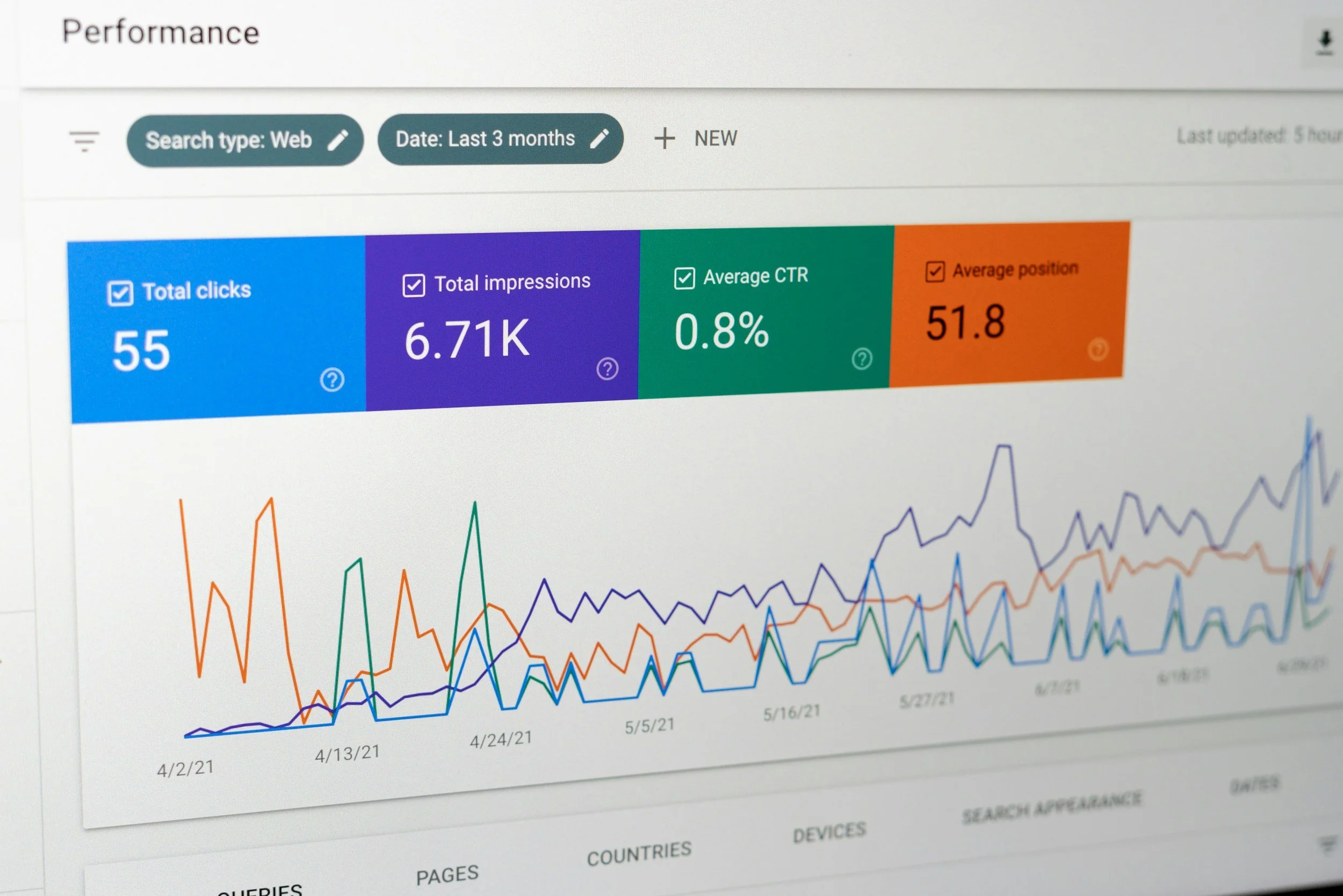
Google Ads provides conversion tracking specifically to show how ad interactions lead to valuable actions such as phone calls, sign-ups, and leads. That data can also identify which ads and keywords generate useful results.
Where possible, connect marketing platforms to CRM and sales data so campaigns can eventually be evaluated against actual revenue.
Build Capacity Before Increasing Volume
Scaling marketing without preparing sales and operations creates a bottleneck.
If a salesperson can properly manage 50 new leads per week, doubling advertising and generating 100 may reduce response speed and follow-up quality.
Before increasing acquisition spend, check whether the business has enough capacity for:
Lead qualification
Sales calls
Proposal preparation
Customer onboarding
Service delivery
Customer support
Automation can remove repetitive administrative work, but it should support the customer journey rather than make every interaction feel automated.
Use automated reminders, lead routing, appointment scheduling, email sequences, and CRM updates where they save time. Keep human involvement where judgment, trust, and complex questions matter.
Document What Works Before Expanding
A scalable system should not depend on one employee remembering how everything works.
Document campaign structures, audience definitions, landing-page templates, follow-up sequences, qualification criteria, reporting methods, and sales handoff procedures.
This becomes especially important when hiring new employees or outsourcing part of the marketing process.
Documented processes also make testing easier. When the baseline system is consistent, the business can change one variable and see whether performance improves.
Scale Based on Unit Economics
Growth should be controlled by economics rather than excitement over rising lead numbers.
Know how much a customer is worth and how much you can reasonably spend to acquire one.
If the average customer contributes $3,000 in gross profit and the business can sustainably spend $600 to acquire that customer, marketing decisions should work backward from that number.
Watch customer acquisition cost as volume increases. A campaign that performs efficiently at $5,000 per month may become less efficient at $20,000 because the highest-intent audience has already been reached.
Increase spending gradually and monitor whether conversion rates and acquisition costs remain acceptable.
Build a System That Improves as It Grows
Scalable lead generation is not about finding one channel that produces unlimited prospects.
It comes from building a connected system where the business knows who it wants to reach, how prospects enter the funnel, how leads are qualified, how sales follows up, and how results are measured.
Once those foundations are reliable, increasing traffic becomes much safer.
The strongest strategy is one where additional leads do not create chaos. Marketing generates demand, technology manages routine processes, sales focuses on qualified opportunities, and performance data shows exactly where the next improvement should happen.