
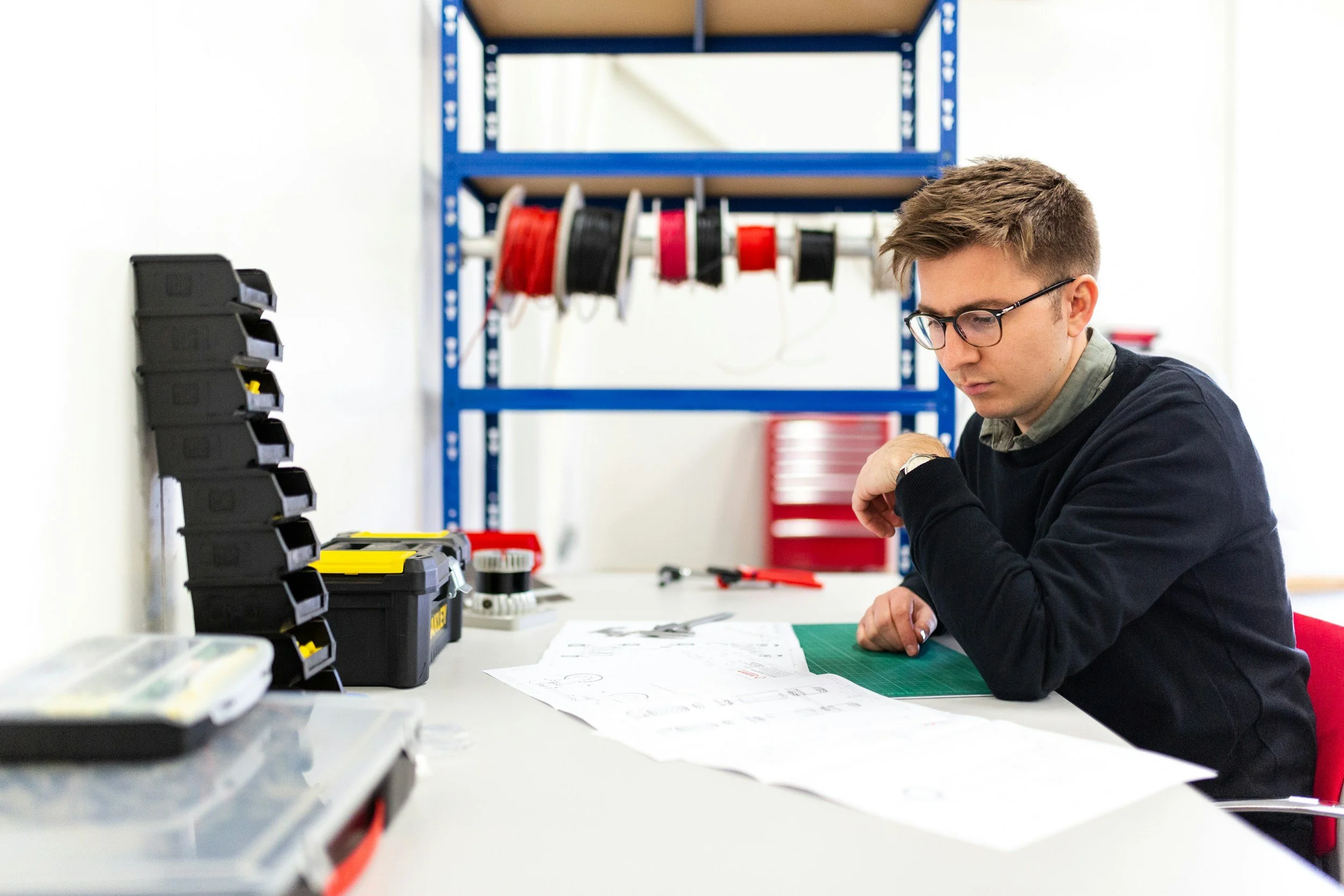
Starting a workshop involves more than finding the right location, purchasing equipment, and preparing to serve customers. For business owners across the United States, establishing a functional workshop also means planning an electrical system that can safely support daily operations. Whether you are opening a woodworking space, a repair facility, a fabrication unit, or a small manufacturing business, your electrical setup deserves attention from the beginning.
Poor electrical planning can lead to equipment failures, unexpected downtime, safety hazards, and additional expenses. Addressing these requirements before operations begin can help business owners avoid costly changes later. Here are seven important electrical considerations to include when setting up a new workshop.
1. Assess Your Workshop's Power Requirements
Before installing electrical equipment, identify how much power your workshop will need. Different businesses use different machinery, tools, lighting systems, and other electrical equipment. A small repair workshop, for example, may have considerably different requirements from a facility that operates welding machines or industrial cutting equipment.
Start by preparing an inventory of the equipment you plan to use. Consider:
Power ratings: Check the voltage, wattage, and current requirements of each machine.
Simultaneous usage: Estimate which equipment may operate at the same time.
Future expansion: Account for additional machinery or workstations you may introduce as the business grows.
Supply capacity: Have a qualified electrician assess whether the existing electrical supply can support your anticipated demand.
This assessment helps determine whether the premises need an upgraded electrical supply, additional circuits, or a different distribution arrangement.
2. Choose Suitable Wiring and Power Cables
The quality and suitability of electrical wiring directly affect a workshop's safety and reliability. Business owners should consider cable specifications rather than choosing components based on price alone.
When selecting power cables, consider their current-carrying capacity, voltage rating, insulation, and suitability for the installation environment. Cables used for permanent wiring may have different requirements from those designed for portable equipment or temporary power distribution.
Workshops exposed to moisture, heat, dust, or mechanical impact may also require additional cable protection. A qualified electrician can help select suitable components that meet applicable electrical standards.
3. Plan Equipment Placement and Electrical Outlets
Workshop layout and electrical planning should go hand in hand. Installing machinery first and deciding where to place outlets afterward can result in inconvenient connections, overloaded circuits, and unnecessary cable extensions.
Before finalizing the layout, identify where major equipment, workbenches, storage areas, and employee workstations will be positioned.
Consider the following:
Accessible outlets: Place suitable outlets near equipment without obstructing movement or creating trip hazards.
Dedicated circuits: Provide separate circuits for machinery with significant electrical demands where required.
Cable management: Use suitable cable trays, conduits, or protective covers to keep wiring organized and protected.
Emergency access: Ensure electrical panels, isolators, and emergency shut-off arrangements remain accessible.
Good planning makes the workshop easier to operate while reducing the likelihood of unsafe temporary electrical connections.
4. Install Appropriate Protection and Safety Devices
Electrical protection should be a priority from the beginning, particularly in workshops where employees regularly operate machinery and power tools.
Circuit breakers and correctly rated fuses help protect circuits against overloads and short circuits. Grounding and bonding arrangements also play an important role in reducing the risk of electric shock. Depending on the equipment and working environment, ground-fault circuit interrupters (GFCIs) may provide additional protection.
Business owners should also consider:
Clearly identifying electrical panels and individual circuits.
Providing accessible isolation switches for machinery.
Using suitable weatherproof or moisture-resistant electrical equipment where necessary.
Keeping electrical panels clear of stored materials.
Establishing procedures for disconnecting equipment before maintenance or repairs.
These measures should be designed and installed by qualified professionals in accordance with applicable electrical codes and workplace safety requirements.
5. Account for Lighting, Ventilation, and Environmental Conditions
A workshop's electrical requirements extend beyond machinery. Lighting, ventilation, heating, cooling, and other supporting systems also contribute to its overall power demand.
Poor lighting can make detailed tasks difficult and increase the risk of workplace accidents. Position lighting to minimize shadows around machinery, inspection stations, and workbenches. Task lighting may also be useful for activities that require precision.
Ventilation systems, extraction equipment, and cooling units should be included in the initial electrical load assessment. Workshops involving welding, painting, woodworking, or chemical processes may have additional environmental and fire-safety requirements.
For spaces containing combustible dust or flammable vapors, business owners should seek specialist advice about appropriate electrical equipment and installation methods.
6. Prepare for Maintenance and Equipment Inspections
Electrical systems require regular attention even after the workshop becomes operational. Machinery vibration, frequent movement, dust accumulation, and everyday wear can gradually affect cables, connections, and electrical components.
Business owners should establish a maintenance routine that includes:
Checking cables, plugs, and connectors for visible damage or overheating.
Inspecting electrical panels and protective devices.
Arranging periodic inspections of fixed electrical installations.
Removing damaged tools and equipment from service until they have been checked.
Keeping records of maintenance, repairs, and electrical inspections.
Employees should also know how to report electrical faults and understand why damaged equipment should never be used until it has been inspected.
7. Understand Electrical Regulations Before Opening
Electrical installations must comply with relevant building codes, electrical standards, and workplace safety regulations. Requirements can vary depending on the workshop's location, business activities, and the type of equipment being installed.
Business owners should consult qualified electrical contractors to understand the necessary approvals, inspections, and safety requirements before opening.
For businesses operating in the United States, the Occupational Safety and Health Administration (OSHA) provides a useful Small Business Safety and Health Handbook. It includes an electrical safety checklist covering considerations such as grounding, electrical enclosures, temporary circuits, and equipment safety.
Taking time to understand these requirements can help prevent compliance problems and create a safer working environment for employees.
Conclusion
Setting up a new workshop requires careful attention to its electrical infrastructure. Assessing power requirements, selecting suitable wiring, planning equipment placement, and establishing maintenance procedures all contribute to the safety and reliability of daily operations.
Rather than treating electrical installation as a final setup task, business owners should include it in their initial planning and budgeting. Working with qualified professionals and choosing appropriate electrical components can help create a workshop that supports current operational needs while remaining adaptable as the business grows.
Frequently Asked Questions
1. Why is electrical planning important when setting up a workshop?
It helps ensure that machinery receives an appropriate power supply while reducing electrical hazards, equipment failures, and unexpected downtime.
2. How do I determine the electrical requirements of my workshop?
Assess the power ratings of your machinery, expected simultaneous usage, lighting, ventilation, and potential future equipment needs.
3. What should I consider when choosing power cables?
Consider current capacity, voltage rating, insulation, environmental conditions, installation method, and compatibility with the equipment.
4. How often should workshop electrical equipment be inspected?
Inspection frequency depends on the equipment, working environment, and applicable regulations. Regular visual checks and periodic professional inspections are recommended.
5. Can I install workshop electrical systems myself?
Electrical installations should be handled by appropriately qualified and authorized professionals in accordance with local construction regulations.