
5 Ways QR Code Photo Sharing Helps Small Businesses Market Their Events
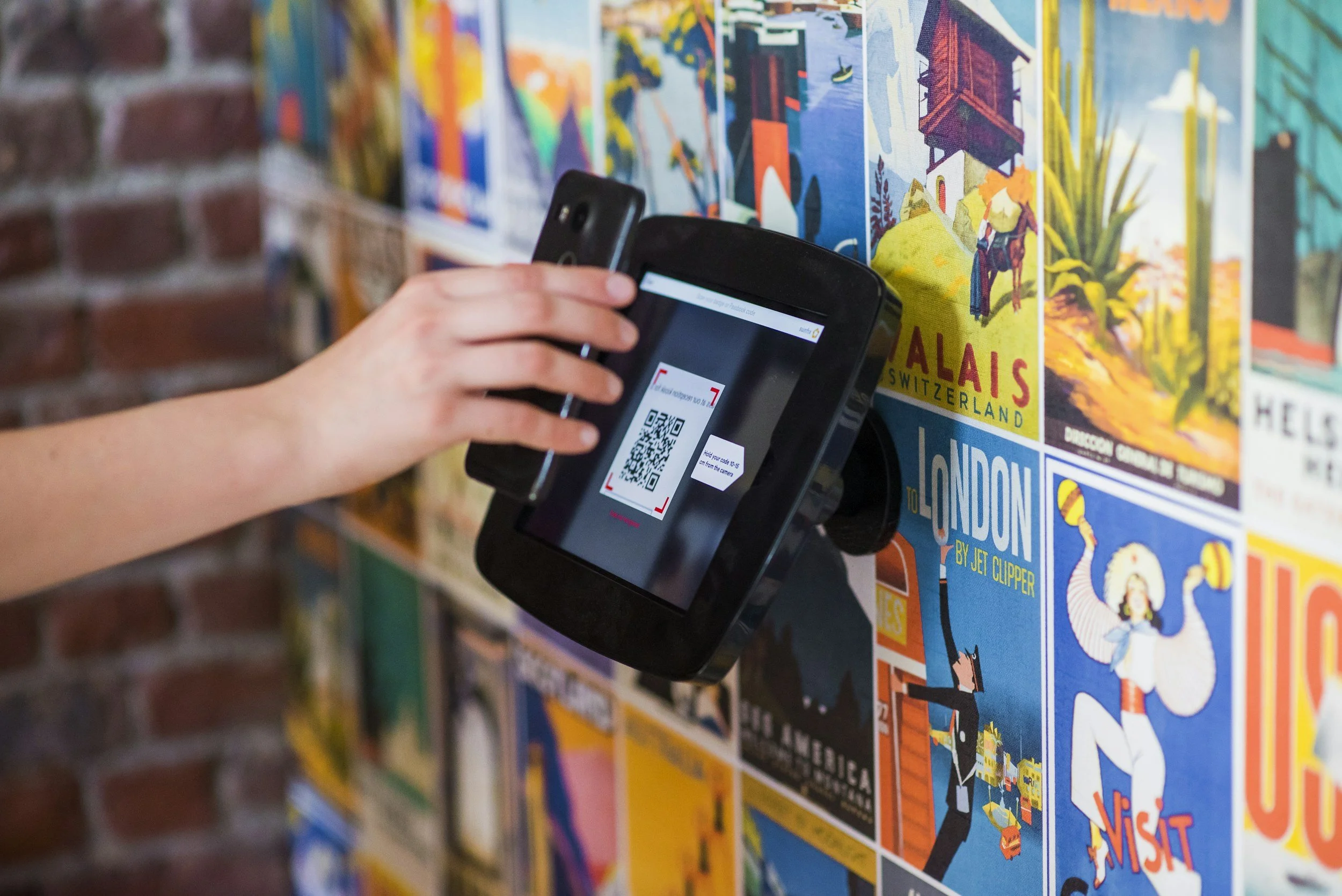
Here's a question worth sitting with: after your last business event, where did all the photos go?
If the honest answer is "scattered across attendee phones and mostly never seen again," you're leaving genuine marketing value on the table. Every event you host generates visual content, candid moments, authentic reactions, and real people engaging with your brand. That content is exactly what modern marketing needs. And most small businesses never capture it.
QR code photo sharing changes that. Here's how small businesses are using it to actually market their events, not just run them.
1. Creating Content Without High Production Costs
Professional event photography is expensive. For many small businesses, it's not a realistic line item for every event, a workshop, a pop-up, a client appreciation evening, or a product launch for a small audience.
But guests have phones. And guests take photos. The moment you give them a frictionless, one-scan way to contribute those photos to a shared album, you transform your attendees into a collective documentation team.
The result is a library of authentic, in-the-moment visual content that reflects the event as it actually felt, not as it was formally staged. Candid shots of people laughing, learning, connecting, and engaging with your brand carry a credibility in marketing materials that posed photography often can't match.
For small businesses building social media content, website galleries, or email campaign visuals, this library is genuinely valuable, and the cost of gathering it is essentially zero.
2. Creating Social Proof During and After the Event
Social proof is one of the most powerful marketing tools available to small businesses, and events are one of the best opportunities to generate it. Real people, visibly enjoying a real experience with your brand, captured and shareable.
QR code photo sharing amplifies this in two ways.
During the event, displaying the shared gallery on a screen as photos populate it creates a visible, social experience that encourages more sharing. Guests see their photos appearing in a collective album and feel part of something, which generates more engagement, more participation, and more content.
After the event, the gallery becomes a social proof asset. Shared with attendees, posted to your channels, or embedded in a follow-up email, it demonstrates to people who weren't there what your events feel like, in a way that a formal promotional photo never quite achieves.
3. Collecting User-Generated Content More Easily
User-generated content (UGC) is marketing gold for small businesses. It's authentic, it's free, and it performs significantly better than branded content across almost every metric.
The traditional challenge is rights. Can you use a photo someone took at your event? Did they consent to it being used in your marketing? The informal answer is often yes, but the formal situation is murkier.
Good photo sharing tools address this cleanly. When guests scan a QR code and contribute photos through a platform that includes permission terms at the point of upload, the consent question is answered. You have a clear record of contribution and permission, and a library of UGC you can actually use confidently.
For a small business that wants to build genuine, permission-based UGC content from every event it runs, this is a significant practical advantage.
4. Extending Engagement After the Event
The event doesn't end when guests leave. The post-event period is a genuine marketing window, and photo sharing extends it naturally.
Sending attendees a link to the full shared gallery after the event gives them a reason to re-engage with your brand in a positive context. It's not a sales email. It's something they actually want, their own memories and experiences, conveniently gathered.
That post-event touchpoint keeps your business in mind and, handled well, can drive further actions: following your social channels, signing up for your newsletter, sharing the gallery with people who weren't there.
For small businesses with limited marketing budgets, extending the value of a single event into a multi-week engagement sequence is a genuine efficiency win.
This is exactly the kind of simple, hassle-free feature that delivers strong value. Free QR code photo sharing tools are built to make photo collection and sharing easy for both businesses and attendees. GUESTPIX makes this accessible to small businesses at a price point that makes sense, without requiring technical setup or a dedicated marketing team to manage it.
According to HubSpot's State of Marketing Report, visual content consistently generates higher engagement rates than text-based content across all major digital channels, making every authentic event photo a genuinely useful marketing asset worth collecting.
5. Improving Future Events Through Feedback
Here's a less obvious application, but a valuable one.
When guests contribute their photos in real time, you get informal but genuine feedback about what they were engaged by. The moments they chose to photograph are the moments that mattered to them. The parts of your event with no guest photos are the parts that didn't capture their attention.
Over time, this creates a pattern. Which activities, displays, or moments consistently generate photo-worthy engagement? Which aspects of your events fly under the radar regardless of how much effort you put into them?
This kind of insight doesn't replace formal feedback surveys, but it supplements them with behavioural evidence that's harder to fake. People photograph what genuinely interests them. That signal is worth paying attention to. For small businesses that host recurring events, regular workshops, seasonal markets, quarterly client gatherings, the cumulative insight from photo patterns is a useful input into event design over time.
Making It Work in Practice
Implementation is deliberately simple with modern tools. A few things that increase participation:
Keep the QR code visible — table cards, event signage, a slide on screen
Keep the prompt brief and friendly — "Scan to share your photos and see everyone's" is enough
Mention it once during the event — a brief verbal prompt from the host drives participation significantly
Follow up with the gallery link within 24 hours while the event is still fresh
The simpler and more visible the sharing mechanism, the higher the participation, and the richer the content library you end up with.
Conclusion
Every event your small business runs is a content opportunity. The photos are already being taken. The question is whether you're collecting them, owning them, and putting them to work.
QR code photo sharing solves the collection problem cleanly, builds authentic content libraries automatically, and extends the marketing value of every event beyond the day itself.
For small businesses that run events and care about making them count, it's one of the easiest and most impactful additions you can make to how you work.