
Why Modern Workplaces Are Rethinking Shared Spaces For Employee Confidence
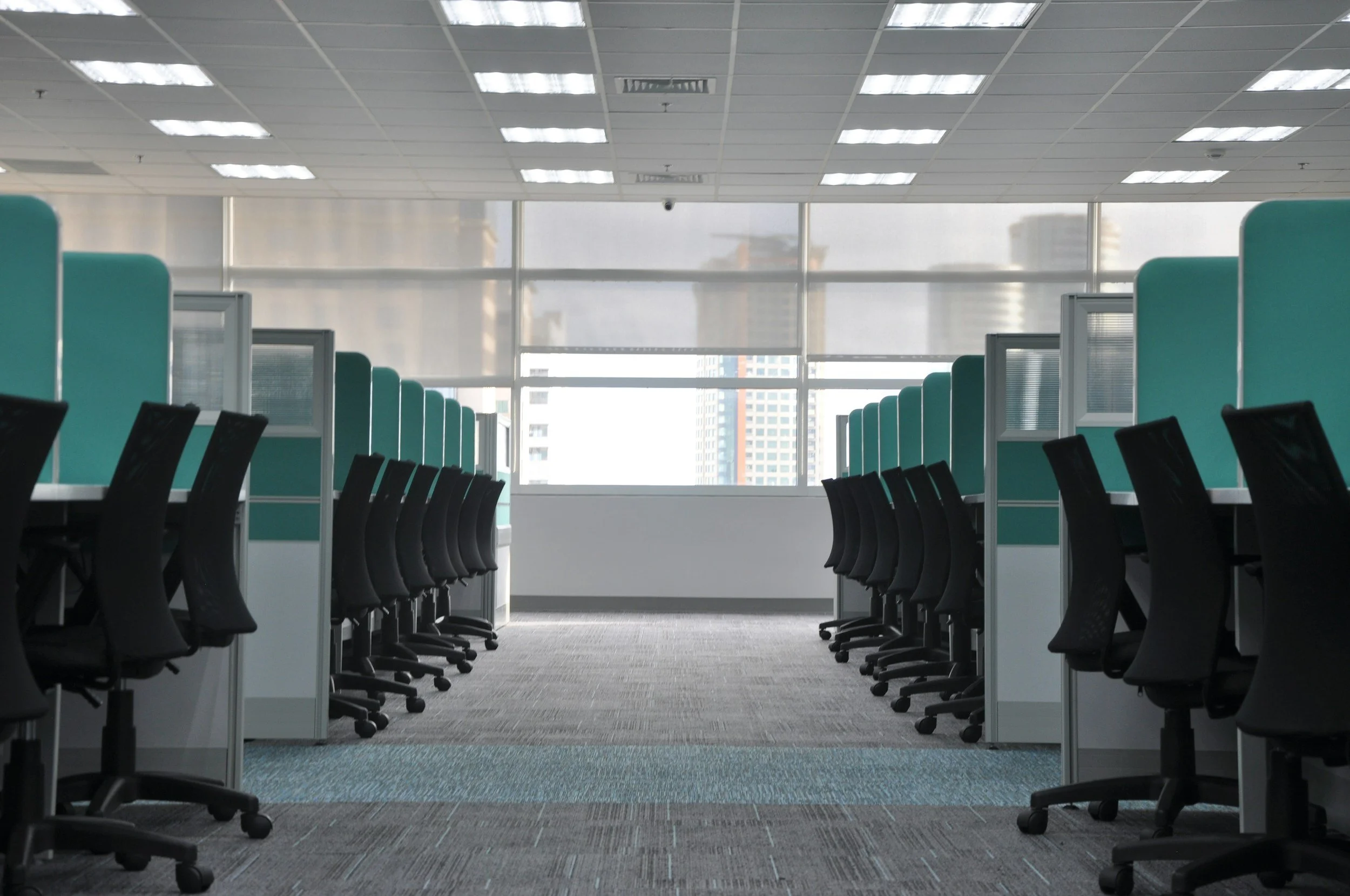
The modern office has changed dramatically over the past decade. Open floor plans, hot-desking arrangements, and communal breakout zones have become standard features in many workplaces. Businesses adopted these layouts to encourage collaboration, increase flexibility, and better utilise office space.
As workplaces continue to evolve, businesses are also gaining a clearer understanding of what employees need to feel comfortable, productive, and supported in shared environments. Shared spaces are now viewed through a broader lens that prioritises not only collaboration and aesthetics, but also employee wellbeing, confidence, and day-to-day experience.
The rise of shared environments and new expectations
Open-plan offices became popular because they appeared to offer several practical advantages; they made collaboration easier, reduced physical barriers between teams, and helped companies manage real estate costs more efficiently. Research on office design also suggests that shared spaces can improve visibility between staff and leadership while encouraging resource sharing across departments.
As these workplace models became more common, businesses also began paying closer attention to employee wellbeing in communal environments. Concerns about infection protection at work have become common as employees regularly use shared desks, kitchens, meeting rooms, and collaborative spaces throughout the day.
Shared environments can create challenges if they are not properly maintained. When cleaning standards do not match how frequently these spaces are used, employees may feel uncomfortable, unsupported, or unsafe.
This matters because expectations around workplace environments have changed. People are more aware of hygiene, airflow, surface cleanliness, and the condition of shared facilities than they once were. A clean, well-managed space signals that a business is organised and attentive to employee wellbeing, while neglected shared areas can quickly affect morale and confidence.
Why surface hygiene has moved to the centre of the conversation
Shared office environments naturally experience higher levels of surface contact and germ exposure. Keyboards, door handles, printer controls, coffee machines, and shared phones are touched repeatedly throughout the day. Studies show that bacteria can survive on hard surfaces for extended periods, making consistent cleaning essential in communal workplaces.
As a result, many businesses are investing in more comprehensive cleaning programs that go beyond basic end-of-day maintenance. Companies are increasingly using hospital-grade cleaning products, introducing routine cleaning throughout business hours, and focusing more heavily on high-touch surfaces to maintain cleaner environments and reassure staff.
What employees actually notice
Employees build trust in their workplace through consistent, everyday experiences. They notice when shared spaces are clean, organised, and well-maintained. They see when disinfectant wipes and hand sanitiser are readily available, and they recognise when kitchens, bathrooms, and meeting rooms are regularly restocked and cleaned.
Employees also notice when these details are neglected. A sticky kitchen bench, an empty soap dispenser, or a cluttered shared desk can quickly create the impression that employee comfort is not being prioritised.
For HR managers and facilities teams, this presents an important opportunity. Visible hygiene measures are one of the clearest ways to demonstrate that employee wellbeing is being actively considered within the workplace environment.
Redesigning shared spaces with intention
Beyond improving cleaning routines, many organisations are redesigning shared environments to support better workplace habits and improve employee comfort.
Thoughtful layout and flow
Businesses are reconsidering how employees move through communal spaces. Wider walkways, clearly marked entry and exit points, and improved signage can help reduce unnecessary crowding and minimise avoidable surface contact in busy areas such as kitchens and meeting rooms.
Easy-access hygiene stations
Placing hand sanitiser at reception areas, near elevator buttons, outside meeting rooms, and beside shared equipment makes it easier for employees to maintain hygiene throughout the workday. When hygiene supplies are visible and conveniently accessible, employees are more likely to use them consistently.
Scheduled and visible cleaning
Some businesses now display cleaning schedules near shared facilities to show when spaces were last serviced. This simple but visible measure helps reinforce accountability while reassuring employees that communal areas are being actively maintained.
The connection between environment and productivity
The physical work environment directly impacts employee experience and performance. Research published in the Journal of Environmental Psychology found that clean and organised workplaces can positively influence focus, mood, and perceptions of professionalism. Employees who feel comfortable within their environment are generally more engaged and productive.
This has become particularly important for businesses operating hybrid work models. Employees who divide their time between home and the office need compelling reasons to work onsite. A clean, thoughtfully maintained, and professionally managed workspace can play a major role in encouraging employees to return to the office more regularly.
Building a culture of shared responsibility
Rethinking shared spaces is not solely the responsibility of facilities teams. Creating comfortable and hygienic workplaces requires a broader cultural shift in which employees also understand their role in maintaining communal environments.
This includes encouraging staff to wipe down desks after use, report cleanliness or maintenance concerns promptly, and treat shared areas with consideration for others. When businesses provide the right tools and set clear expectations, employees are generally willing to contribute to maintaining a positive workplace environment.
The organisations that manage shared spaces most effectively are often those that treat hygiene and workplace care as part of their broader company values. Clean, well-maintained environments communicate respect for employees, and that sense of respect plays a significant role in building workplace confidence.