
The True Cost of a Poor Workplace Safety Culture
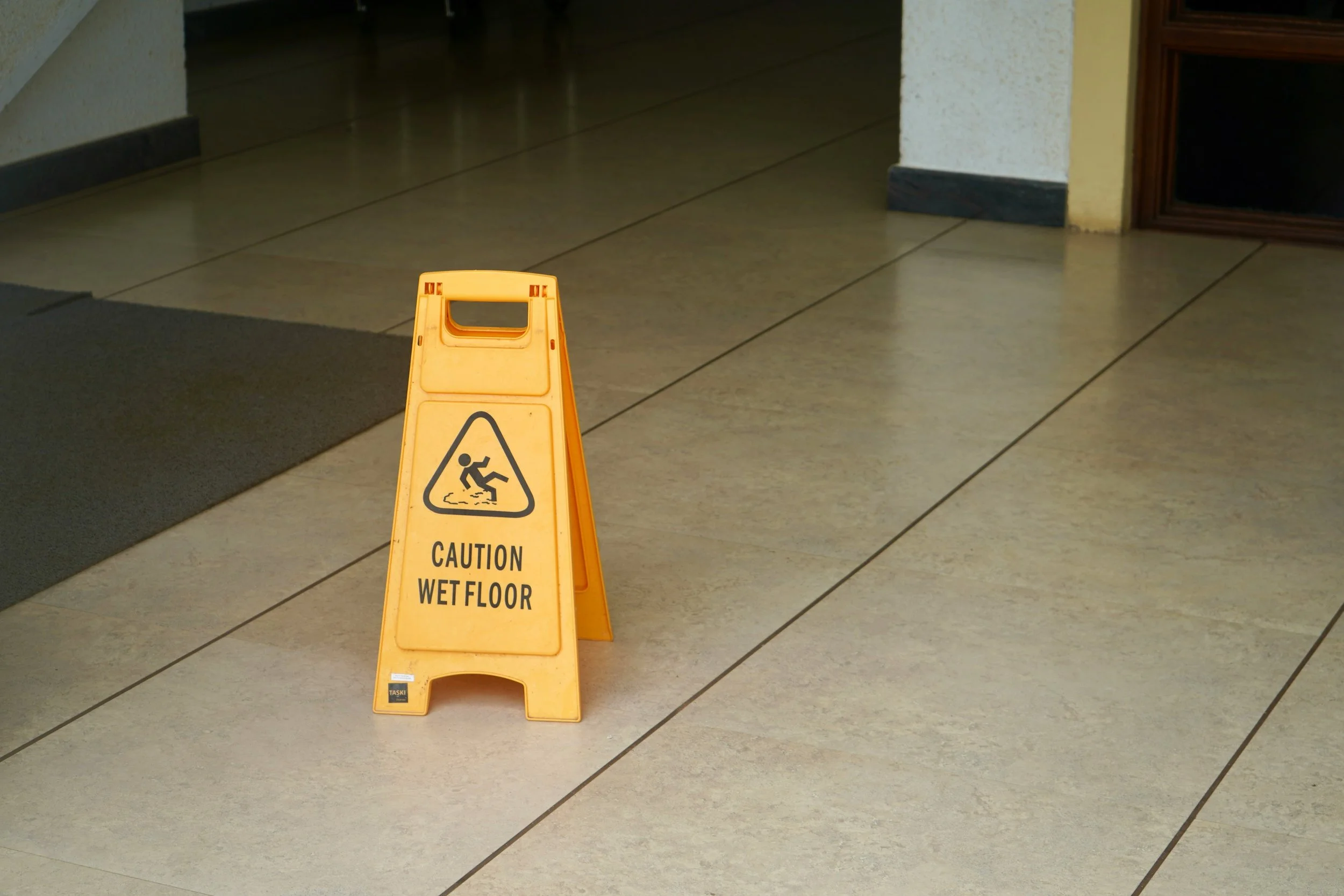
When you hear “workplace safety,” what pops into your mind? Hard hats, construction sites, maybe a factory floor with large machinery, and people milling about.
If you run a service-based business, it’s easy to think that workplace safety only applies in these places I’ve mentioned. But the truth is that workplace safety applies anywhere work is being done, whether with forklifts or laptops.
So, whether you run a freelance content agency, a coaching practice, or a small consulting firm, safety should be a core part of your company’s culture.
Allow it to slip to the bottom of the barrel, and the impact might be more than your business can handle. As of 2023, the total cost of workplace injuries in the USA was $176.5 billion, according to the National Safety Council (NSC). This amount covers medical bills, lost productivity, lost wages, and all the extras that come with it.
For a small or mid-sized business, even a fraction of that impact can hit hard.
What Is Workplace Safety Culture?
Workplace safety culture is basically how your business thinks of and handles safety on a day-to-day basis. It’s not just having a PDF written sometime in 2019 that no one bothers to check anymore. Nope.
Workplace safety culture is actually how you and your team behave when no one is looking. It’s the belief that no matter what it takes, safety comes before the deadline.
For service-based businesses, a healthy workplace safety culture is often reflected in:
Workspaces that are organized and spacious enough so people aren't tripping over each other or dodging charging cables. The same logic applies to commercial power cables — keep them properly routed and cable-managed so they don't become a daily hazard or eyesore.
Ergonomic equipment that helps prevent repetitive strain injuries from long hours at a desk.
Proper rest and safety protocols for employees who have to drive long distances to meet with clients, partners, or vendors.
Realistic deadlines that reduce chronic stress and lower the risk of burnout.
To tell you how important proper workplace safety culture is, up to 80% of workers in a recent survey revealed that a strong safety culture is important in determining whether they’ll accept a job offer or not. In fact, 48% say they’ll even accept a cut in pay, just to work in a safer environment.
That should tell you something.
The True Cost of Ignoring Workplace Safety
Now that you know what workplace safety culture is, let’s get real about why it matters and why ignoring it can be costly for your business.
The Financial Cost of Workplace Accidents
Let’s start with the cost in real dollars. Your workplace may not have heavy machinery to injure workers, but incidents like slips and falls are very real for service-based businesses like yours.
In Canada, British Columbia, in particular, these accidents cost businesses up to $148 million in claim costs each year. Now, guess the sector most impacted: construction, manufacturing, social services, healthcare, and yes, the service sector. Your type of business is not left out.
And for small businesses with limited budgets, even one incident can be devastating. Let’s put it in perspective using OSHA's Individual Injury Estimator.
If an employee slips and falls, and sustains an injury that costs $2,500 in direct expenses like medical bills, the indirect costs — things like lost productivity, damaged property, overtime, hiring replacements, or training new staff — could hit $11,250. That’s more than four times the original amount.
A slightly more serious injury, say around $4,000 in direct costs, could add another $6,400 in indirect costs. For really serious cases that directly cost your business $12,000, you’re looking at $13,200 in indirect costs.
Legal Risks and Compliance Issues
As an employer, you have a duty of care to your employees, and this duty doesn’t diminish or disappear because you run an SEO agency and not a fabrication center.
What’s more? In the USA and Canada, there are laws in place to ensure that this duty of care is met. Ignore it, and you could find yourself in legal trouble.
Here’s a striking example from a completely different industry, but it illustrates the point perfectly.
Many railroad workers have faced daily exposure to diesel exhaust, asbestos, welding fumes, and other hazards, most of the time, without adequate protection. Over the years, this exposure has been linked to serious illnesses such as leukemia, lymphoma, laryngeal cancer, and other serious diseases.
Some of the affected workers are now taking their companies to court in some of the biggest railroad lawsuit laryngeal cancer cases the country has ever seen.
According to Gianaris Trial Lawyers, some of these cases have resulted in multi-million-dollar awards under the Federal Employers' Liability Act.
Now think about your business. Sure, you're not dealing with diesel fumes or asbestos, but how about that employee who's been requesting an ergonomic chair for months because they work long hours at the computer?
Most times, it's not about the immediate injuries. Poor workplace safety culture creates long-term health problems that compound over time, and which could eventually lead to legal issues down the road.
Loss of Productivity and Morale
This one is a direct hit. When your people begin to feel like the company doesn’t really care about their well-being, it shows when they come to work and in how they work. Because the truth is that nobody is going to put 100% effort into a company that doesn’t give them 100% in return.
Of course, you pay salaries on time, but it would surprise you to learn that for many of today’s workers, salary is the barest minimum they expect.
In fact, more than half of modern employees are more interested in factors like job stability, standard of living, and burnout, according to a survey cited by Yahoo. Clearly, no one wants to have health problems as a result of work, no matter how much you’re paying them.
So, what happens? They start calling in sick far more than usual. They show up to work physically, but are far away mentally. Productivity drops. Collaboration suffers. Morale takes a hit. And before you know it, attracting and retaining good people becomes a real challenge.
Reputation Damage
In today’s world, news travels fast. A worker slips and falls in your workplace, and suddenly, everyone knows about it. Even if there’s no actual accident, the fact that you don’t have a healthy workplace culture is bad news in itself.
A former employee may share it on Glassdoor, and next thing you know, you’re advertising vacancies and no one is applying. And it’s not just hiring alone.
Clients, partners, and investors pay attention, too. A service-based business that can’t keep its own team safe doesn’t exactly inspire confidence, and confidence is what these people are looking for. Before long, opportunities that used to come your way start going elsewhere.
And guess what? This reputational damage compounds with time. Every negative social media post, every Glassdoor review, every worker who leaves your company because they felt unsafe — it adds up to a brand that people want to avoid.
The Cost of Replacing Staff
An unsafe work environment equals high employee turnover. And guess what? You have to fill the void.
But it’s not just about going on Indeed, Monster Jobs, or Glassdoor to post vacancies; you also have to consider the cost of hiring and retraining. Workable estimates that replacing an employee can cost a business up to nine months of the role’s salary.
Basically, this means that if a worker who earns $60,000 leaves, you’re looking at roughly $45,000 to fill up that opening. Now, imagine doing that every other month.
But forget about the dollar amount for a minute.
When you don’t prioritize workplace safety, and people leave, they take out the door with them:
Institutional knowledge you can't replace
The client relationships they built over time
Expertise that took years to develop
Team dynamics and workflows
Bottom line? It’s expensive, disruptive, and something you should avoid at all costs.
How to Build a Strong Workplace Safety Culture
So, how do you actually build a healthy workplace safety culture? Here's what to know:
Lead Visibly: Workplace safety starts from the top and flows down. This simply means that you must model the behavior you want to see in others. If you believe in messaging employees at midnight, you’re signaling to them that there's nothing like rest in your company. This is the wrong message. Instead, encourage taking breaks. Make well-being a visible, celebrated value.
Encourage Communication: Make it easy for people to talk about the safety arrangements in your business. If one-on-one won't work, create simple ways for them to get heard, even anonymously. More importantly, listen without taking offence.
Make Everyone Accountable: Safety is a team sport. Give people clear, simple roles. If someone sees a risk, it’s their job to mention it.
Invest in Continuous Training: Safety training isn't done once and it's over. It's a continuous process. This is why investing in continuous learning is important. It doesn’t even have to be a formal or structured thing. Even monthly discussions about the risks and prevention of workplace accidents can help.
Building a Sustainable Safety-First Business
When you’re running a business, there’s almost always something demanding your attention. Client deadlines, a budget crisis, a hiring need. Workplace safety might feel like one more thing in an already overwhelming list of things, but it’s very important.
Paying attention to it and building a strong culture around it is actually a very big investment you’re making, first to your people, and then to your business.