
What Factors Make Background Checks Effective During Employee Hiring
Finding the right people for a team involves more than a quick interview and a look at a resume. Hiring managers often face the pressure of filling roles fast. Rushing can lead to expensive mistakes that hurt the bottom line. A thorough screening process acts as a safety net for the company culture and its physical assets. When employers look at background checks, they are seeking a clear picture of a candidate's history and reliability.

Prioritizing Legal Compliance
Modern background checks must navigate a complex web of regulations to remain valid. Federal and state laws dictate what information can be used and how it must be obtained. Recent data suggests that a lot of employers now view compliance as their primary motivation for screening. This focus helps businesses avoid lawsuits while maintaining a fair hiring environment for everyone involved.
In 2026, the shift toward role-based screening has become a standard best practice for staying within legal boundaries. Using reliable diagnostics and testing services ensures that companies get accurate results without overstepping privacy limits. This targeted approach protects the organization from claims of discrimination or unfair treatment. Legal frameworks continue to change - making it necessary for HR teams to update their protocols regularly to stay safe.
Verifying Past Employment
One of the most frequent issues in recruitment is the embellishment of professional history. A significant number of hiring managers report finding discrepancies or lies on resumes. These inaccuracies can range from inflated job titles to entirely fabricated roles. Checking these details confirms that a candidate actually possesses the skills they claim to have before they start the job.
Verifying where someone has worked in the past is about more than just honesty. A recent guide from Vetty noted that failing to verify prior employment increases the risk of negligent hiring claims and workplace incidents. It provides a baseline for what the new hire can contribute from day one. Without this step, a company might place an unqualified person in a high-stakes position that they cannot handle.
The Financial Impact of Hiring
The cost of a bad hire goes far beyond the initial salary offered to the candidate. When a new employee does not work out, the business loses the time spent on training and integration. Team morale can also suffer when other members have to pick up the slack for an underperforming peer. These hidden costs add up quickly and can drain a small department's annual budget.
Replacing a bad hire can cost a business up to 3 times the annual salary of that position.
Poor hiring decisions are responsible for 80% of total employee turnover.
Background checks reduce the time spent interviewing candidates who are not a true fit.
Screening helps lower insurance premiums for many types of professional businesses.
Accurate checks prevent theft and internal fraud within the workplace.
Vetting candidates reduces the likelihood of future legal disputes.
A 2024 LinkedIn study found that replacing a bad hire is incredibly taxing when you factor in lost productivity. This financial burden is why many firms are now spending more on the front end of the recruitment cycle. It is much cheaper to run a deep check now than to fix a major mistake 6 months down the road. High turnover rates can also damage the reputation of a brand in the eyes of future applicants.
Assessing Criminal History
Safety in the workplace is a non-negotiable requirement for any functional business. Criminal record checks provide insight into potential risks that might not be visible during an interview.
Criminal checks are not just about finding past mistakes - they are about risk management. Most companies look for patterns of behavior that might conflict with the specific duties of the job. For example, a driving record is vital for a delivery role, while financial history matters for an accountant. Tailoring the search to the job description makes the process more effective and fair for the candidate.
Digital Footprints and Fraud
The rise of remote work has introduced new challenges for identity verification. Some reports show that a lot of companies have dealt with candidates using fraudulent identities during the onboarding process. Standard background checks now often include steps to confirm that the person behind the screen is who they say they are. This prevents identity thieves from gaining access to sensitive company data.
Social media screening has also seen a massive jump in popularity across various sectors. In financial and business services, the use of these checks grew by 47% in just a few years. This gives employers a sense of a candidate's public conduct and professional alignment. Monitoring these digital spaces helps prevent reputational damage before it happens to the brand.
The Role of Modern Technology
Artificial intelligence is changing how background data is processed and analyzed. New federal frameworks are being established to govern how AI is used in human resources. These rules aim to prevent bias while allowing for faster data collection. Technology makes the process more efficient - but it still requires human oversight to be truly effective.
AI can scan thousands of public records in seconds to find matches.
Cloud-based platforms allow candidates to upload their own documents securely.
Automated tracking systems keep HR teams informed about the status of each check.
Digital verification reduces the need for physical paperwork and mailing.
Algorithms help identify suspicious patterns in employment dates.
Centralized databases make it easier to conduct multi-state searches.
Automated systems can flag inconsistencies in a fraction of the time it takes a person to do so. The accuracy of the underlying data remains the most important factor in the whole system.
Maintaining Workplace Culture
A company is only as strong as the people who work there. When a bad hire enters the mix, they can disrupt the chemistry of a high-performing team. Background checks help ensure that new arrivals share the same values and work ethic as the current staff. This consistency is what allows a business to scale without losing its core identity.
Screening also acts as a deterrent for people who might have bad intentions. If a candidate knows that a company performs deep checks, they are less likely to apply if they have something to hide. This naturally filters the applicant pool toward people who are honest and qualified. It saves the HR department from spending hours on interviews with people who are not a good fit.
Global Screening Challenges
For companies that hire internationally, the background check process becomes even more complex. Different countries have different rules about what can be shared and how long records are kept. Navigating these global waters requires a partner who understands international labor laws. Without this expertise, a company could accidentally violate the privacy rights of a candidate abroad.
Global checks often include education verification from universities in other countries. This is a common area where fraud occurs, as degrees can be easily faked online. Confirming these credentials ensures that the company is actually hiring the expert they think they are. It adds a layer of security for firms that operate in multiple time zones and regions.
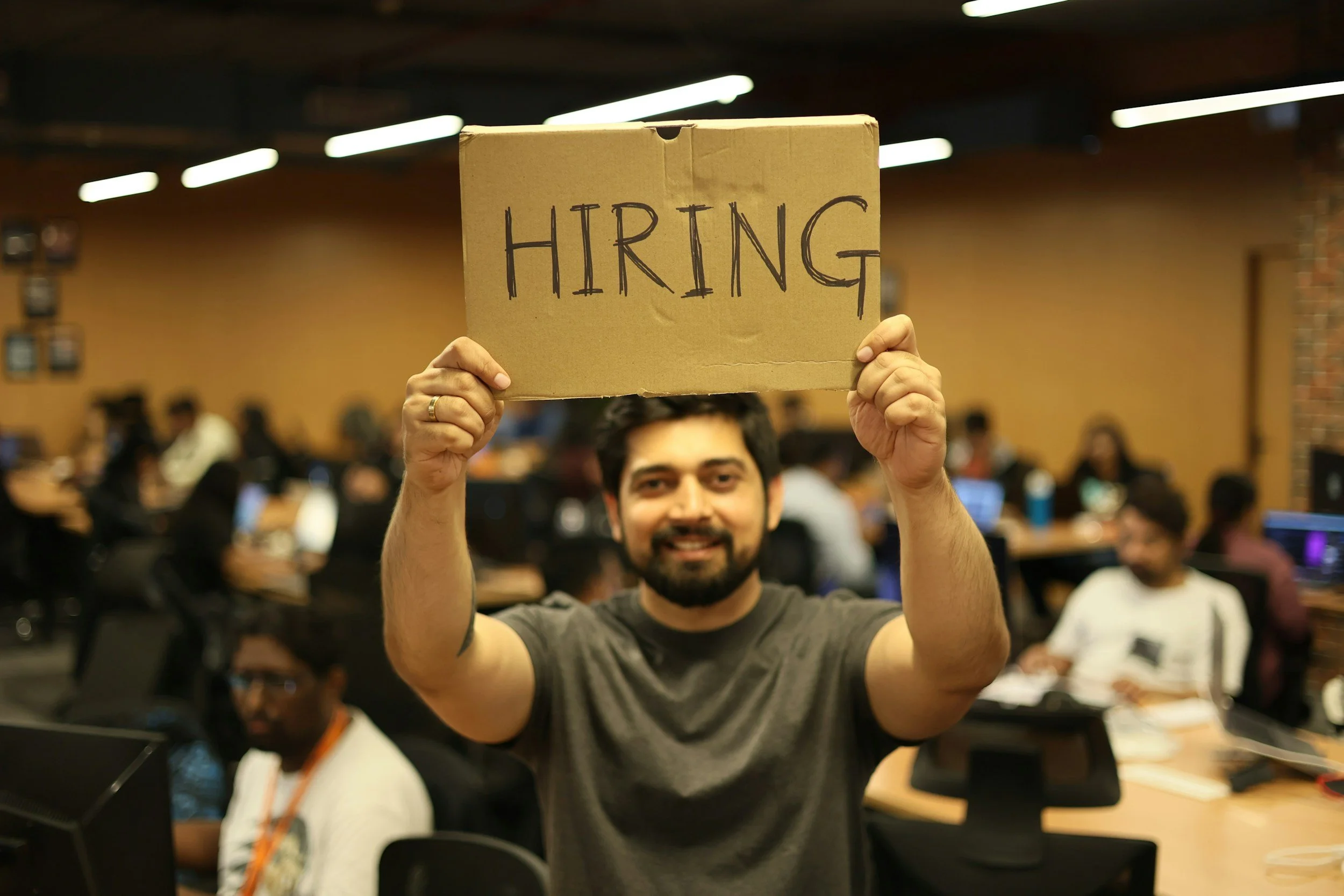
Investing in a deep screening process pays off through higher retention and better morale. When employees know their colleagues have been vetted, it builds a sense of security within the office. This trust is the foundation of a productive work environment where people feel safe. Background checks are a tool for growth that ensures the people joining the organization are a true fit for the long haul.