
Turning Your Foot Traffic Into Real Sales
Starting up your own retail store is a huge task to take on. There are countless things to worry about. Expenses to keep in check. Staff to hire. It’s a massive jump to take a successful online or home-grown business and make it work in person. But despite all of those difficulties, the most difficult thing has to be converting foot traffic.
A busy store can feel encouraging at first. People walk through the door, browse the shelves, and show interest in what’s on offer. Yet many business owners notice that this activity doesn’t always lead to actual purchases. A lot of people are simply there to browse. Maybe just kill some time. They’re not actually there to buy anything.
The gap between attention and action often comes down to small details. From how a store looks on the outside to how products are presented inside, every part of the experience plays a role. So in this post, we’ll explore practical ways to turn foot traffic into consistent sales and build a stronger retail presence over time.
Why foot traffic doesn’t always turn into sales
A busy store doesn’t always mean a successful one. People walk in. They browse. They pick things up and put them back down. Then they leave without buying anything. It happens more often than most business owners expect. It’s important to recognise when your store is actually converting traffic into sales and when it’s not. This all comes down to numbers. Being observant. Tracking your analytics and making sense of the numbers.
It’s frustrating because the hard part already feels done. You’ve attracted attention. You’ve brought people through the door. But something isn’t connecting. The truth is, foot traffic alone doesn’t build a profitable business. What matters is what happens after someone steps inside.
First impressions start before customers walk in
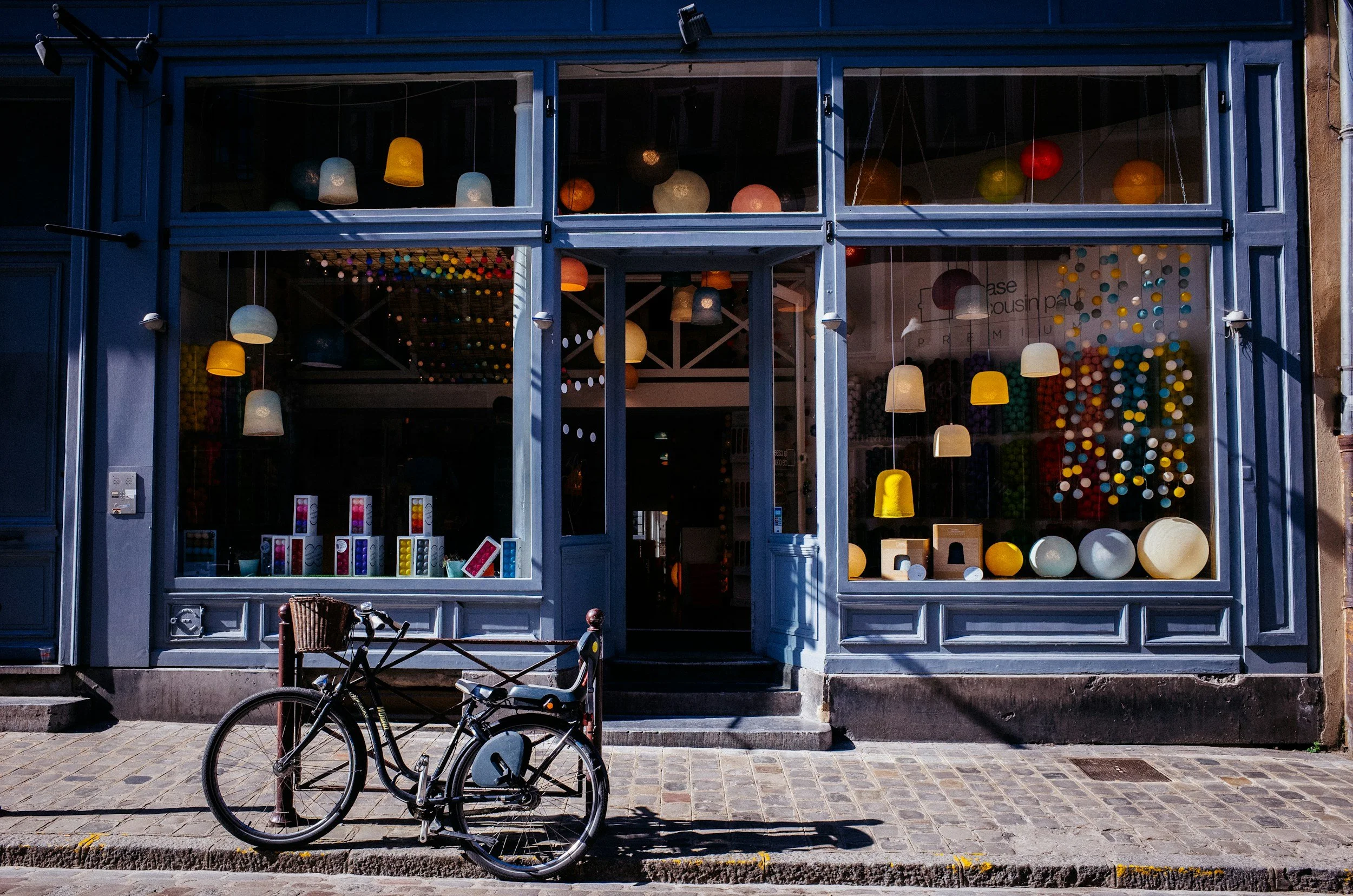
Customers form opinions before they even enter your store. They notice the windows. The signage. The lighting. The overall feel of the exterior. A strong storefront can draw people in. On the other hand, a dull or cluttered one can push them away. You might not even realize this at first, especially if you had a hand in designing it. But watch people come and go and you’ll start noticing what customers are attracted to and what repels them.
You should think of your storefront as the first conversation you have with potential customers. It should make them feel invited. It has to be clear. Most importantly, it needs to be aligned with what you’re offering. Small details matter here. Clean windows, good lighting, and a clear message can make the difference between someone walking in or continuing down the street.
Designing a layout that encourages customers to buy something
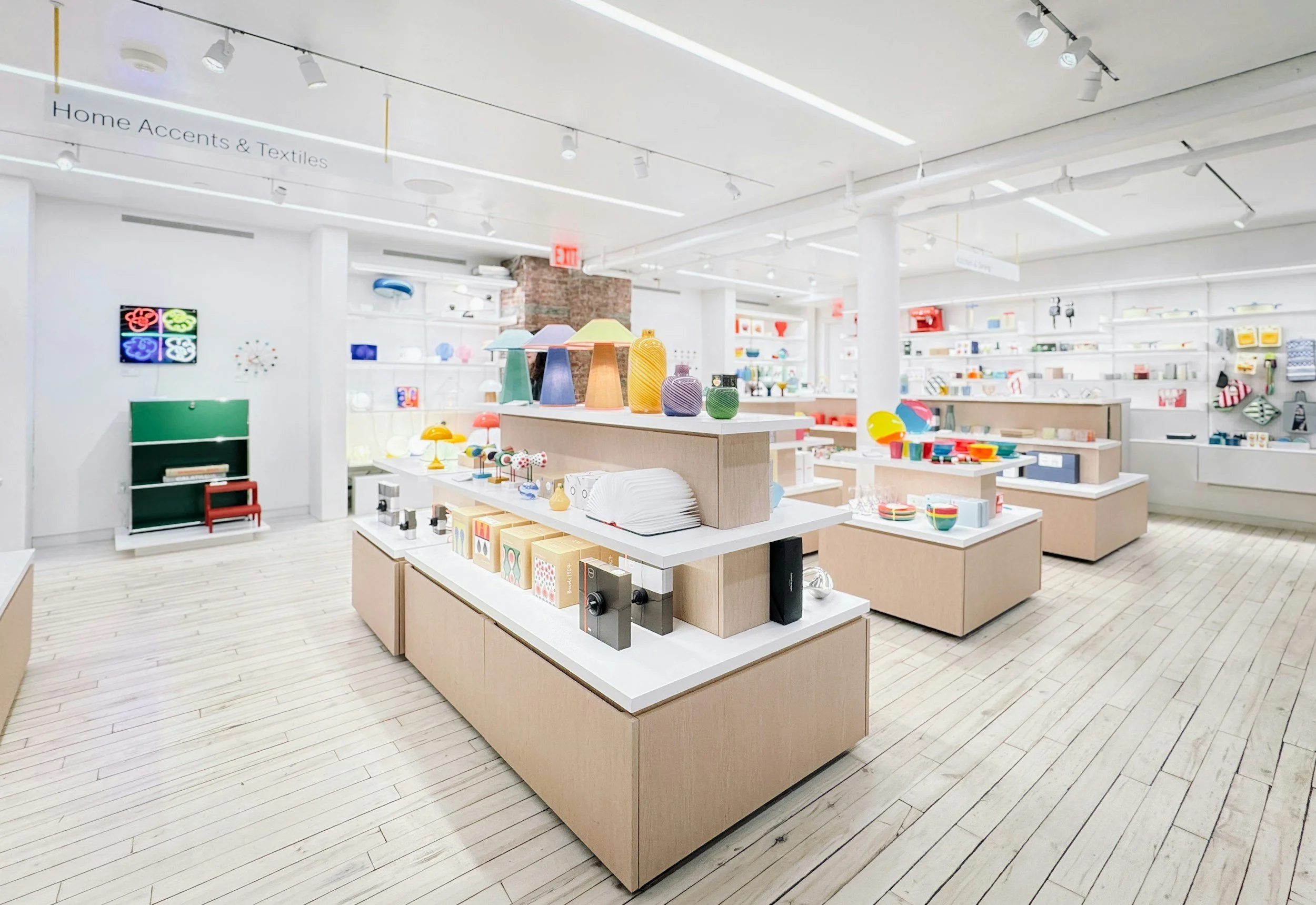
Once customers are inside, your store needs to guide them through naturally. This is where your store layout becomes incredibly important. If the space feels confusing or cramped, people tend to leave quickly. If it feels open and easy to navigate, they stay longer and are more likely to buy something.
Products should be placed in a way that encourages discovery. Popular items should be easy to find. Pathways should feel natural, not forced. When customers can move through your store without friction, they’re more likely to engage with what you’re offering. The experience is just far more pleasant.
Creating displays that make people stop and look
Not every product sells itself. That’s why visual presentation plays such a big role. Thoughtful, creative in-store displays can turn ordinary items into something that feels desirable.
Displays tell a story. They show how products can be used, combined, or styled. They give customers ideas instead of leaving them to figure things out on their own. A well-designed display can grab attention instantly and encourage someone to make a purchase they weren’t planning.
Cleanliness and atmosphere shape how people spend
People notice more about your store than you think. A slightly messy shelf. Dust on surfaces. An overall feeling that the space isn’t maintained. These details affect how comfortable customers feel. If you notice it, then so will your customers. They’re not blind.
Sometimes the solution is as simple as deciding to hire a commercial cleaning company to keep the space consistently presentable. Cleanliness isn’t just about appearance. It influences how people perceive your brand. A clean and well-maintained store feels more professional. It gives customers confidence in what they’re buying. It makes them feel important. And that’s usually enough to tip the balance and convince them to make a purchase.
Training your team to guide the buying journey
Even with a great storefront, people and customer service still matter in retail. Your team plays a huge role in turning browsing into buying. A friendly greeting. Helpful advice. Even just a simple recommendation can move someone from hesitation to decision. The more informed and active your staff are, the more likely you’ll make sales.
The goal isn’t to pressure customers. It’s to make them feel supported. When staff understand the products and engage naturally, customers feel more comfortable asking questions. That interaction often becomes the final step in making a sale. People often remember when they’ve had good interactions in a store. That turns into recommendations. More foot traffic. More sales. More success.
Thinking long term about retail success
Retail isn’t just about short-term results. Many people enter the space thinking quick wins will come easily. But investing in retail means building something that improves over time.
You test layouts. Adjust displays. Refine your approach based on what works. Small changes add up, gradually improving how customers experience your store. Over time, these improvements turn occasional buyers into repeat customers.
Turning foot traffic into sales comes down to experience. When your store feels inviting, easy to navigate, and engaging, customers are far more likely to buy and return, helping your business grow steadily over time. Failing to do so just makes your store stagnate. People stop caring. Customers stop coming. The sales halt. This is the last thing you want for your store, so be proactive now before it’s too late to repair.