
7 Proven Strategies To Make Sure Your Business Has The Ideal Commercial Space
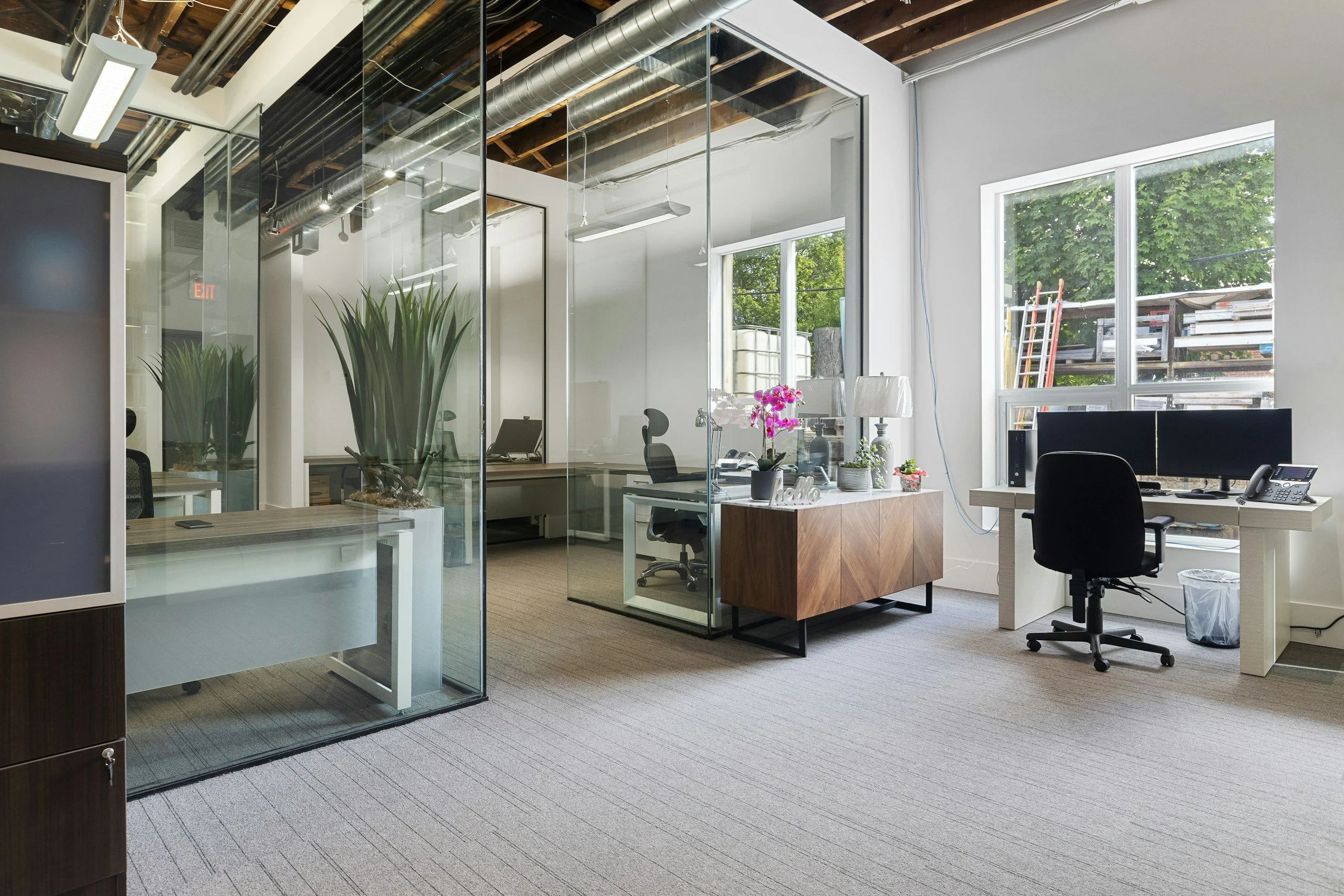
When it comes to choosing the right space for your business, there are so many different factors to consider. It’s not just about where the place is situated. You also have to think about setting the foundation for growth and many years down the line. The place you operate in every single day affects your team, your customers, and your ability to grow. For a successful small business, the property it operates in will be the difference between thriving and just about surviving. From the layout to the location, every decision you make here will play a significant role. Here are a few strategies that will help you create the ideal commercial space for your company.
Make Location An Important Factor
When you first think about choosing a location, you might immediately think about visibility. It’s also about alignment with your business goals, though. If you think about where your customers are and what is convenient for them, you will come up with a good decision. You have to think about your staff members, as a location that is easy to commute to will improve morale and productivity. If you have good access to transport links and parking, you will also improve daily satisfaction. Finally, it’s a good idea to look at surrounding businesses. By simply being near complementary companies, you can boost exposure.
Create A Space That Works For You
At the end of the day, your commercial space should reflect how you work individually and collectively. With a poorly designed layout, you can slow down processes and frustrate everyone. It will also create inefficiencies that add up. You have the freedom to carefully choose how each area will be used, thankfully. If you adopt a sense of flexibility when planning your layout, you are more likely to get a positive outcome. As the business grows, your space should be able to adapt without needing too many significant overhauls. By working together with a commercial construction firm, you will ensure that your space is designed with functionality, growth, and aesthetics in mind. Having expertise on your side will turn your vision into a reality.
Think About Long-Term Needs
The impulsive thing to do is to worry exclusively about your current situation. It’s obviously important to do this, but planning ahead is just as crucial. Think about where your business will be in 3 to 5 years. Your space may currently not fit the needs of the future. Looking into the future like this can help you in terms of building and what you already have. Business may pick up significantly, and growth may come quickly. This could mean that you outgrow your premises too soon, which could be disruptive and costly. When choosing your property, it’s a good idea to think about scalability. This might mean including extra space for additional staff or equipment. At the same time, you have to find a balance and avoid overcommitting to a space that is too big. Make sure there’s enough room to grow without stretching your resources.
Put Functionality Before Appearance
Of course, you’ll want the place to look good, but a pretty area is pointless if things don’t run properly. Aesthetics obviously matter in terms of first impressions and your brand, but functionality should always be your main priority here. It’s very common for daily operations to fall to a shoddy quality because business leaders focus only on how appealing it all looks. It’s less glamorous to think about workflow, storage, and accessibility, but they’re all necessary to keep things running. If every feature serves a genuine purpose, your team will have an easier time. Fortunately, if you design around functionality properly, the appearance will fall into place, as there will always be something that suits.
Evaluate Every Cost
While rent is a huge part of the financial picture, it is only one part. You shouldn’t put all your eggs into one basket and focus on other areas at another time. It’s common for businesses to underestimate the additional costs that come with a commercial property. Maintenance, utilities, and insurance should all be taken into account. Before making a decision, it’s important to calculate the total cost of occupancy. Hidden expenses can turn a good deal into something of a mess. When you understand the full financial commitment you are heading into, you can make a much more informed choice.
Ensure Compliance And Safety Standards Are Met
Every single commercial space must meet compliance and safety requirements. Sometimes, these requirements can feel tedious, but they must be met in order to continue operating. By failing to comply with these rules, you will run into fines and delays. Continually ignoring them will even lead to forced closure. Of course, this will defeat the object of possessing a high-quality commercial property. In terms of meeting all relevant regulations, you must ensure that fire safety, accessibility, and building codes are all dealt with professionally. By working with professionals during the setup process, you can help to ensure everything is entirely up to standard. It can be a frustrating process at times, but you will receive peace of mind once everything is clarified.
Consider Your Brand And Customer Experience
Even if you don’t initially think so, your commercial space is a physical representation of your brand as a whole. It should reflect pretty much everything about you and the business you are trying to portray. Your values, personality, and the experience you want customers to have will all be on show. It’s important to think about how customers will move through your workspace and what they will think when they finally walk away. You have probably judged a business the moment you walked into it, and this is no different. It’s just a case of being on the other side now. Every single detail will contribute to the overall experience. With a well-thought-out environment, you will attract more customers and encourage them to return later on. With a space that aligns with your brand, you will have a powerful tool for building trust at your disposal.