
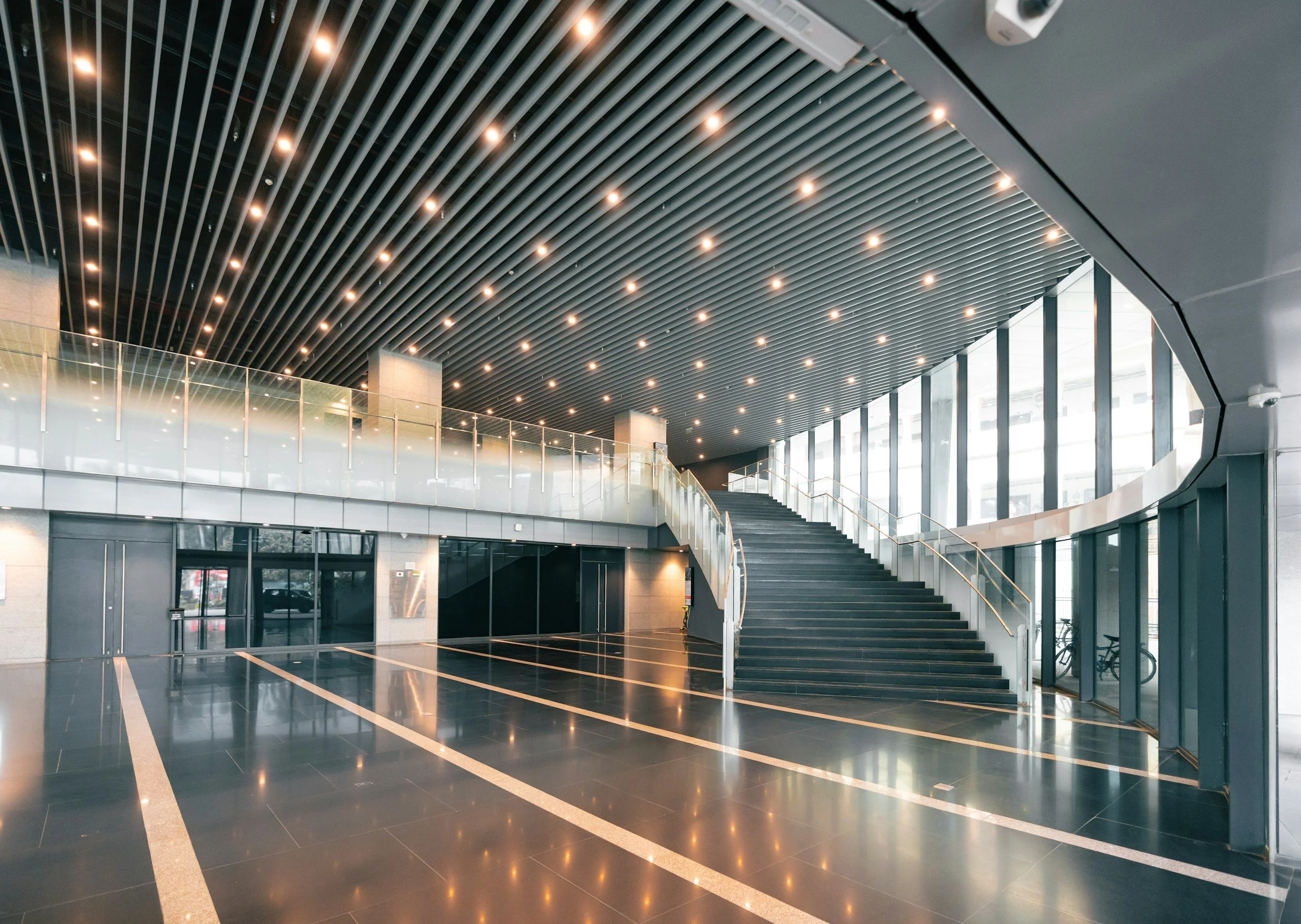
Empty storefronts, vacant offices, and neglected commercial buildings are often viewed as financial burdens. However, these properties can represent valuable opportunities for entrepreneurs and investors willing to recognize their potential. With thoughtful planning, an underused space can become a profitable business location that attracts customers and contributes to the surrounding community.
Changing consumer habits, flexible working arrangements, and growing interest in specialized services have created new possibilities for commercial properties. Buildings originally designed for traditional retail or office activities can sometimes accommodate entirely different purposes, from creative studios and wellness centers to shared workspaces and hospitality businesses.
The key is identifying a concept that matches the property's location, layout, and local demand. Successful transformations require more than attractive renovations. They depend on understanding operating costs, customer expectations, and the practical requirements of establishing a sustainable commercial venture.
Transforming Vacant Properties Into Modern Living and Working Spaces
One opportunity for underused commercial properties involves adapting buildings to accommodate contemporary residential or mixed-use environments. Former offices and retail units may offer possibilities for layouts that combine living, working, and shared facilities, particularly in neighborhoods experiencing changing demand.
The popularity of flexible urban lifestyles has encouraged interest in properties that use available space efficiently. Large windows, open interiors, and adaptable floor plans can become valuable features during conversion projects. Property developers exploring contemporary design concepts can find inspiration through https://www.urbnlivn.com/ particularly when considering comfortable interiors and practical arrangements for modern urban living.
Before proceeding, investors must evaluate zoning restrictions, building regulations, accessibility requirements, and renovation costs. When these factors align, transforming a vacant property can create new income opportunities while giving an existing building a more productive purpose.
Wellness Businesses Can Bring New Life to Commercial Properties
The growing wellness industry offers opportunities for commercial spaces that no longer suit traditional retail tenants. Former shops and professional offices may provide suitable locations for fitness studios, recovery centers, beauty businesses, and specialized wellness services.
These businesses often benefit from accessible locations, welcoming interiors, and rooms designed around individual appointments. Investors developing premium wellness concepts can explore specialized equipment through Oxify, which offers hyperbaric chambers for professional and wellness environments. Equipment requirements can help shape decisions about room dimensions, electrical infrastructure, accessibility, and customer comfort.
A successful wellness operation requires more than an attractive interior. Investors should assess local competition, staffing needs, equipment costs, and applicable regulatory requirements before launching. Choosing a property that accommodates these practical demands can create a stronger foundation for consistent service and long-term profitability.
Flexible Coworking Spaces Can Attract Different Customers
Traditional office leasing is no longer the only way to generate income from commercial properties. Coworking arrangements allow building owners to serve freelancers, remote professionals, startups, and small businesses that do not require permanent offices.
An underused office floor can be divided into shared desks, private workstations, meeting rooms, and quiet areas. Offering different membership options allows operators to accommodate customers with varying budgets and working preferences.
Reliable internet access, comfortable furniture, adequate lighting, and convenient meeting facilities are important considerations. Customers are more likely to appreciate a workspace that provides advantages over working from home.
Profitability depends on realistic occupancy expectations and careful management of operating expenses. Property owners should evaluate local demand before investing heavily in renovations, ensuring the concept matches the needs of professionals in the surrounding area.
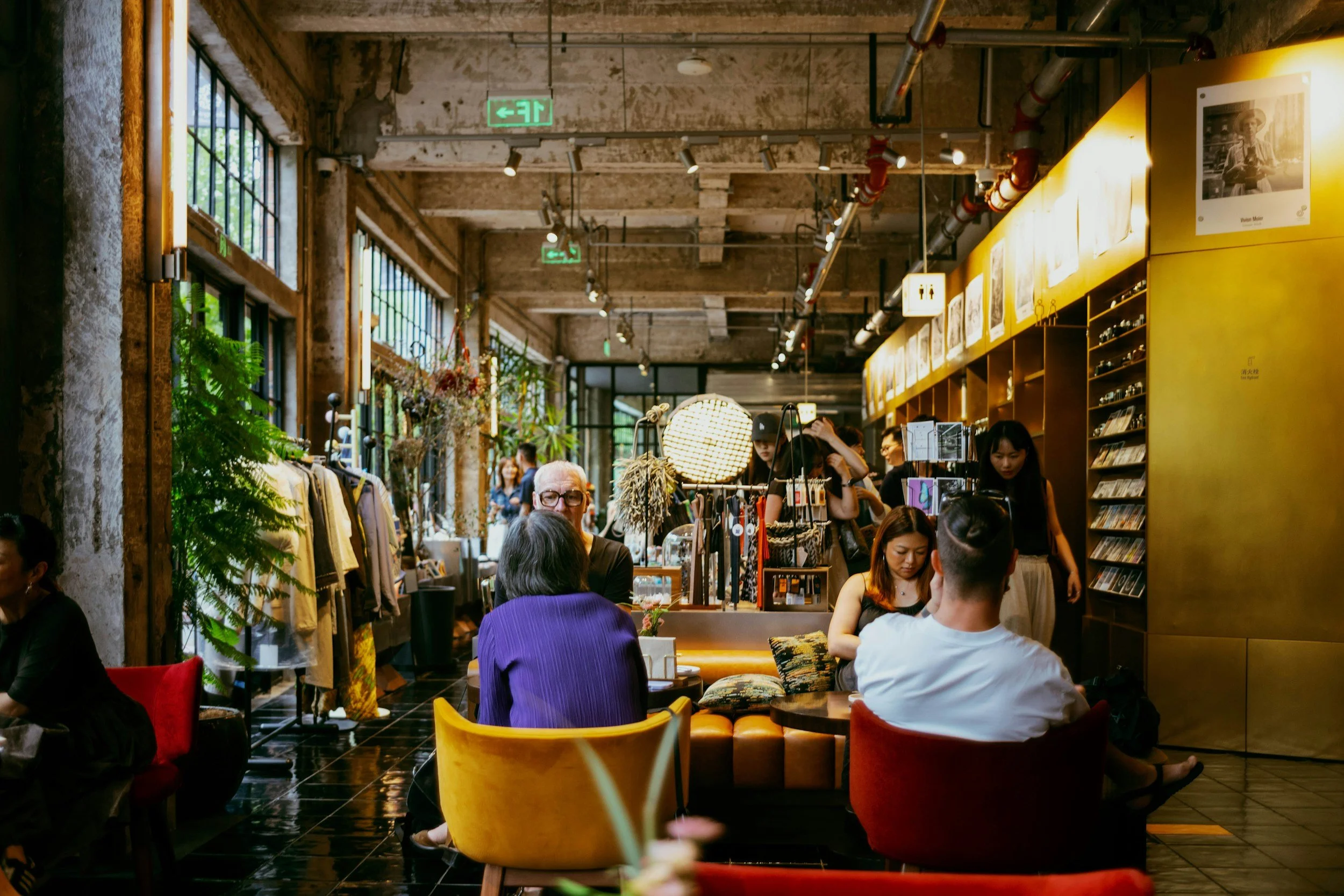
Pop-Up Shops and Creative Studios Offer Flexible Opportunities
Temporary retail concepts provide an alternative for property owners who want to activate vacant storefronts without immediately committing to long-term tenants. Pop-up shops can accommodate independent designers, seasonal retailers, specialty products, and promotional events.
Short-term agreements may generate income while introducing the property to prospective businesses. Attractive window displays, convenient access, and suitable storage facilities can make these arrangements more appealing to temporary occupants.
Commercial buildings with unusual layouts may also work well as photography studios, art workshops, or content production spaces. High ceilings, large windows, and open floor plans can become advantages for creative professionals.
These businesses may generate revenue through hourly rentals, workshops, or memberships. Evaluating sound control, ventilation, electrical capacity, and accessibility helps ensure the property can accommodate its intended activities.
Food and Hospitality Concepts Can Revitalize Empty Locations
Vacant commercial units can sometimes become successful cafés, bakeries, takeaway restaurants, or small hospitality venues. These businesses attract regular visitors and may contribute to increased activity in surrounding streets.
The most appropriate concept depends on customer demand and the property's physical characteristics. A compact storefront might accommodate a specialty coffee shop, while a larger unit could support a casual restaurant or shared dining space.
Food service conversions require particular attention to plumbing, ventilation, sanitation, equipment installation, and commercial kitchen regulations. These requirements can significantly influence renovation budgets and project feasibility.
Operators should also examine local competition, pedestrian traffic, and purchasing habits. A carefully selected hospitality concept can create recurring customer relationships and improve the commercial appeal of a previously inactive property.
Financial Planning and Adaptable Design Support Long-Term Success
An attractive business idea is only one part of a successful commercial property transformation. Investors must understand renovation expenses, operating costs, and realistic revenue expectations before committing substantial resources.
Older buildings may require electrical improvements, structural repairs, accessibility upgrades, or replacement heating systems. These expenses should be included in financial projections alongside insurance, property taxes, staffing, utilities, and ongoing maintenance.
Flexible layouts can also increase a property's future value. Movable partitions, durable finishes, and accessible utility connections make it easier to accommodate changing tenants without repeated major renovations.
Testing concepts through temporary leases or phased improvements may help investors evaluate demand before expanding their commitments. This approach supports more informed decisions while preserving opportunities for future development.
Ultimately, turning an underused commercial property into a profitable business requires creativity supported by practical planning. Coworking spaces, wellness facilities, residential conversions, creative studios, and hospitality concepts all offer possibilities when matched to appropriate locations.
By combining realistic budgets, adaptable design, and an understanding of customer needs, property owners can transform vacant buildings into productive spaces that create lasting commercial and community value.