
Work Without Borders: Why Entrepreneurs Are Building Businesses Abroad
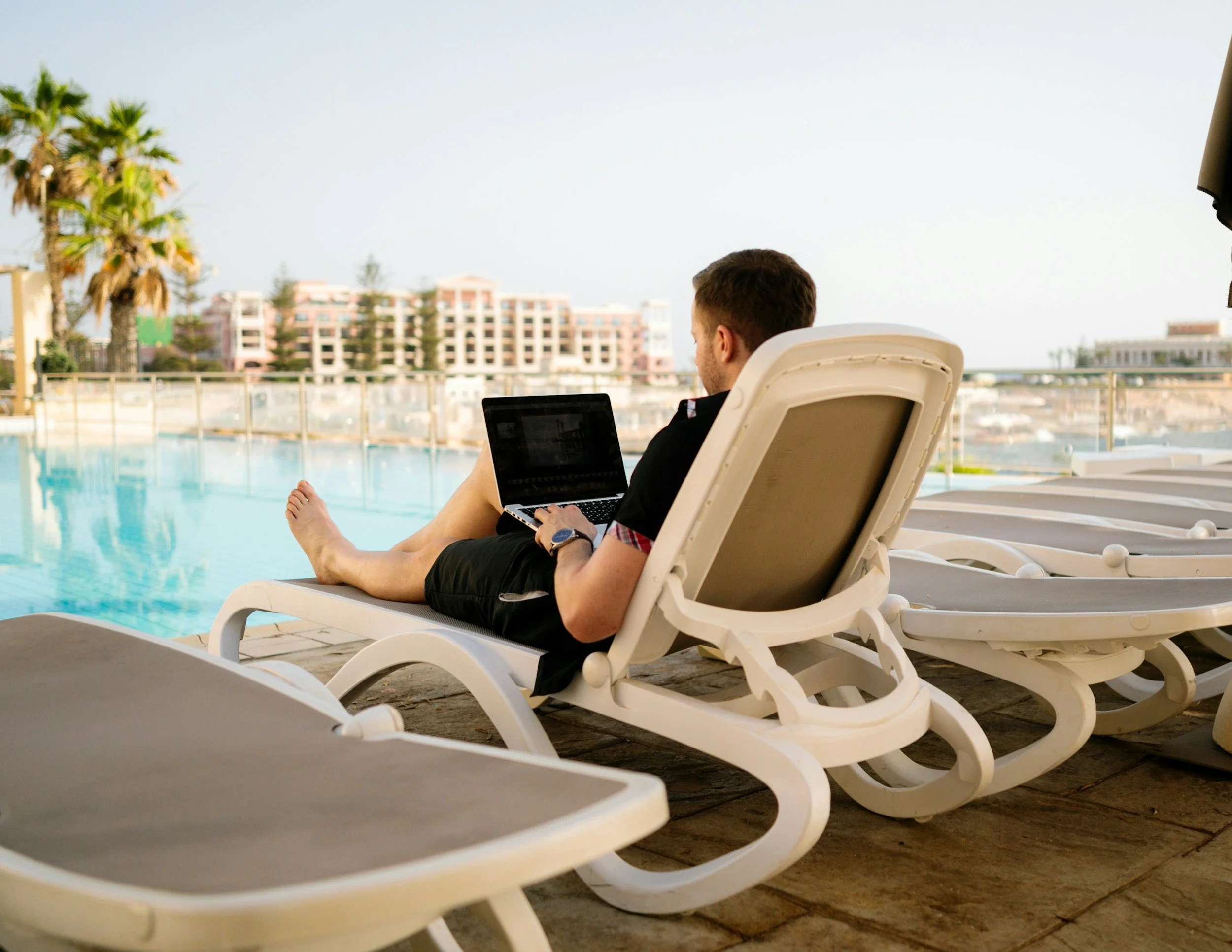
Location independence has become a defining feature of many modern service businesses. Consultants, designers, marketers, developers, coaches, and other professionals often deliver their services online. This shift allows entrepreneurs to operate from nearly anywhere with a reliable internet connection. For many business owners, working abroad offers more than travel opportunities. It can influence creativity, business growth, and personal development while maintaining full control over professional responsibilities.
Expanding Perspective Through Global Experience
Living and working abroad exposes entrepreneurs to different business cultures and consumer expectations. Daily interactions with new environments often change how business owners approach problem-solving and communication.
Service professionals frequently rely on creativity and strategy. Exposure to different markets can inspire new ideas about branding, service delivery, and client engagement. Observing how companies operate in other countries may also introduce new approaches to productivity and collaboration.
Entrepreneurs who work abroad often develop stronger adaptability skills. Adjusting to unfamiliar environments encourages flexible thinking and improved decision-making. These qualities benefit service businesses that depend on evolving client needs and industry trends.
Global experience also strengthens cross-cultural communication. Service providers who interact with clients from multiple regions often become more aware of cultural preferences, communication styles, and business etiquette.
Awareness only goes so far when the words themselves have to change. A founder can understand a market's etiquette perfectly and still lose meaning the moment a proposal or pitch is pushed into another language by a single automatic engine. This is where founders working across regions increasingly turn to MachineTranslation.com, the AI translator that compares multiple AI models and returns the version they agree on, so the intent behind the message survives the switch between languages. For service providers whose reputation rests on how clearly they communicate, that reliability is what turns cross-cultural awareness into cross-cultural results.
Access to Diverse Client Markets
Operating internationally can also expand access to new clients. Digital communication tools allow entrepreneurs to connect with businesses and individuals around the world. Working abroad may help entrepreneurs build relationships within regional markets that were previously unfamiliar.
For example, a marketing consultant based in Southeast Asia may work with clients in North America while also building partnerships with companies in nearby countries. Time zone differences can even become an advantage. Work completed during one region’s daytime hours may be delivered to clients in another region overnight.
Service businesses that operate remotely often rely on project-based work rather than physical location. This structure allows entrepreneurs to maintain consistent income streams while exploring different regions.
Networking opportunities also increase in international environments. Coworking spaces, digital nomad communities, and industry events create connections between entrepreneurs who share similar professional goals.
Lower Operating Costs in Certain Locations
Cost structure can influence where entrepreneurs choose to live and work. Many digital nomads select locations where daily expenses are lower than in major business centers. Reduced housing costs, transportation expenses, and food prices may allow entrepreneurs to reinvest more income into their business.
Lower overhead can create flexibility for service businesses during growth stages. Entrepreneurs may allocate resources toward marketing campaigns, software tools, or additional training that strengthens service quality.
Financial flexibility also supports experimentation with new service offerings. Entrepreneurs who reduce living expenses may feel more comfortable testing new ideas without immediate financial pressure.
Each location requires careful evaluation of infrastructure and internet reliability. Entrepreneurs typically prioritize locations that support consistent online communication with clients.
Managing Financial and Legal Responsibilities
Working abroad also introduces administrative responsibilities that entrepreneurs must address carefully. Tax obligations, residency rules, and banking access may vary depending on the country where a business owner lives.
Entrepreneurs who spend extended time overseas sometimes consult professionals who specialize in expat tax services to clarify reporting requirements and avoid compliance issues. Accurate record keeping and awareness of international tax rules help ensure that businesses remain financially organized.
Legal considerations may also include visa requirements and business registration policies. Some countries provide visas specifically designed for remote workers or digital entrepreneurs. These programs allow individuals to live abroad while continuing to operate businesses that serve clients outside the host country.
Addressing these responsibilities early allows entrepreneurs to focus on business development rather than administrative complications.
Supporting Productivity Through Flexible Work Environments
Location-independent work allows entrepreneurs to design routines that support productivity and personal well-being. Many digital nomads organize work schedules around periods of peak concentration rather than traditional office hours.
Coworking spaces in international cities often provide professional environments where entrepreneurs can focus on business tasks while interacting with other professionals. These communities frequently include designers, developers, writers, and consultants who share knowledge and collaborate on projects.
Flexible work environments also support a balance between professional responsibilities and personal interests. Outdoor activities, cultural exploration, and community engagement often become part of daily routines for entrepreneurs living abroad.
Maintaining clear work boundaries remains important. Structured schedules and reliable communication with clients help ensure that service delivery remains consistent regardless of location.
Strengthening Independence and Business Resilience
Working abroad often reinforces the independence that attracts many entrepreneurs to service-based businesses. Building a business that operates effectively from different locations requires strong systems and disciplined organization.
Remote collaboration tools, project management platforms, and cloud-based communication systems support these operations. Entrepreneurs who develop these systems often create businesses that remain stable even during travel or relocation.
Location independence also encourages resilience. Entrepreneurs who learn to adapt to different environments frequently develop confidence in their ability to manage change. These skills help business owners respond to market shifts, new technologies, and evolving client expectations.
Working abroad offers service entrepreneurs a combination of professional opportunity and lifestyle flexibility. Exposure to international markets, diverse perspectives, and new professional networks can strengthen both personal growth and business development. Entrepreneurs who prepare carefully for financial, legal, and operational considerations often find that location-independent work expands the possibilities of how and where a service business can succeed. Check out the infographic below for more information.

Infographic: Work Without Borders: Why Entrepreneurs Are Building Businesses Abroad