
The Sober-Curious Entrepreneur: Why More Founders Are Rethinking Drinking
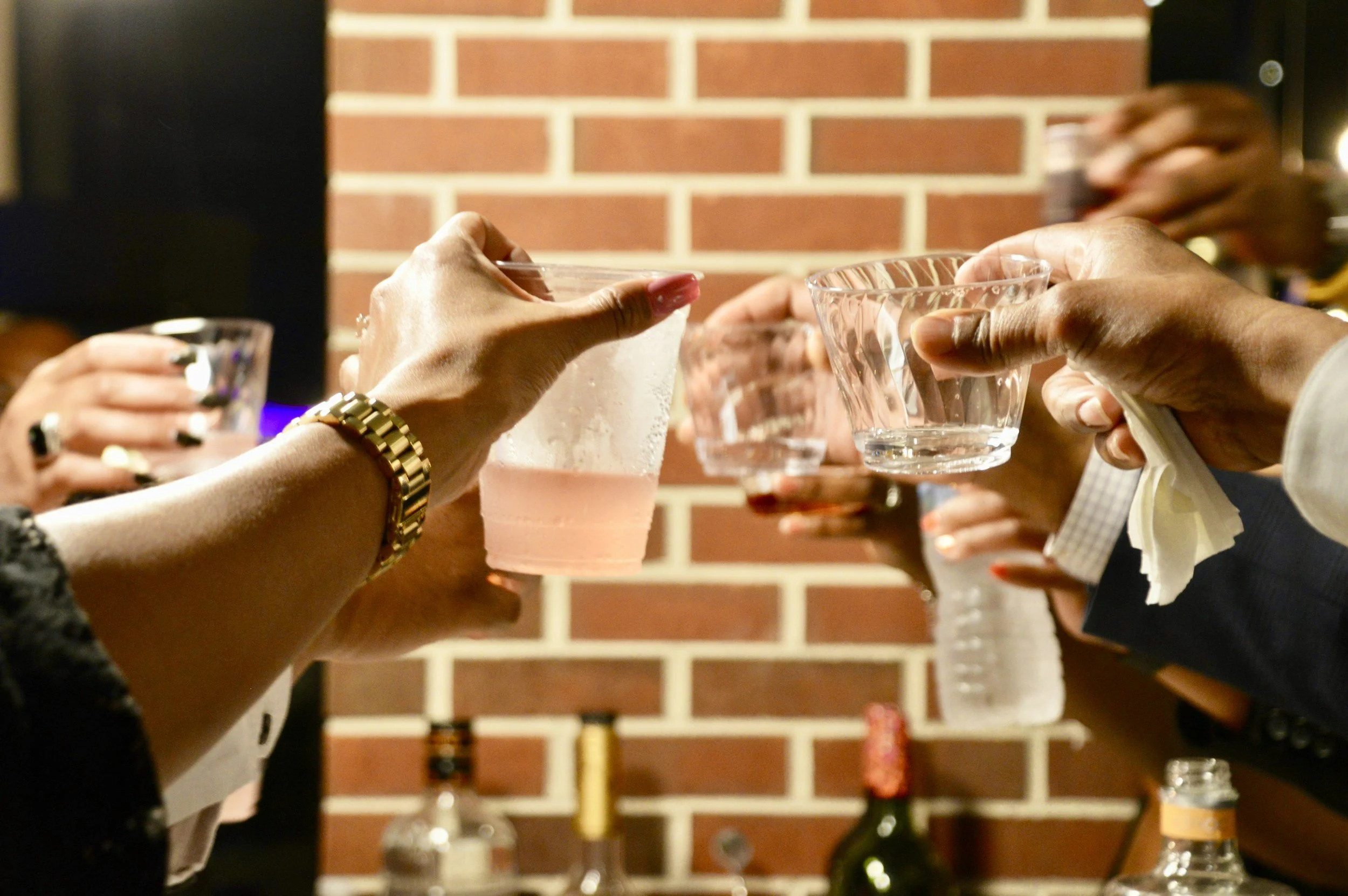
The drinking-and-grinding myth
alcohol was just part of the job. Networking meant open bars. Closing deals meant celebrations. After a 14-hour day running a business, pouring a drink was how you switched off. The story told itself: work hard, play hard. That's what founders do.
That story is losing its grip. Not because entrepreneurs suddenly hate alcohol. Because enough of them have asked the obvious follow-up: is this actually making things better? And for a growing number, the answer is no.
What's driving the shift
Mental health is no longer a secret
Founders are talking about burnout. Anxiety. The weight of carrying a business alone while pretending everything is fine. Five years ago, these conversations stayed in private group chats. Now they happen on LinkedIn, on podcasts, in founder communities. Alcohol used to be the thing nobody mentioned - the invisible coping mechanism humming in the background. Now it's in the open. And once it's there, it's harder to pretend it's fine.
Performance over appearances
Alcohol destroys your sleep. It fragments deep sleep and suppresses REM, so you wake up less restored even when you technically got eight hours. It also slows your thinking the next day, even without a hangover. Founders who track their output notice the pattern fast. Drinking nights lead to lost mornings. Lost mornings lead to rushed decisions. When your business depends on your brain working, that math stops adding up.
The sober-curious movement went mainstream
This isn't about hitting some dramatic bottom or calling yourself an alcoholic. The term "sober-curious" caught on because the old labels didn't fit most people. You're not broken if you want to drink less. You're just curious about what life looks like with less alcohol in it. That reframing opened the door for people who would never walk into a recovery meeting. They're not broken. They're just rethinking a habit.
What sober-curious looks like in practice
Most founders don't announce anything. They just start doing things differently.
One drink at the networking event instead of three. Noticing they feel sharper the next morning and deciding to repeat that and swapping the evening whiskey for a walk or a call with a friend. Some go fully alcohol-free. Most just dial it back. The common thread isn't how many drinks you have. It's the awareness: paying attention to how alcohol hits your sleep, your mood, your next day, and deciding the short-term unwind isn't worth what it costs you.
The hidden cost nobody talks about
Here's the part that doesn't come up at startup happy hours.
Alcohol triggers dopamine. Your brain learns the pattern fast: stress, drink, relief. Do that for months or years, and the loop hardens, whether you notice it or not. This has nothing to do with willpower. It's basic neurochemistry. You can want to drink less and still find yourself reaching for the bottle at 8 pm, because your brain has been trained to expect that reward.
That's where most people get stuck. They blame themselves for not having enough discipline when the real problem is a biological loop that's been reinforcing itself for years. You're not weak. You're up against a system your brain built without your permission.
A practical way to start
If you've been thinking about cutting back, there's a space between gutting it out alone and checking into rehab.
Sunnyside is built for that space. The method is three things: naltrexone - a prescription medication that reduces cravings by blocking the exact dopamine reward loop described above - plus one-on-one coaching to build better habits around drinking, and an app that tracks your progress week by week. The coaching helps you name your triggers: stress after a tough client call, the 5 pm wind-down ritual, and social pressure at events. The medication gives your brain room to rewrite those loops without fighting itself. Everything happens online. No meetings, no disruption to your schedule.
The goal isn't zero drinks. It's more controlled. For a founder already optimising their calendar, their team, and their morning routine, adding drinking to that list is just the next thing.
The bottom line
Nobody's saying you have to quit drinking to build a company.
But more founders are realizing that questioning your relationship with alcohol is no different from questioning your relationship with email, or meetings, or anything else that quietly drains you. The sober-curious movement isn't about depriving yourself. It's about deciding what actually serves you and leaving the rest behind.