
The Hidden Cost Of Digital Fatigue (and How Smart Businesses Reduce It)
Digital work is not just busy work. It drains energy, blurs focus, and chips away at well-being in ways that real budgets can feel. Most teams notice it as slower decisions, more errors, and people who look engaged on screen but feel wiped out by noon.
Leaders can turn this around without flashy programs. The fix starts with naming the hidden costs, then tackling the few habits and systems that create the most drag. Small changes stack up fast when they touch daily workflows.
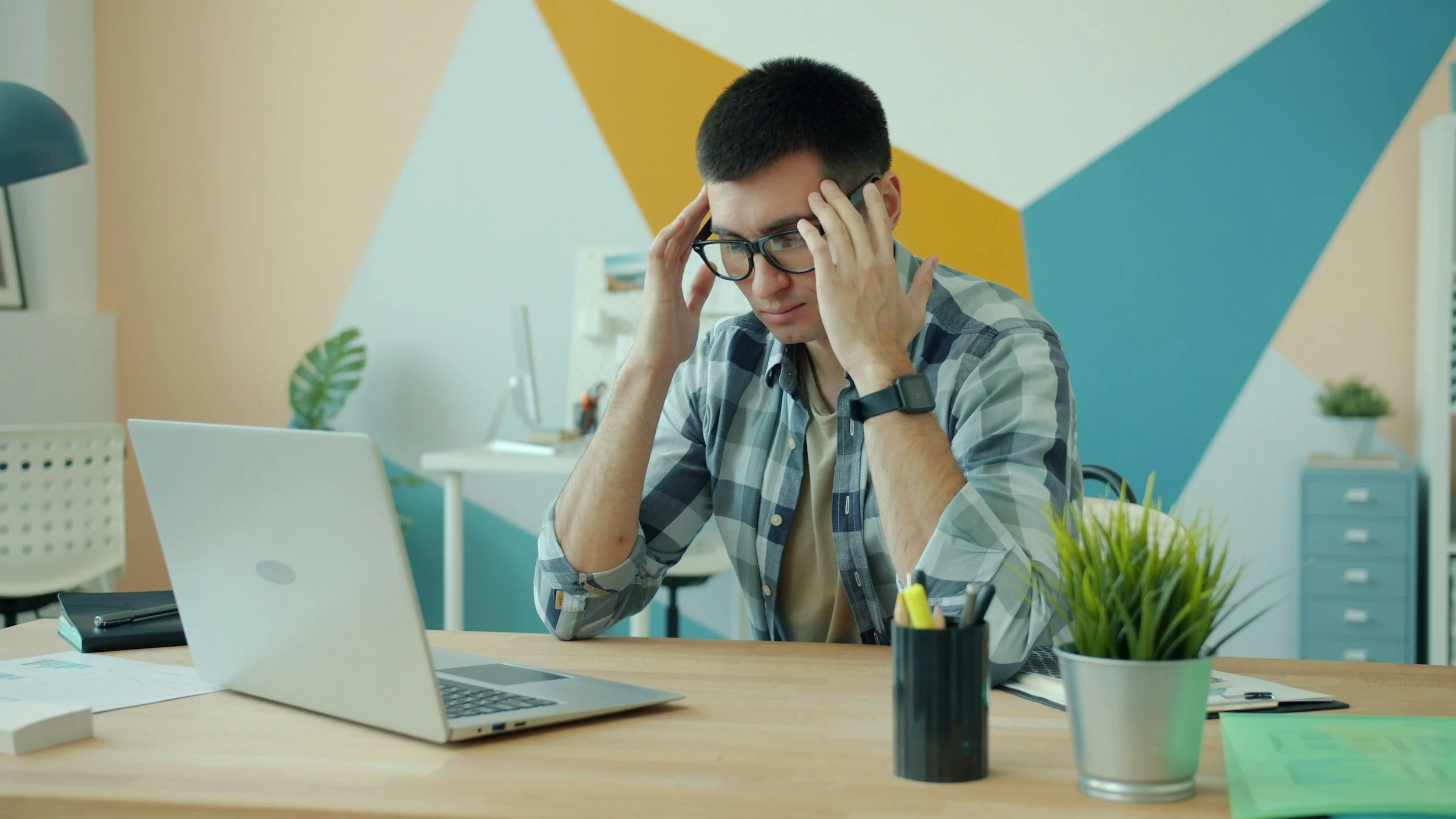
What Digital Fatigue Really Looks Like At Work
Digital fatigue shows up in the mind and body. People report sore eyes, tense shoulders, and lower patience by midafternoon. Productivity dips are often quiet, but they spread across a team.
A 2024 study in a major journal noted that virtual meeting strain is not evenly felt across workers. Women and people of color reported higher levels of video meeting fatigue, which means a one-size plan will miss key needs. Managers should read this as a signal to build support with care.
If we want to reduce fatigue, we should start with what people feel first. Ask short questions about energy, focus, and stress at the end of the day. Repeat weekly and watch for trends.
The Real Price Tag Leaders Don’t See
Fatigue is not just a mood. It turns into late projects, avoidable mistakes, and fragile morale. Those costs often sit in plain sight, but they are not labeled as fatigue.
A 2025 analysis estimated burnout and stress costs between $4,000 and $21,000 per employee each year. Scale that to a 1,000-person company, and you are likely looking at roughly $5 million in hidden losses. You might not see a single invoice for digital fatigue, but it still hits cash flow.
Treat these numbers as baselines to build a case for change. If your team runs on constant notifications and daily marathons of calls, you are paying more than you think.
Screens, Sleep, And What Actually Helps
Teams often chase sleep fixes because better rest boosts focus. Some tools may help a little, but the evidence is mixed and often overstated. It is worth testing, yet it is wise to stay honest about results.
There is a popular belief that specialized eyewear improves sleep after evening screen time. Options like blue light glasses can make evening screen time feel gentler on your eyes and help you unwind more comfortably before bed. Good sleep hygiene still matters more than any gadget.
Encourage wind-down routines, dimmer evening lighting, and fewer pings after hours. Small habits beat one-time purchases.
Meetings: The Default That Drains
Meetings can connect people, yet they can multiply fatigue when they run too long or too often. Brains tire from nonstop gaze, multitasking, and the pressure to perform on camera.
A practical fix is to reduce total meeting hours and tighten agendas. Shorter calls with clear owners cut cognitive load and free time for focused work. When video is not needed, try audio only to ease mental strain.
You can install meeting-free blocks twice a week. Protect them like critical appointments. Deep work time restores momentum and reduces the need for second meetings.
The Equity Gap Inside Digital Fatigue
Not everyone experiences the same load. Workers from underrepresented groups often carry extra social and cognitive strain in virtual settings. That shows up as more exhaustion by the end of the day.
Leaders should design with equity in mind. Rotate who runs meetings. Normalize breaks for cameras. Offer alternative participation options like chat or shared docs. These moves distribute pressure more fairly.
Track participation and follow-up tasks. If the same people do the invisible work every week, adjust the plan. Fairness reduces fatigue for everyone.
Practical Workflows That Lower Cognitive Load
Fatigue builds when workflows fight the brain. Too many apps, constant context switching, and unclear ownership create friction that never lets up.
Try a simple workflow reset:
One place for tasks and deadlines
One place for docs and decisions
One source of truth for priorities each week
Then set team rules for notifications, response expectations, and file naming. These tiny agreements remove guesswork. Less guesswork means fewer micro-decisions and more energy for real problems.
Smarter Screens And Healthier Habits
Digital hygiene is not about rigid rules. It is about helping people make better choices, most of the time. That begins with the workstation and ends with the clock.
Build a short menu of daily habits:
20-20-20 eye breaks every 20 minutes
Text size that does not require squinting
Standing or stretching between longer calls
Pair those habits with ergonomic checks and a culture that celebrates logging off on time. When leaders model these choices, teams follow without pressure.
Measure What Matters And Keep Iterating
Fatigue management is a system, not a sprint. It improves when you track a few signals and adjust with the team. Data builds trust and keeps the plan grounded.
Start with three metrics: average meeting hours per person, focus time per week, and a short energy rating. Review them alongside delivery metrics so you can see well-being and output.
Share results openly. When the team sees progress, they keep contributing ideas. This turns into a culture that notices strain early and fixes it fast.
Why The Evidence Should Shape Your Plan
A one-time fix will not hold if it ignores the science. Studies have shown that digital strain and burnout are real threats to output and retention. Evidence should guide budgets and policies.
One paper highlighted that video meeting fatigue affects groups differently, which calls for targeted support rather than generic advice. Another review found that a popular sleep accessory shows no significant average benefits, which argues for testing before broad rollout. Economic analyses show the steep price tag of burnout, which helps justify preventive investment.
Leaders do not need perfect certainty to act. They just need a clear link from evidence to practical steps, and a feedback loop to learn what works for their people.
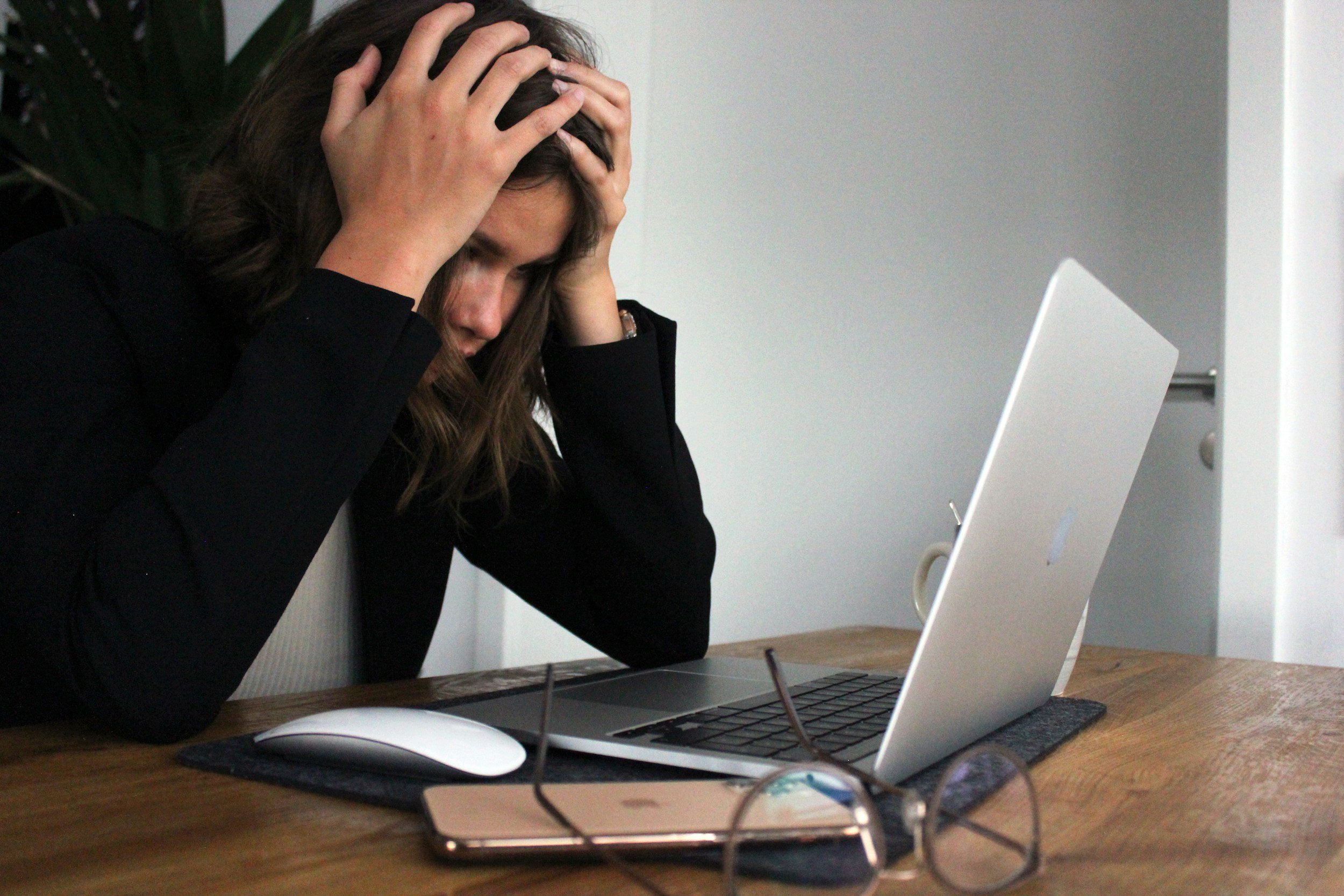
Digital fatigue will not vanish on its own. But when leaders treat energy as a shared resource, the workplace gets sharper and calmer at the same time. Fewer pings, clearer priorities, and steadier sleep patterns unlock better work.
Start with the basics, measure openly, and keep tuning the system. Your team will feel the difference, and the numbers will show it. Simply put, a stress-free environment is good for your business!