
The Desk-Snacking Habits That Can Derail an Otherwise Healthy Workday
A workday can look healthy on paper. Breakfast was sensible, lunch was prepared at home, there was a bottle of water beside the computer, and dinner was already planned. Yet by the end of the afternoon, an impressive quantity of crackers, sweets, nuts, or other snacks had somehow disappeared.
Desk snacking is not automatically a problem. A planned snack can be useful when there is a long gap between meals or genuine hunger appears. Trouble usually begins when eating becomes almost invisible, something that happens alongside emails, meetings, deadlines, and scrolling rather than in response to hunger.
Eating Straight From the Package
A large bag of snacks sitting beside a computer makes portion size surprisingly difficult to notice.
There is no obvious stopping point. One handful becomes another while attention remains on the screen, and the amount eaten is only apparent when the package is unexpectedly empty.
The simplest solution is to decide on the portion before sitting down. Put the amount you intend to eat in a bowl or container and return the original package to the kitchen, cupboard, or desk drawer.
This does not require weighing every almond or counting every cracker. The point is simply to create a visible beginning and end to the snack.
Keeping Food Permanently Within Arm's Reach
Convenience influences behavior. If a bowl of candy is 30 centimeters from the keyboard, eating a piece requires almost no conscious decision.
That becomes especially noticeable during boring or frustrating tasks. Food provides a tiny interruption without requiring you to actually leave the desk.
Healthy foods are not completely exempt from this effect. Nuts, dried fruit, cheese, and other nutritious foods can still contribute substantial energy when eaten continuously simply because they are available.
Try storing snacks somewhere that requires standing up. That small amount of effort creates an opportunity to ask a useful question: am I actually hungry, or do I just want a break from what I am doing?
Treating Every Energy Dip as Hunger
Concentration naturally changes throughout a working day. Feeling mentally tired at 3 p.m. does not necessarily mean the body urgently needs food.
Sometimes the problem is thirst. Sometimes it is several uninterrupted hours in front of a screen. Poor sleep, stress, boredom, and the normal afternoon decline in alertness can all feel surprisingly similar to the urge for a snack.
Before automatically opening the desk drawer, try changing something else. Drink some water, stand up, walk for a few minutes, get outside if possible, or switch tasks briefly.
If hunger remains afterward, eat. The objective is not to suppress genuine hunger but to stop using food as the automatic solution to every uncomfortable moment during the working day.
Choosing Snacks That Never Really Satisfy You
A snack can contain plenty of calories without being particularly satisfying.
This is one reason a handful of sweets can become another handful surprisingly quickly. The first portion solved the desire for something sweet but did not necessarily address actual hunger.
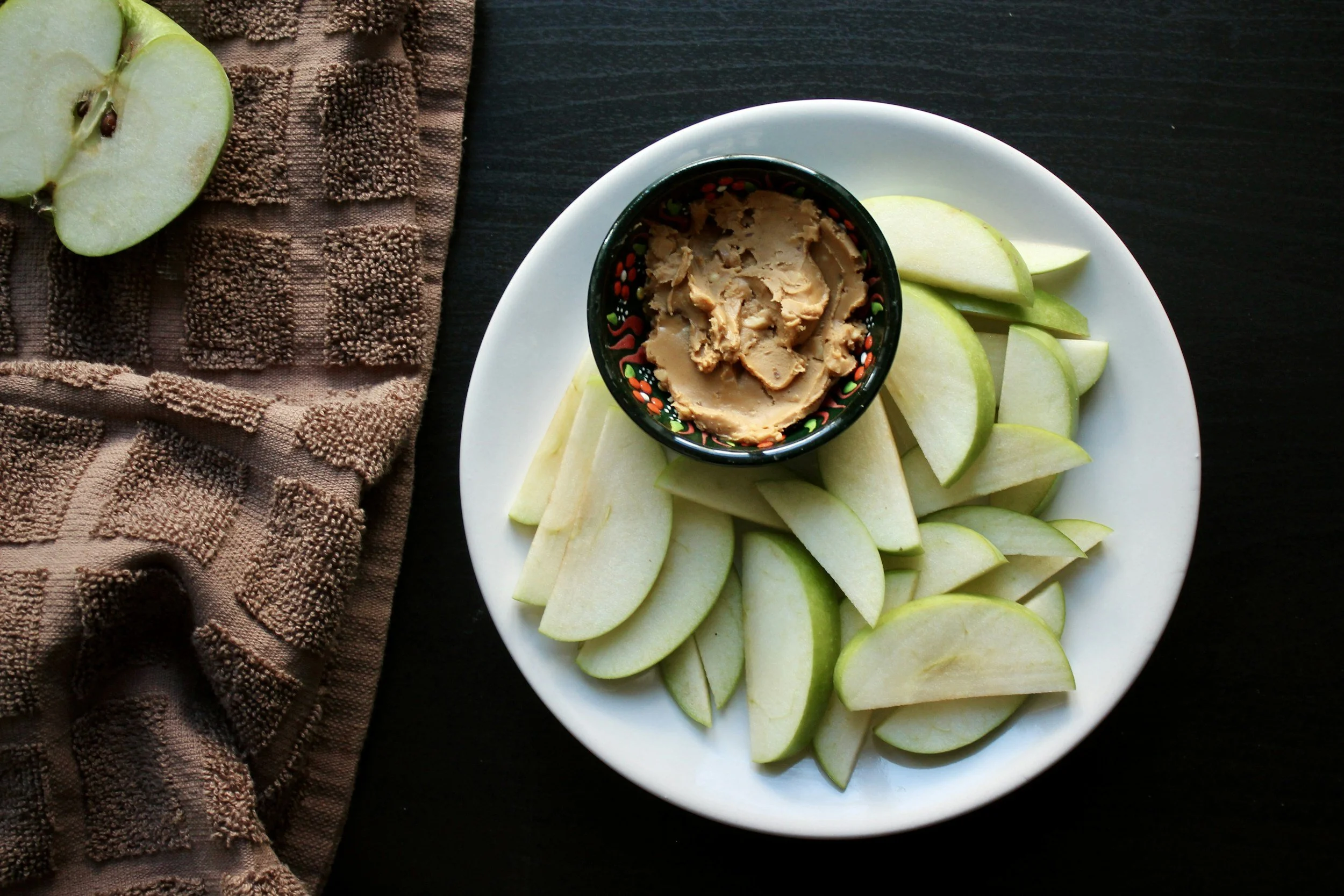
When hunger is the reason for eating, consider snacks with a meaningful source of protein or other foods that provide greater staying power. Depending on dietary preferences, that might mean yogurt, eggs, cheese, nuts, fruit paired with nut butter, or another planned option.
People following more restrictive eating approaches will naturally have a different selection available. Ideas designed around protein-rich animal foods and discussions of carnivoresnax.com provide another perspective on snack choices for those whose diets exclude many conventional options.
The useful test is simple: does the snack comfortably bridge the gap to the next meal, or does it start a cycle of returning for something else every 20 minutes?
Snacking Because a Meeting Is Boring
Remote work has created an unusual situation in which the kitchen may be only a few steps from a meeting.
A camera-off call can quickly become an opportunity to inspect the refrigerator. In an office, communal bowls, birthday cakes, vending machines, and leftover meeting food can produce the same effect.
This is eating for stimulation rather than hunger.
The habit becomes particularly easy to miss because each individual portion may be small. A biscuit during one meeting and a few pieces of chocolate during another hardly seem significant in isolation. Repeat that pattern throughout five working days, however, and it becomes a regular part of the diet.
If certain meetings consistently trigger snacking, replacing the ritual can help. Tea, sparkling water, or simply getting up and walking during an audio-only call may provide the change of stimulation that was actually wanted.
Using Snacks to Compensate for an Inadequate Lunch
Sometimes frequent desk snacking is not the problem at all. It is the symptom.
A tiny lunch eaten in an attempt to be "good" can leave someone genuinely hungry for the entire afternoon. The result may be repeated snacking that ultimately provides more food, and considerably less satisfaction, than a proper lunch would have.
Meals should be substantial enough to support the hours that follow them. Protein can contribute to satiety, while the rest of the meal should reflect the person's dietary pattern, activity level, and nutritional needs.
If intense hunger appears at roughly the same time every afternoon, look at lunch before blaming willpower.
A more satisfying meal may solve the problem more effectively than trying to resist food for several hours.
Turning Coffee Into a Snack Delivery System
Coffee itself may not be the issue. What accompanies it can be.
A morning coffee comes with a pastry. The second cup gets a biscuit. Someone brings cake into the office, so the afternoon coffee gets something too. Eventually the drink and snack become psychologically connected.
Sweetened specialty coffees can add another layer because the drink itself may contain considerable amounts of sugar and energy.
There is nothing inherently wrong with enjoying coffee alongside something sweet occasionally. The important distinction is whether it is a deliberate choice or an automatic pairing repeated several times every working day.
Try occasionally having the coffee on its own. Breaking the association makes it easier to decide when the food is genuinely wanted.