
Retail Space Design That Brings Customers Through The Door
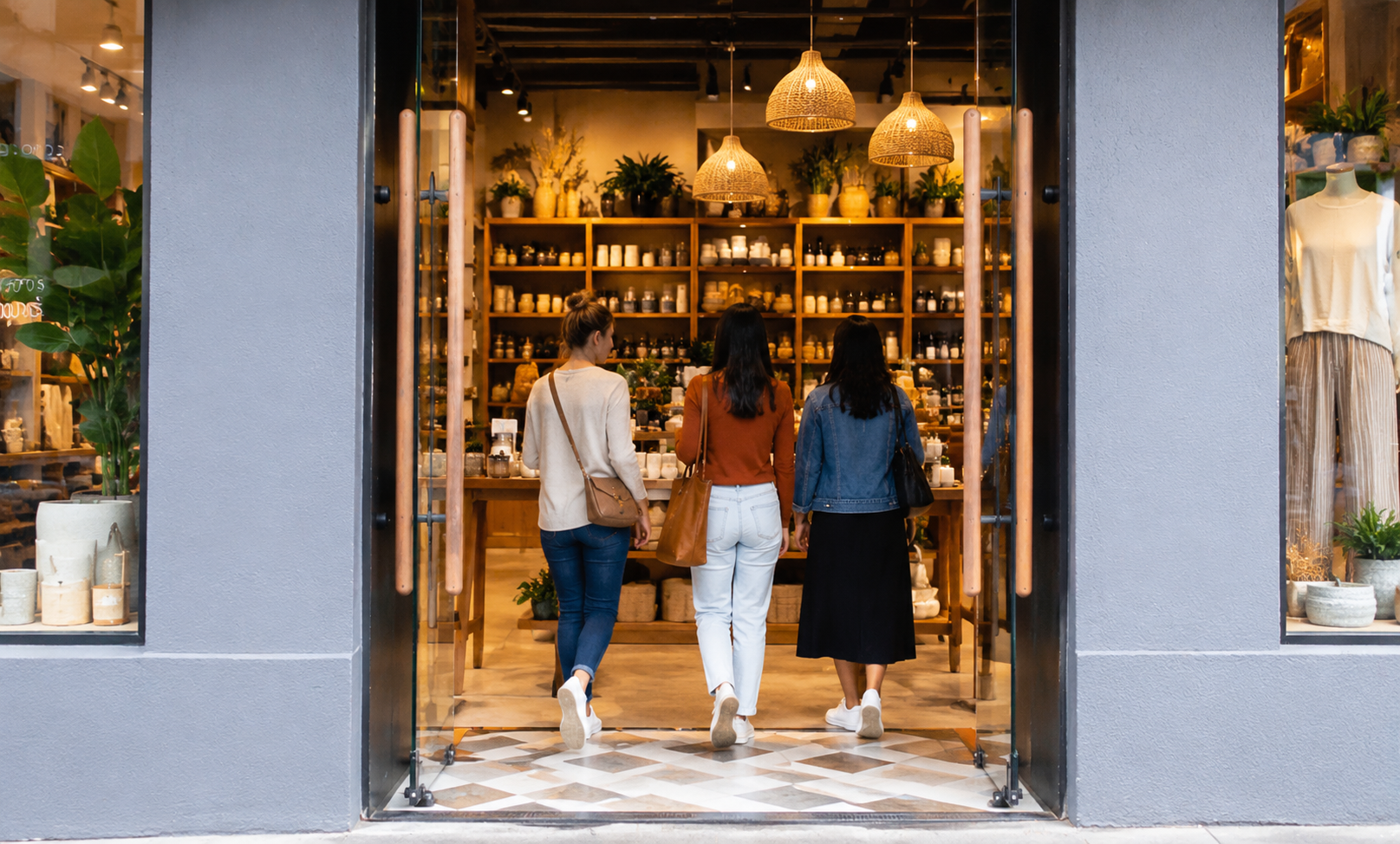
For small business owners, attracting foot traffic begins long before a customer enters the store. Exterior appearance, interior layout, lighting, signage, and overall atmosphere all influence whether someone decides to stop, browse, and eventually make a purchase. While marketing campaigns encourage people to visit, thoughtful retail design helps convert curiosity into meaningful customer engagement.
Make a Strong First Impression
The storefront serves as the first conversation with potential customers. Clean windows, attractive displays, and clear branding communicate professionalism before anyone steps inside.
Entrances should feel open and welcoming. Doors that are difficult to identify, blocked walkways, or cluttered window displays may discourage visitors from entering. Exterior lighting also plays an important role during early morning, evening, or poor weather conditions by making the business appear inviting and easy to find.
Signage should remain readable from multiple distances. Customers should quickly understand what the business offers without feeling overwhelmed by excessive promotional messages. A positive first impression increases the likelihood that pedestrians will become shoppers.
Design a Layout That Encourages Exploration
Customers should be able to move comfortably throughout the store without feeling crowded or confused. Wide walkways, logical product groupings, and clearly defined departments help shoppers browse naturally.
Many retailers position popular merchandise deeper inside the store, encouraging customers to pass additional products before reaching their intended destination. This strategy increases opportunities for impulse purchases while exposing visitors to a broader range of inventory.
High-demand products should remain easy to locate, but the overall layout should encourage exploration rather than directing customers immediately toward the checkout. Regularly observing customer movement patterns can reveal opportunities to improve traffic flow and product placement.
Highlight Key Merchandise
Product presentation influences purchasing decisions as much as the products themselves. Eye-level displays often receive the greatest attention, making them ideal for featured merchandise, new arrivals, or seasonal collections.
Display tables should remain organized and uncluttered. Customers are more likely to interact with products when they can easily compare options without feeling overwhelmed.
Changing featured displays regularly gives returning customers a reason to explore the store again. Even small adjustments create a sense of freshness that encourages repeat visits. Visual hierarchy helps customers quickly identify priority merchandise while maintaining an organized shopping environment.
Create a Comfortable Shopping Environment
Comfort directly affects how long customers remain inside a store. Appropriate lighting, comfortable temperatures, pleasant music, and clean surroundings all contribute to a positive shopping experience. Lighting should highlight products without creating glare or harsh shadows. Music should complement the brand while allowing customers and employees to communicate comfortably.
Adequate spacing between displays prevents the environment from feeling crowded, especially during busy shopping periods. Seating areas can also benefit customers who shop with family members or require occasional breaks. The easier it is for customers to relax, the more time they are likely to spend browsing.
Use Color and Materials Strategically
Interior finishes communicate subtle messages about a business. Neutral colors often allow merchandise to become the visual focus, while accent colors help identify promotional areas or reinforce brand identity.
Flooring, shelving, and fixtures should balance appearance with durability. Materials that remain attractive despite daily customer traffic reduce long-term maintenance costs while preserving a professional appearance.
Natural elements such as wood textures, plants, or daylight can also make retail spaces feel more welcoming without distracting from the products being sold. Consistency throughout the store reinforces brand recognition and creates a more polished customer experience.
Encourage Community Connections
Retail stores often become gathering places within their neighborhoods. Hosting demonstrations, educational workshops, seasonal events, or local partnerships encourages people to visit for reasons beyond making a purchase.
Flexible display areas allow businesses to adapt the space for changing events throughout the year. Local artists, community organizations, or neighboring businesses may also create collaborative opportunities that introduce new visitors to the store. Community engagement strengthens customer relationships while increasing visibility through word of mouth and local participation.
Blend Technology With the Physical Experience
Digital tools can improve convenience without replacing personal interaction. Interactive product information, self-service kiosks, digital price displays, or loyalty program registration stations provide customers with additional information while supporting staff efficiency.
Technology should remain intuitive and complement the overall shopping experience. Overcomplicating the environment with unnecessary digital features may distract customers from the products themselves.
Retailers should also ensure that payment systems operate efficiently because checkout experiences significantly influence customer satisfaction. Convenience often becomes a competitive advantage for smaller businesses.
Adapt the Space as Customer Behavior Changes
Retail design should evolve as shopping patterns change. Sales reports, customer feedback, and direct observation provide valuable insight into how visitors interact with different areas of the store. If certain displays consistently attract attention while others receive little interest, rearranging merchandise or adjusting traffic flow may improve performance. Seasonal changes also create opportunities to refresh layouts without major renovation expenses.
Regular evaluation keeps the shopping environment aligned with customer preferences and business objectives. Even businesses operating from renovated or repurposed structures, including converted metal church buildings, can create highly effective retail environments through thoughtful planning, clear customer pathways, and strong visual presentation.
Measure Success Beyond Sales
Revenue remains an essential performance indicator, but additional measurements help evaluate whether retail design improvements are working. Foot traffic, average visit duration, conversion rates, repeat customer visits, and sales by display location all provide useful information. Comparing these metrics before and after layout changes allows owners to identify which improvements produce measurable results.
Employee feedback also deserves attention because staff members observe customer behavior throughout the day and often recognize opportunities that sales reports alone cannot reveal. Data-driven adjustments help businesses continue refining the customer experience over time.
Small business owners who view retail design as an ongoing business strategy rather than a one-time project position themselves for sustainable growth. Every improvement that makes shopping easier, more enjoyable, and more memorable helps build customer loyalty while creating a stronger foundation for long-term success.
