
How Smart Illumination Improves The Retail Customer Experience
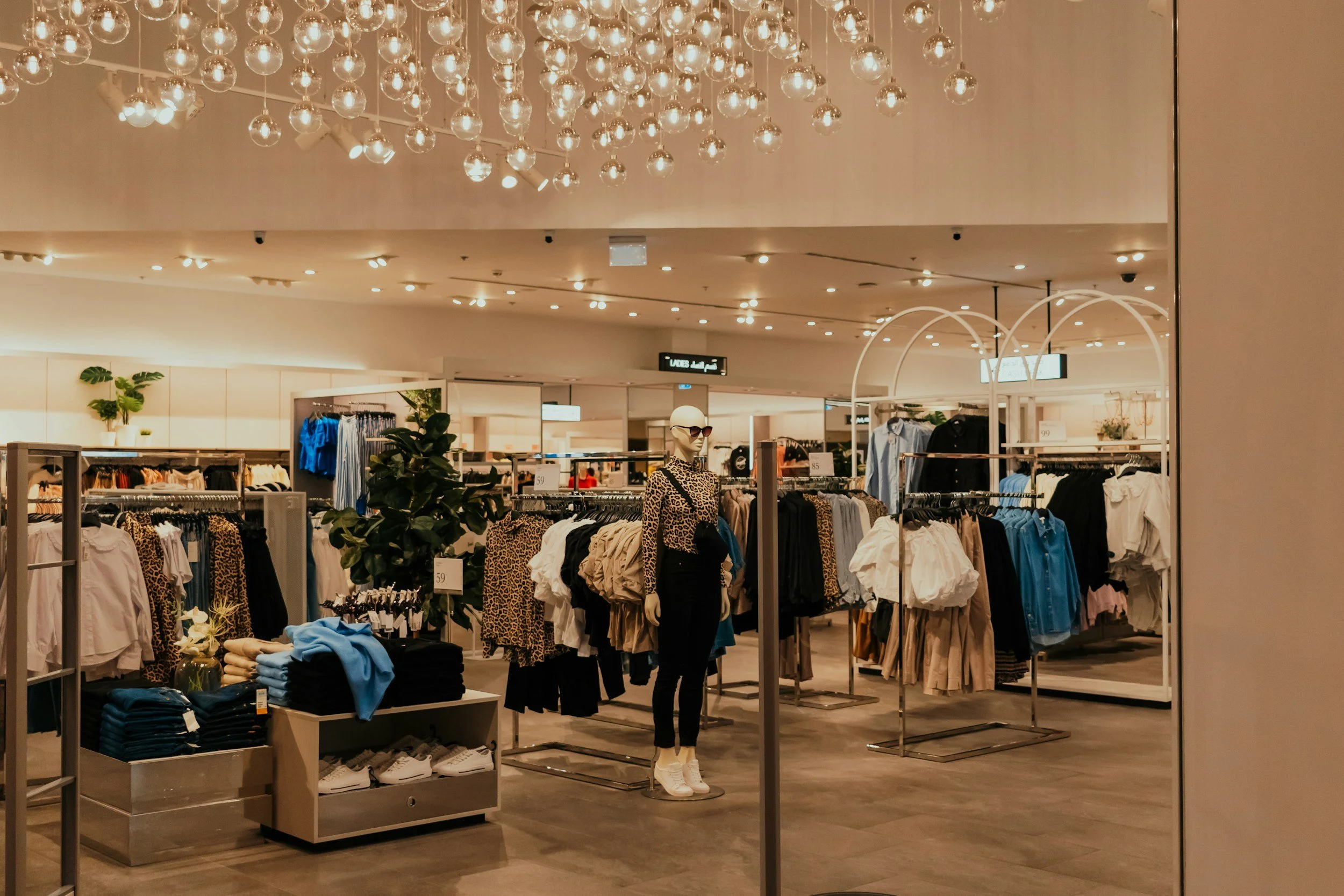
Lighting is one of the most influential elements of a retail environment, yet many small business owners focus on displays, inventory, and signage before considering how customers truly experience the space. The right lighting strategy does far more than brighten a store. It shapes first impressions, influences customer behavior, highlights merchandise, and reinforces brand identity from the moment someone walks through the door.
First Impressions Begin at the Entrance
Customers often decide how they feel about a store within seconds of entering. Lighting plays a major role in that initial judgment. A bright, welcoming entrance creates an inviting atmosphere that encourages people to step inside. Dark entryways, inconsistent lighting, or harsh glare may unintentionally communicate that a store is outdated or poorly maintained.
Window displays also benefit from intentional illumination. Properly lit merchandise attracts attention from passersby and helps distinguish the storefront from neighboring businesses. Strategic lighting can make featured products visible even during evening hours while reinforcing the overall personality of the brand.
Guide Customers Naturally Through the Store
Lighting can quietly influence how customers move throughout a retail space without requiring additional signs or instructions. Brighter areas naturally attract attention, making them ideal for new arrivals, seasonal merchandise, promotional displays, or high-margin products. Softer lighting can help define transition areas while creating a comfortable rhythm as shoppers move through the store.
Rather than creating uniform brightness everywhere, successful retailers often use layered lighting that combines general illumination with accent lighting and focused displays. This approach creates visual interest while encouraging customers to explore sections they might otherwise overlook.
Showcase Products Accurately
Customers want confidence that products appear as they actually look outside the store. Poor lighting can distort colors, flatten textures, or make merchandise seem less appealing. Color rendering is particularly important for clothing, cosmetics, furniture, artwork, and home décor. High-quality lighting allows customers to evaluate products more accurately, reducing uncertainty before making purchasing decisions.
Accent lighting can also highlight premium merchandise without overwhelming the display. Spotlights directed at featured products help establish visual hierarchy while encouraging customers to examine key items more closely. The goal is not maximum brightness. It is creating conditions where merchandise appears natural, attractive, and easy to evaluate.
Match Lighting to Your Brand Identity
Every retail business creates a specific atmosphere. Lighting should reinforce that experience. A boutique clothing store may benefit from warmer lighting that encourages customers to browse comfortably. An electronics retailer often uses brighter, cooler lighting that communicates precision and modern technology. Specialty food shops may adjust lighting to enhance the appearance of fresh products, while bookstores often create relaxed environments that encourage longer visits.
The lighting strategy should support the brand rather than compete with it. Consistency between décor, colors, signage, and illumination helps customers develop stronger recognition and trust. When every design element works together, the store feels intentional instead of accidental.
Improve Customer Comfort
Customer experience depends on comfort as much as appearance. Poor lighting creates eye strain, uneven visibility, and unnecessary frustration. Dark corners may discourage customers from exploring certain areas, while excessive glare can make reading labels or comparing products difficult. Flickering fixtures or inconsistent color temperatures may also reduce the perceived quality of the shopping environment.
Comfortable lighting allows shoppers to focus on products instead of the environment itself. Customers who feel relaxed are generally more willing to spend additional time browsing multiple departments. Small adjustments such as eliminating harsh shadows, balancing brightness throughout the store, and reducing glare often produce noticeable improvements without requiring a complete renovation.
Support Employee Productivity
Retail lighting influences employees as well as customers. Well-lit workstations improve accuracy during checkout, inventory management, merchandising, and customer service. Staff members who can clearly read labels, organize displays, and assist customers efficiently contribute to smoother daily operations.
Break rooms, offices, and stock areas also deserve appropriate lighting. Employees spend many hours inside the building, and comfortable working conditions support productivity throughout the day. A thoughtful lighting plan benefits every part of the business rather than focusing only on customer-facing areas.
Increase Energy Efficiency Without Sacrificing Quality
Modern LED technology allows small businesses to improve lighting while reducing long-term operating expenses. LED fixtures generally consume less electricity, require fewer replacements, and produce less heat than many older lighting systems. Smart lighting controls can further improve efficiency by adjusting brightness based on occupancy or available natural light.
Energy savings become especially meaningful for retailers operating long business hours throughout the week. Before upgrading equipment, owners should evaluate fixture placement, beam angles, color temperature, and product presentation rather than replacing bulbs alone. A comprehensive lighting assessment often produces better results than isolated improvements. Some businesses undertaking larger electrical renovations also consult experienced industrial electrical contractors to help evaluate infrastructure requirements and ensure lighting systems support long-term operational needs.
Review Lighting Regularly
Retail environments continue changing as inventory, seasonal displays, and customer behavior evolve. Lighting should be evaluated periodically rather than installed once and forgotten. Walk through the store as if you were a first-time customer. Look for dim displays, distracting glare, burned-out fixtures, or products that appear less attractive than they should.
Customer feedback can also provide useful insight. If shoppers frequently overlook certain sections or comment that products appear different at home, lighting may be contributing to those experiences. Regular maintenance keeps fixtures operating consistently while preserving the overall appearance of the store.
Small business owners do not need unlimited budgets to benefit from better illumination. Thoughtful placement, consistent maintenance, energy-efficient technology, and lighting choices that match the store’s purpose can significantly improve the customer experience. When shoppers enjoy spending time in a retail environment and can clearly appreciate the products on display, businesses create stronger opportunities to build loyalty, encourage repeat visits, and support sustainable long-term growth. Look over the infographic below to learn more.
