
Office Space Optimization Tips That Power Sustainable Expansion
A growing company does not have to mean a bigger footprint. Smart teams wring more value from every square meter, using data, layout tweaks, and flexible storage to scale without waste. The payoff is lower costs, a greener profile, and room to adapt when demand shifts.
This guide shares practical tactics that work in the real world. You will learn how to measure what you use, rightsize what you keep on site, and set up spaces that adjust to changing headcount. The goal is simple: do more with less while keeping people productive and comfortable.
Measure What Matters First
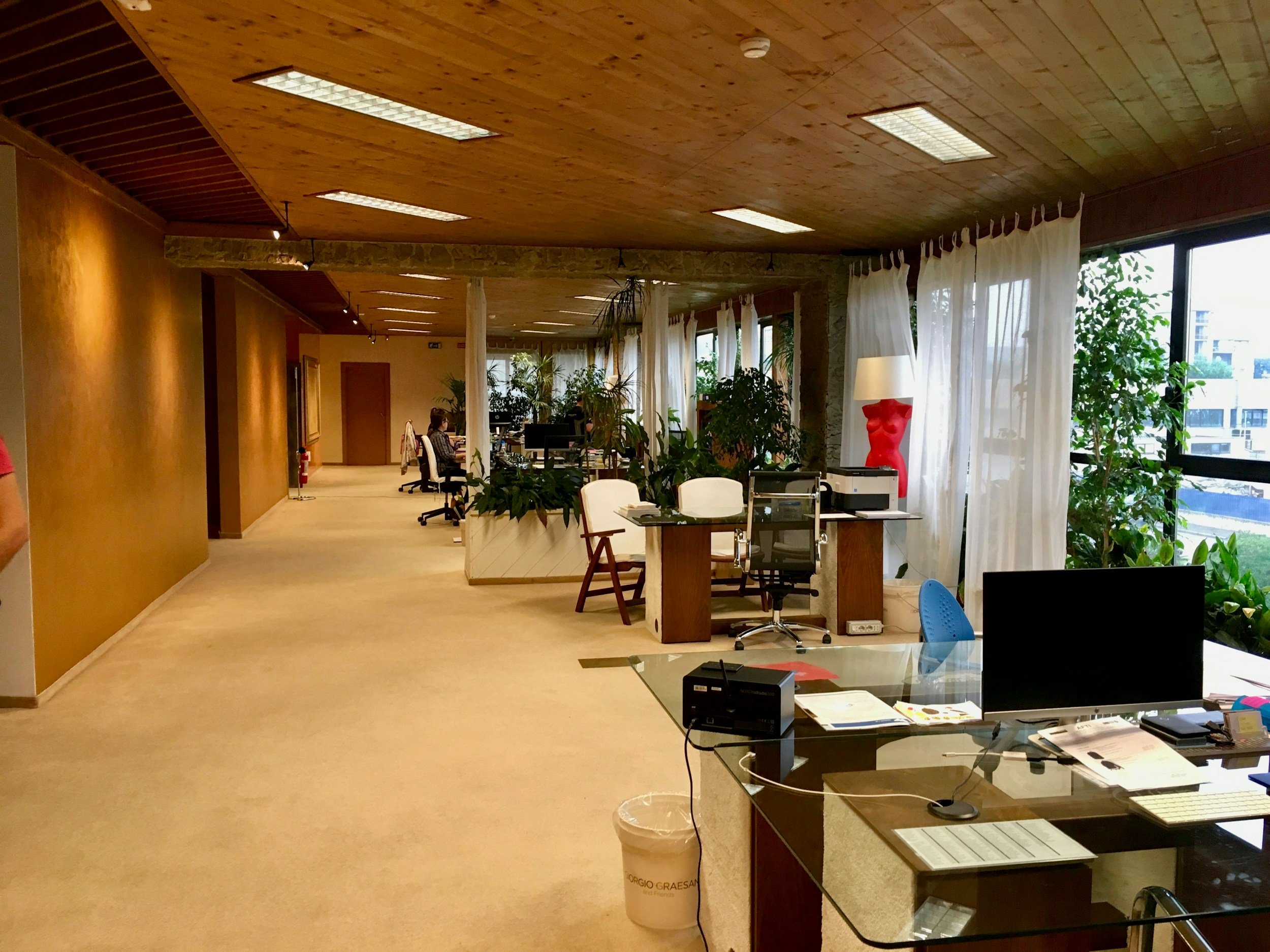
Before you redesign, capture a baseline. Track seat usage, meeting room turns, and peak days so you know what to change. Even a two-week sample can reveal what is underused and what is strained.
Treat data like a map for your next steps. If Tuesday and Wednesday are your busiest days, plan staffing and room allocations around that pattern. If a 12-person room never sees more than 5 people, split it into two small rooms.
A workplace research shows utilization trending up after years of volatility, which means each desk and room matters more. One major corporate survey noted that average office utilization climbed notably compared with 2024, a signal to tighten how spaces are scheduled and shared.
Design For Flex
Choose modular furniture and movable walls so rooms can shift between focus, collaboration, and training. Keep heavy construction to a minimum and solve with adaptable pieces. You will spend less now and change faster later.
Storage and archives should not lock up prime real estate. For overflow items and seasonal gear, consider options near your site like local storage units in Hallam to keep the core floorplate lean, and then reserve on-site space only for what staff need daily. This reduces clutter, speeds cleaning, and makes moves simpler.
Plan for peaks rather than designing for them. If you host quarterly events or onboarding waves, build temporary capacity through flexible layouts and short-term storage, then revert to your calm baseline when the surge passes.
Reduce, Reuse, Replan Your Footprint
Start by trimming underused areas. If a wing sits half empty, consolidate teams and sublet or mothball that zone. Savings can fund tech or fit-out upgrades that increase productivity.
Create shared neighborhoods for roles with similar work patterns. Mix quiet corners, small huddle spots, and touchdown benches in each zone. People get variety without walking a marathon each day.
A workplace magazine reported strong momentum to shrink footprints, with most companies having already cut space and many planning further reductions. That trend supports a careful approach to expansion, so invest in flexibility and efficiency before signing for more floors.
List assets you can offload or store off-site.
Rank zones by utilization and cost to operate.
Pilot a smaller layout on one floor, then scale the winner.
Right-Size Meeting Rooms And Focus Areas
Audit your room mix with booking data and headcounts. Most meetings are small, so make more 2 to 4-person spaces and fewer boardrooms. Equip each with simple displays and reliable microphones.
Add focus pods or library zones for deep work. Mark them as quiet areas and place them away from social hubs. When people find concentration easily, they spend less time hunting for a spot.
Keep rooms honest with clear use rules and visible occupancy indicators. If a room is empty but “booked,” allow a short grace period before it becomes available for walk-ins. This keeps space flowing on busy days.
Externalize Low-Value Storage
On-site storage is expensive, as it requires office space for warehouse work. Move seasonal banners, event gear, print overflows, and archive boxes off-site. Keep a simple index so anyone can request an item and get it delivered fast.
Set service levels by item type. Daily-use supplies live on site. Weekly-use items sit in a nearby locker. Rarely used archives stay farther away with notice required. This framework keeps costs down while meeting real needs.
Industry coverage highlighted how widespread and full the self-storage sector has become in Australia, with high facility counts and strong occupancy. That maturity means reliable options for businesses that want to slim their floorplate without losing access to stuff they still need sometimes.
Automate For Energy And Comfort
Install occupancy sensors for lighting and HVAC so empty zones do not burn energy. Tie them to booking systems to precondition rooms just in time. Staff stay comfortable, and you cut waste without manual effort.
Use laptop docks and standardized peripherals to speed seating. When any desk can become your desk in seconds, people float smoothly to where space is open. Fewer fixed seats means more adaptable floors.
Track comfort feedback alongside energy data. If complaints spike at 3 pm near a sunny window band, adjust blinds or airflow. Small tweaks add up to better morale and lower energy bills, and well-fitted indoor blinds can do a lot of the heavy lifting by cutting glare and reducing the load on your cooling system.
Map sensor data to floor plans to see waste hot spots.
Set auto shut-off timers that reflect your busiest days.
Review monthly energy reports and iterate on settings.
Fit-Out With A Long Game
Choose durable finishes that stand up to rearranging. Raised floors, demountable partitions, and universal power points reduce rework when the plan changes. You pay once and reuse often.
Invest in acoustic performance. Soft surfaces, ceiling baffles, and door seals let teams collaborate without spreading noise. Better sound control supports higher density and fewer private rooms.
A major workplace report this year pointed to rising utilization, which raises the bar on fit-out choices that handle heavier use. Materials and systems that absorb traffic gracefully will save repairs and downtime.
Make Hybrid Your Space Multiplier
Adopt team agreements on in-office days to balance peaks. Stagger anchors by function so not everyone picks the same days. This protects meeting capacity and keeps social energy steady.
Equip a few broadcast-ready rooms for training and all hands. Good cameras, simple controls, and consistent lighting turn any session into a reusable asset. Reuse reduces repeat meetings and frees rooms.
Train managers to schedule by purpose, not habit. If the work is writing and analysis, encourage home days. If it is brainstorming and relationship building, bring people in. Intentional hybrid planning prevents waste on both sides.
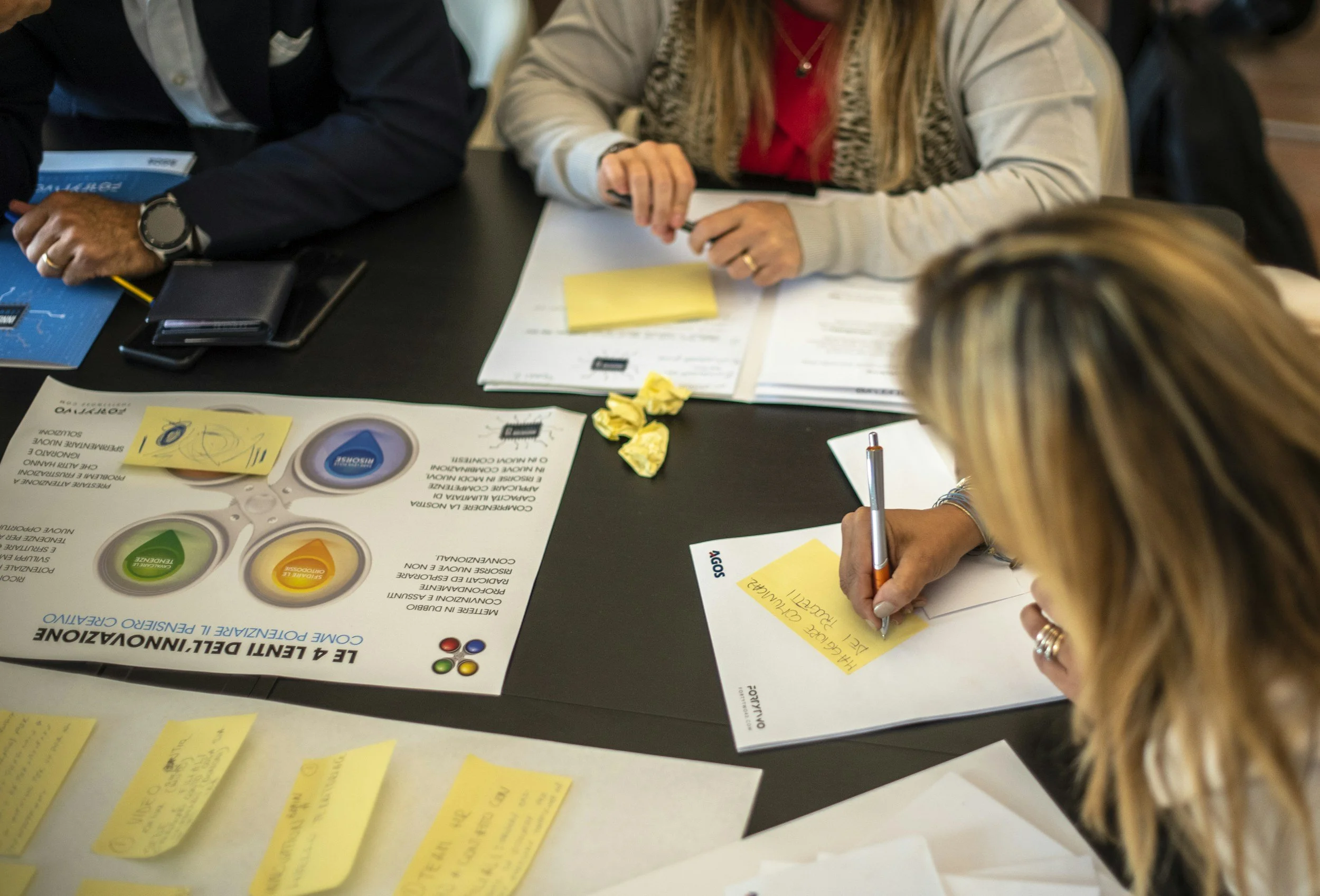
A stronger workplace is smarter. By measuring usage, embracing flexible layouts, and using nearby storage for overflow, you can support growth without overbuilding. These steps protect budgets and reduce emissions while giving people the right spaces for the work at hand.
Sustainable expansion is a continuous practice. Keep tuning sensors, room mixes, and hybrid rhythms as your business evolves. When your office can adjust quickly, so can your teams.