
Mastering Project Management for Infrastructure Upgrades
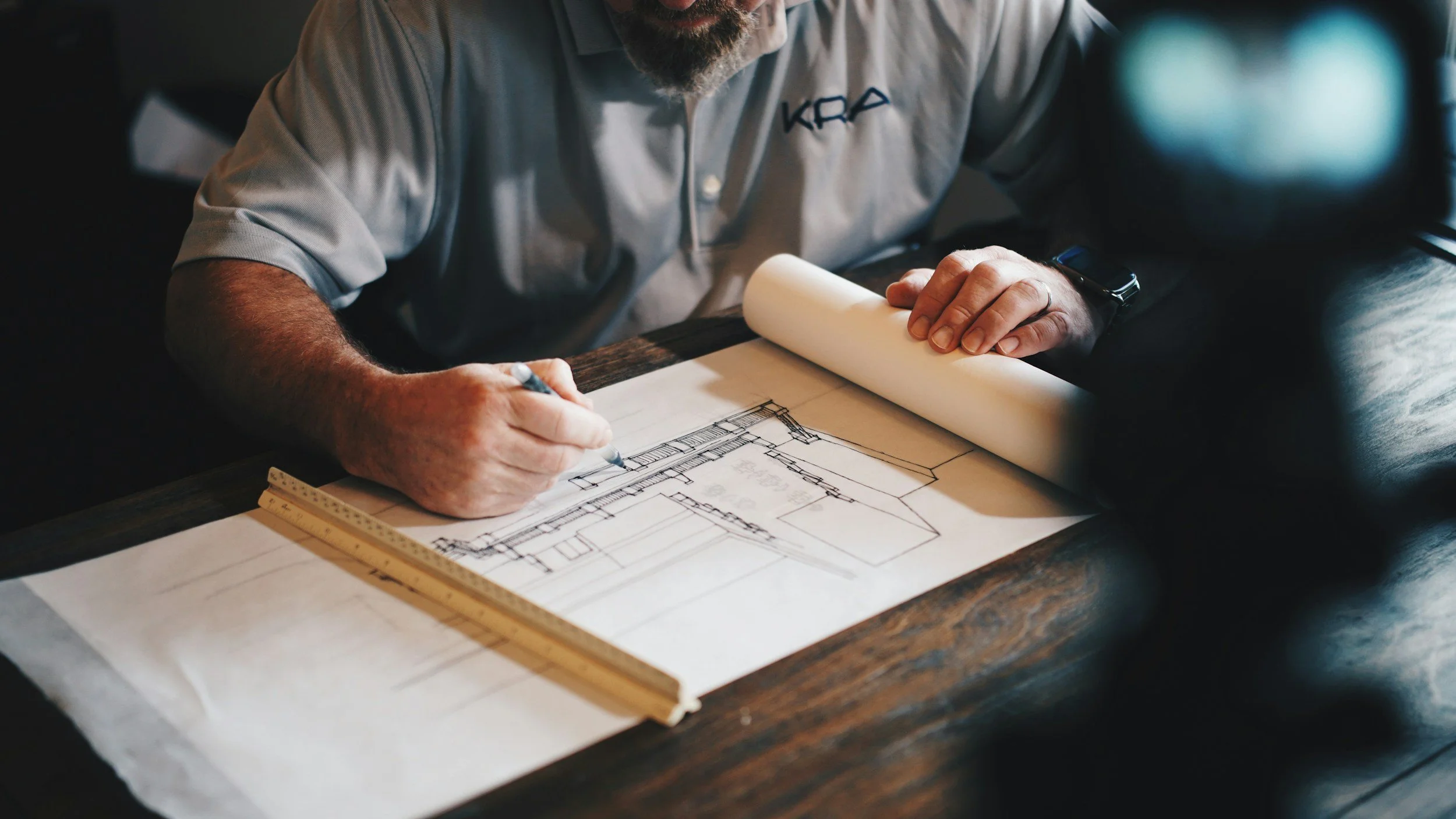
An aging office building or a newly leased retail space often needs some infrastructure upgrades. These projects, whether overhauling the HVAC system or updating electrical wiring, demand a significant investment of time and money. Managing these upgrades well is crucial not just for finishing on time and on budget, but also for making sure your business environment is safe and functional long-term.
With a clear process, you can turn a potentially stressful undertaking into a smart improvement for your company.
Planning Your Project Scope
Before you can hire a single contractor or buy any materials, you need a crystal-clear idea of what the project involves. This is the first step: figuring out exactly what needs to be done. Start by listing out all your requirements in detail. Separate the "must-haves," like replacing a faulty heating system, from the "nice-to-haves," such as installing smart lighting. This helps you prioritize your budget and efforts.
Once you have your list, define the project's limits. Are you upgrading just one floor or an entire building? Knowing the difference between a self-contained project and a larger series of related upgrades helps you choose the right management approach; it's useful to understand the key differences between program and project management to frame your thinking. Set a realistic budget that includes a contingency fund, usually 10-15% of the total cost, to cover unexpected issues. Finally, create a preliminary timeline that outlines the main phases, from design and permitting to construction and final inspection.
Selecting the Right Partners
Your project's success largely depends on the team you put together. For most major infrastructure upgrades, you'll need a general contractor to oversee the whole job. However, for highly specialized work, you'll also need to vet and hire experts directly. This could mean structural engineers, IT network specialists, or commercial plumbers. When you're evaluating potential partners, look beyond just the price. Ask for references from past clients who had similar projects, verify their licenses and insurance, and review their past work.
For critical safety systems, it's especially important to choose a certified professional. For example, if your upgrade involves meeting modern fire safety codes, you will need to hire a qualified fire curtain installer instead of relying on a generalist. These specialists understand the specific compliance rules and technical requirements to make sure the system works correctly and passes inspection. Taking the time to build the right team from the start prevents costly mistakes and delays later on.
Monitoring Progress and Quality
With a solid plan and the right team in place, your job shifts to watching the project unfold. This doesn't mean you need to be on-site every day, but it does require a way to stay informed and ensure quality standards are met. Schedule regular check-in meetings, weekly or bi-weekly, with your general contractor or project lead. These meetings are your chance to review progress against the timeline, discuss any challenges, and approve next steps.
Set up a clear way to communicate. Who is your main point of contact? How will changes or unexpected costs be documented and approved? Using shared documents or simple project management software can help keep everyone on the same page. It’s also smart to do your own periodic walk-throughs to visually check the quality of the work. Applying core project management techniques like consistent monitoring and clear communication will help you keep the project on track and ensure the final result meets your expectations.
Ensuring Long-Term Asset Protection
The project isn’t truly finished when the last worker leaves. The final phase involves properly closing out the project and putting things in place to protect your new investment. This starts with gathering all essential documents. Collect all warranties, user manuals for new equipment, and as-built drawings that show the final, installed state of all systems. Store these documents in a secure, accessible spot, both digitally and in hard copy.
Next, set up a preventive maintenance schedule for all new infrastructure. Your new HVAC system, fire safety equipment, and other assets will need regular service to work efficiently and last their full expected lifespan. Your contractors should provide you with recommended maintenance schedules. By formalizing this process, you protect your investment, ensure ongoing safety and compliance, and minimize the risk of expensive emergency repairs in the future.
Managing an infrastructure upgrade is a big responsibility, but breaking it down into these distinct phases makes it much more manageable. A well-executed project not only improves your physical workspace but also builds your confidence as a leader capable of handling complex business challenges.