
How to Safeguard Your Business Against Property Vandalism
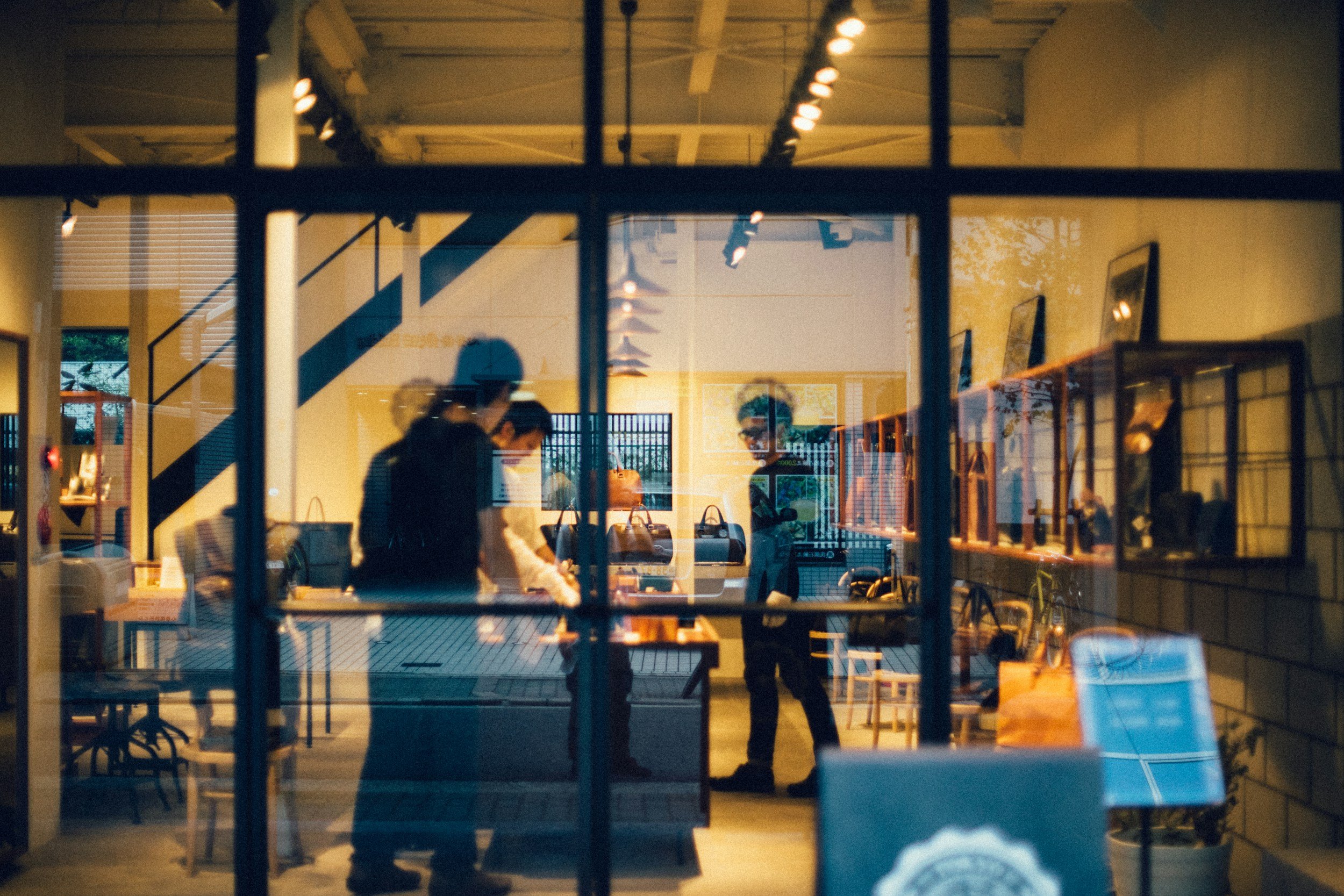
As a business owner, you put a lot into your space. You pay the bills, fix what breaks, keep the doors open, and try to make the place feel welcoming to customers and comfortable for your staff. So when someone damages your property, it can feel like more than a repair bill.
Vandalism can disrupt your day, leave customers with the wrong impression, and force you to spend time on repairs, insurance, and cleanup. You can't prevent every incident, but you can make your property a less appealing target and have a plan for dealing with damage when it happens.
Understanding Vandalism's Impact
The cost of vandalism isn't limited to whatever needs fixing. A broken window, damaged sign, or wall covered in graffiti can mean an unexpected expense, which can be particularly frustrating when you're already working with a tight business budget.
There's also the impression your property gives people. Graffiti, broken fixtures, or neglected areas can make customers wonder whether the business is safe or well looked after. Your employees may feel uneasy coming to work, too.
Then there's your own time. Instead of focusing on customers, staff, or the business itself, you're chasing contractors, documenting damage, filing insurance claims, and figuring out how to get things back to normal.
Deterrent Strategies for Small Businesses
You don't need to turn your property into a fortress to make it less attractive to vandals. Start with the areas that are easiest to overlook.
Good exterior lighting is one of the simplest places to start. Motion-activated lights around entrances, side doors, alleys, and other poorly lit areas can make it harder for someone to work unnoticed. Vandals looking for a quiet, dark spot may simply move on when the area suddenly lights up.
Cameras can help for the same reason. Visible security cameras signal that your property is being monitored. If a full security system isn't in your budget, even improving visibility around the property can help.
Pay attention to the building's condition, too. Broken lights, overflowing bins, damaged fences, and graffiti that stays up for weeks can make a property look unattended. Keeping those things in check gives you fewer obvious weak points. You can also look through these vandalism prevention tips for additional ways to secure your premises.
Effective Cleanup and Restoration
Even if you take every sensible precaution, vandalism can still happen. When it does, don't let the damage sit longer than necessary.
A quick cleanup helps restore the appearance of your property and removes some of the signs that no one is paying attention to it. Graffiti is a good example. Leaving it on a wall for days can make the property look neglected and may encourage more tagging.
For graffiti in particular, using a professional graffiti removal service can save you from making the damage worse. Paint removal needs to be handled differently depending on the surface, and the wrong cleaning method can leave marks or damage the underlying material.
For broken windows, damaged doors, locks, or other security problems, address them first. Your priority should be to secure the property again, then restore its appearance.
Choosing the Right Support Team
The worst time to look for a contractor or locksmith is after your front window has been smashed. Build your contact list before you need it.
Start with your insurance agent. Know what your policy covers, what documents you'll need, and how to report vandalism. It's better to have these details ready than to figure them out during an emergency.
You should also have a handyman or contractor you can call for quick repairs. Keep their number somewhere easy to find, along with contacts for a locksmith, security company, and restoration service. Taking preventative measures for business risks can help you prepare for these situations before they happen. Having trusted contacts ready means you won't have to waste time looking for help.
You can't stop every act of vandalism, but you can make your property harder to target and respond quickly when something happens. A few simple precautions and reliable contacts can help keep a bad situation from getting worse.