
How the Right Merchant Account Can Support Small Business Growth
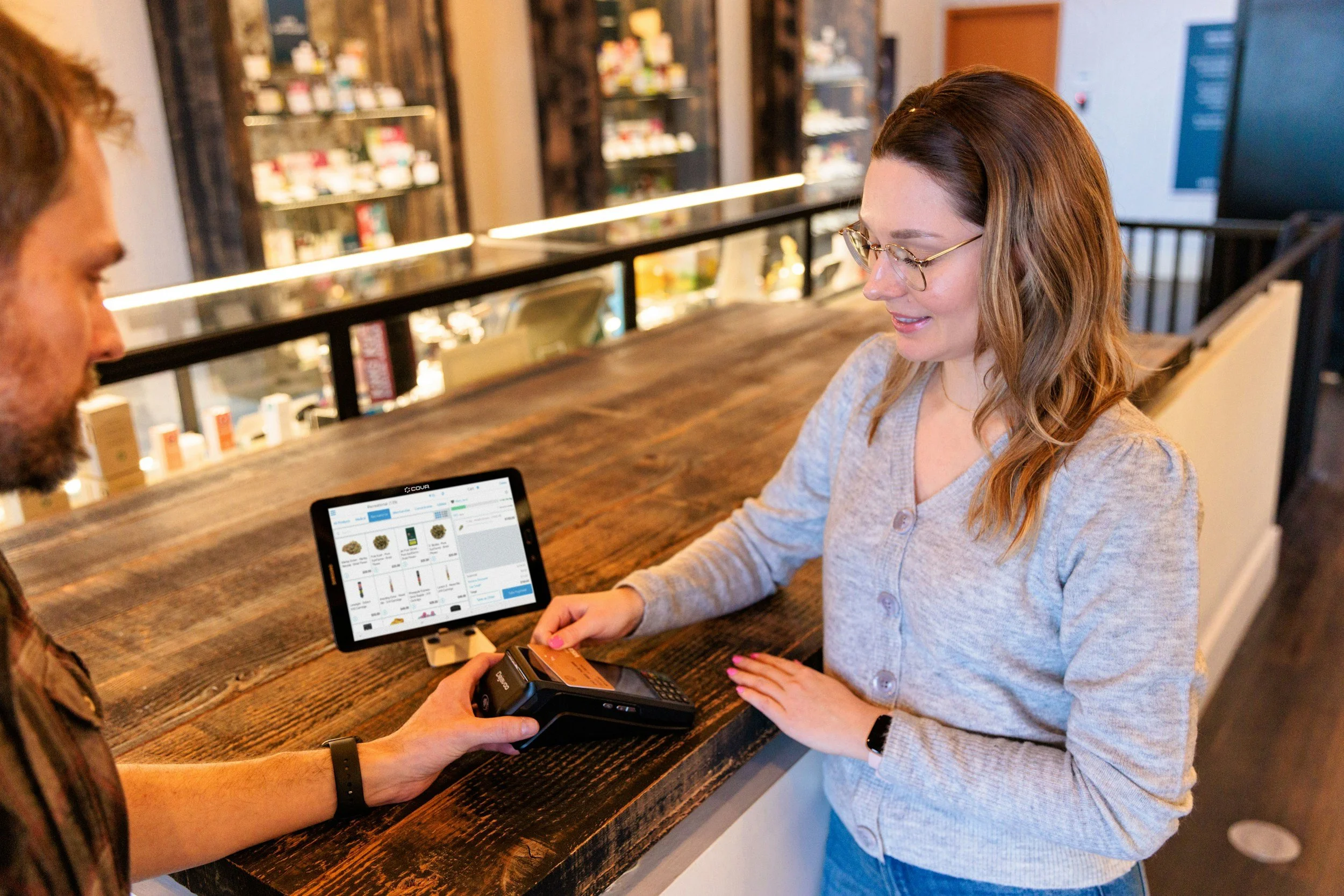
You've done the hard part. You built something people want to buy. Then you discover that actually getting paid is its own project, complete with processing fees, settlement delays, chargebacks, and the occasional frozen account that appears out of nowhere on a Friday afternoon.
Most small business owners treat their merchant account as plumbing: necessary, boring, and not worth thinking about once it's set up. That's a missed opportunity. The way you accept payments touches your cash flow, your customer experience, your ability to expand into new channels, and sometimes whether you can operate at all. Choosing the right merchant account isn't just an admin task. It's a growth decision. Here's why.
What a Merchant Account Actually Does
A merchant account is the arrangement that lets your business accept card and digital payments and receive the funds in your bank account. It sits between your customer, the card networks, and your bank, handling authorization, settlement, and risk.
The provider you choose determines:
How much you pay per transaction and in monthly fees
How quickly money lands in your account
Which payment methods you can accept
How chargebacks and disputes are handled
Whether your account stays open when your volume spikes or your industry gets flagged
Those five things add up to a lot of influence over how smoothly your business runs.
Cards Are Where Your Customers Already Are
If you're still leaning on cash, checks, or bank transfers, you're swimming against a very strong current. According to the Federal Reserve, cards accounted for 79% of all noncash payments by number in the United States in 2024, up from 71% in 2015.
Customers expect to tap, swipe, or click. If your checkout can't handle that quickly and reliably, some of them will simply go elsewhere. A merchant account that supports the payment methods your customers actually use removes friction at the exact moment they've decided to buy.
Cash Flow Depends on Settlement Speed
Growth eats cash. Inventory, payroll, marketing, and new hires all need funding before the revenue they generate shows up. If your provider holds funds for several days, or places rolling reserves on your account, you're effectively lending your own money to your processor.
Look closely at settlement terms before you sign. Next-day funding versus a five-day hold can be the difference between comfortably covering a supplier invoice and scrambling for a bridge loan.
Not Every Business Fits the Standard Mold
Here's something a lot of founders learn the hard way: mainstream processors are quick to close accounts in industries they consider risky. That list is longer than you'd expect. Subscription services, CBD and wellness products, travel, coaching, supplements, ticketing, firearms accessories, adult products, and businesses with high average ticket sizes or elevated chargeback rates all tend to get flagged.
When that happens, a business can lose the ability to accept payments overnight. That's where a high risk merchant account comes in. Providers that specialize in this space are built to underwrite businesses that traditional processors avoid, with fee structures, reserve policies, and fraud tools designed around the actual risk profile of the industry rather than a blanket refusal. CARDZ3N, for example, works with merchants across these categories to keep payments flowing and accounts stable, so growth isn't interrupted by a compliance department that doesn't understand the business. If you've ever been dropped by a processor, or you're launching in a category you suspect might be flagged, finding a specialist early saves a lot of pain later.
Chargeback Protection Is Growth Protection
Every business gets chargebacks. The question is how many, and what happens when they arrive. Too many, and processors raise your fees, hold more of your money, or shut you down.
A good merchant account provider helps you stay ahead of this with tools like:
Real-time fraud screening on transactions
Alerts that let you refund a disputed charge before it becomes a chargeback
Clear descriptors on customer statements so people recognize your charges
Reporting that shows you where disputes are coming from
These features aren't glamorous, but they protect the account that your entire revenue stream depends on.
Room to Scale Without Switching
The merchant account that works for a business doing $10,000 a month may not work at $200,000. Volume caps, tiered pricing, and limited integrations can quietly become bottlenecks.
Ask prospective providers how they handle growth. Can you add new sales channels, such as online, in-store, mobile, or recurring billing, without opening separate accounts? Will your rates improve as volume increases? Can they support multiple currencies if you start selling internationally? Choosing a provider with headroom means you won't have to migrate payment systems in the middle of your busiest year.
Read the Fee Structure Like a Contract, Because It Is One
Processing fees compound. A difference of half a percent doesn't sound like much until you multiply it by a year of sales. Beyond the headline rate, watch for monthly minimums, PCI compliance fees, early termination penalties, gateway fees, and charges for batch settlement. Ask for a full schedule in writing, and compare providers on total cost, not just the advertised rate.
Conclusion
A merchant account is easy to overlook, but it quietly shapes how much of your revenue you keep, how fast you can reinvest it, and whether your ability to get paid survives the surprises that come with growth. The right provider offers fair pricing, quick settlement, solid fraud protection, and the flexibility to expand across channels.
For businesses in industries that mainstream processors shy away from, working with a specialist who understands your risk profile can be the difference between steady scaling and a sudden, avoidable stall. Treat the decision with the same care you'd give a key hire, and your payments infrastructure will support your growth instead of limiting it.