
How Smarter Waste Systems Support Sustainable Growth
In this day and age, all companies have the responsibility to ensure that they’re contributing positively to the environment.
Smarter waste systems are helpful in supporting sustainable growth by using advanced technology like IoT and Artificial Intelligence. These are all helpful to enhance efficiency whilst also reducing the company’s impact on the environment.
With this guide, we’ll look at how smarter water systems support sustainable growth in 2026 and beyond. There’s always something to be done as a business when it comes to sustainable efforts being made.
Optimized waste collection
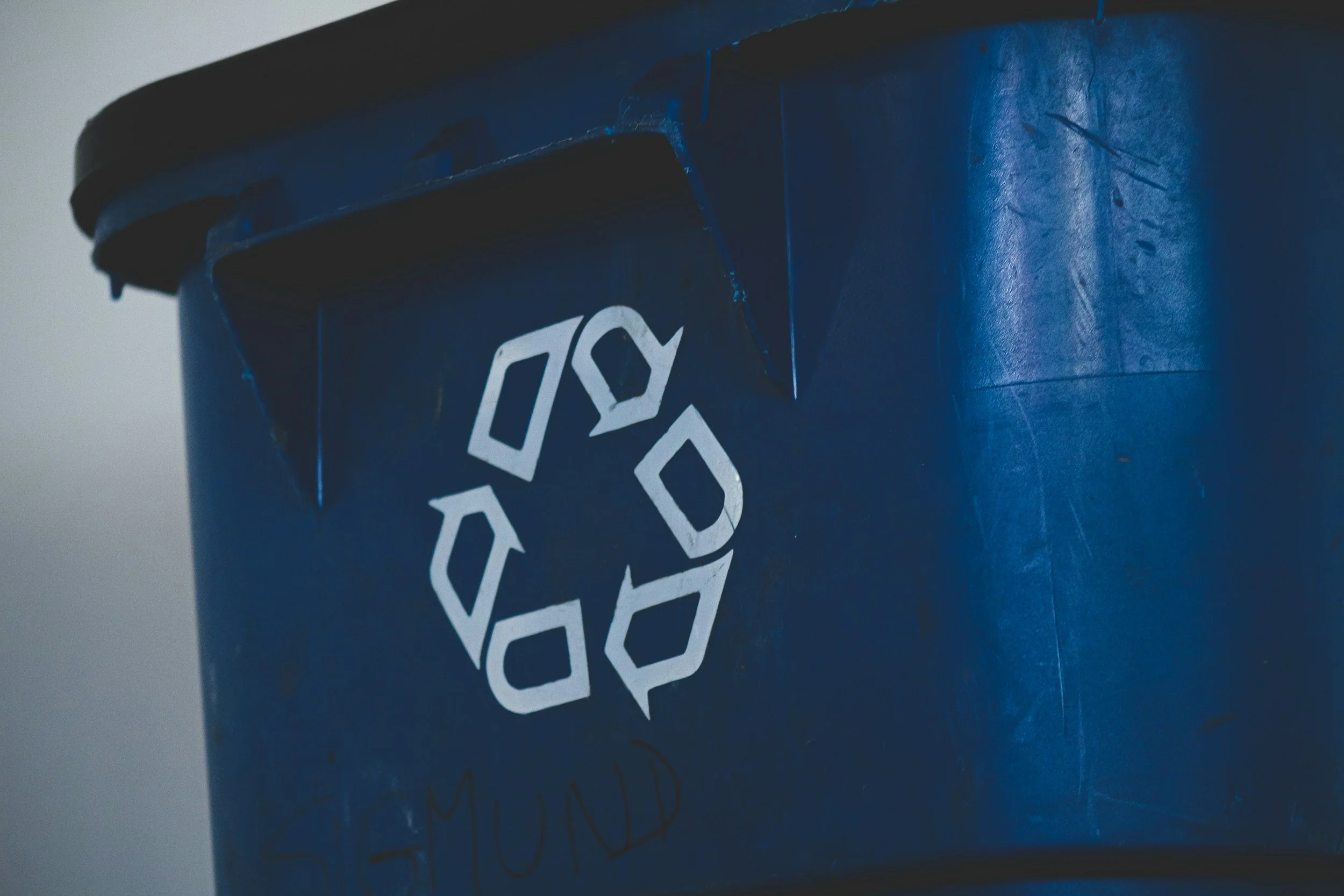
Optimizing your waste collection is a good way of helping trigger collection only as and when it’s really needed. IOT sensors in bins can monitor fill levels in real-time. This ultimately leads to a dynamic and AI-optimized collection route where the number of waste collection vehicles on the road can be reduced.
Partnering with such waste collection companies with IoT sensors on bins is great for lowering fuel consumption, greenhouse gas emissions, and operational costs - working with a dedicated rubbish removal company like Ridly Rubbish Removal ensures that the actual collection and disposal side is handled reliably alongside these smarter systems.
Enhanced recycling and resource recovery
AI and robotics have helped many material recovery facilities improve their speed and accuracy with waste sorting.
It can even distinguish, in some cases, between different types of plastic. As such, it can reduce contamination of recycling streams, which helps increase the quality and volume of recovered materials.
To help reduce cardboard storage footprint and waste volumes in general, this technology helps to make recycling more economically viable.
Businesses aiming to minimize their environmental impact often find compacting waste materials a crucial step before recycling. This process not only optimizes storage space but also reduces transportation costs, making the entire recycling chain more efficient. For secure compaction, particularly of cardboard, plastics and other fibrous materials, reliable baler wire is essential. Such wire ensures bales remain tightly bound and structurally sound during handling and transport to recycling facilities, preventing contamination and maximizing material recovery.
Data-driven decision making
Smart systems help provide valuable data and analytics when it comes to waste generation planners. As such, it can help businesses to implement the necessary waste reduction strategies required in order to better allocate resources.
The use of predictive analysis can also be helpful when forecasting future waste volumes, which is useful for proactive planning and infrastructure improvements.
Improved public health and urban environments
Proactive overflow prevention helps eliminate overflowing bins, odors, and pests, which can often come with it.
Making use of automated systems is also helpful for preventing all of the above and helping improve public and private surroundings on business premises.
Promoting a circular economy
With maximized resource recovery and encouraging the reuse and recycling of all materials, smart waste systems help contribute to the circular economy that many businesses are aiming to achieve in 2026 and beyond.
Keeping resources in use for as long as possible is crucial for the economy’s success.
Transparency and compliance
Advanced tracking systems and technologies are great for providing transparent and audit-ready data for environmental, social, and governance reporting. As well as regulatory compliance, digital waste tracking is a great use of technology and one that helps companies attract consumers who are driven by brands with sustainability efforts at the forefront.
Community engagement
Engagement with the community is something you can do with the general public, too. Educating them about their own waste habits and incentivizing proper recycling and waste reduction with incentives and rewards is a good way of fostering a culture outside of the workplace with staff and customers in general.
It’s helpful to do everything you can to improve your waste systems and support sustainable growth as a business in 2026.