
3 Ways to Improve Security in Commercial Buildings
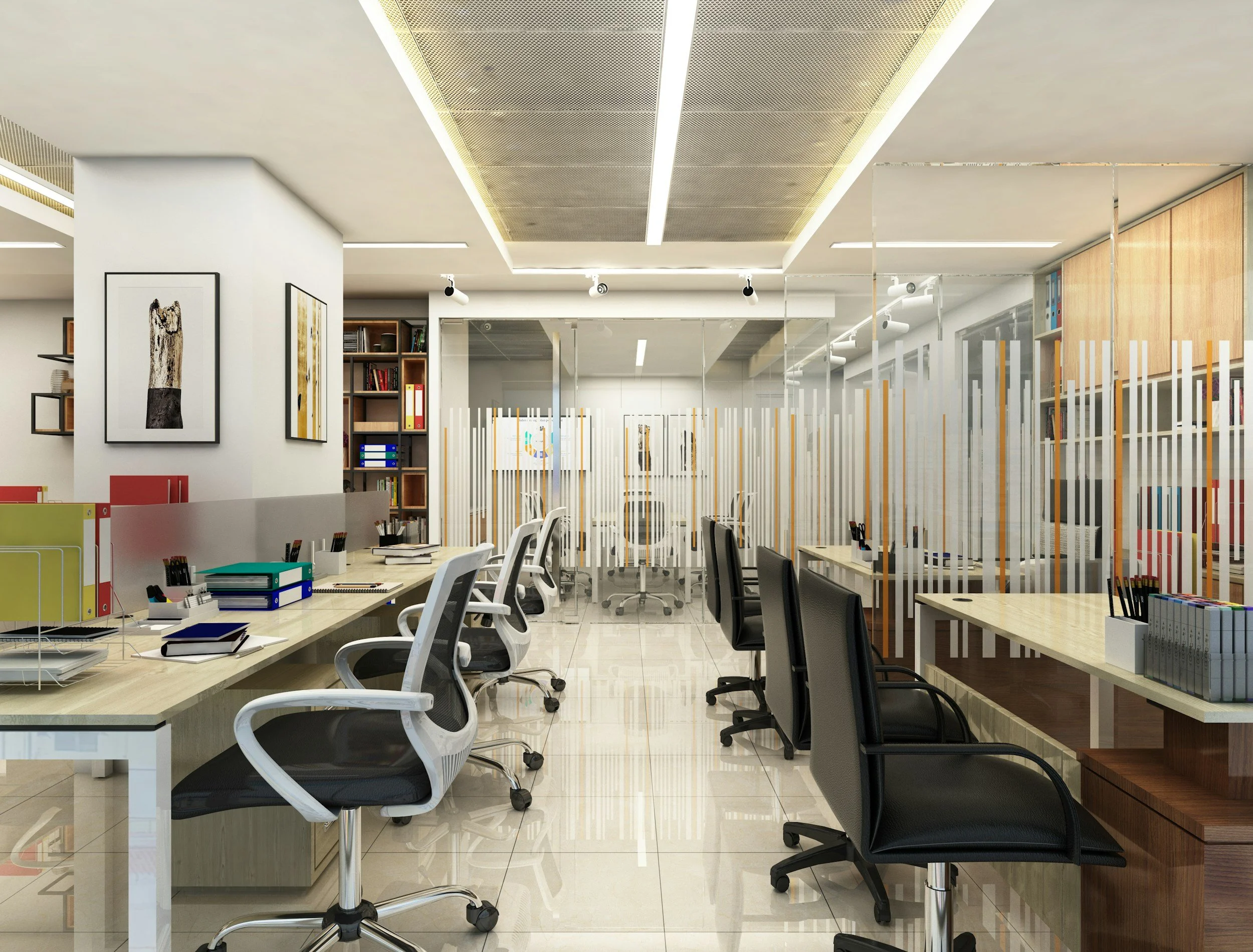
What comes to mind when you think of improving security for your business? All businesses can be exposed in various ways, and understanding how safe your premises are and how people might access your business for nefarious reasons is paramount to equipping your building and staff members with the right security to keep personnel and operations safe at all times.
After all, the last thing you want is someone coming in and undoing everything you have built so far, right?
So let's take a look at some ways you can improve security in your commercial buildings or premises.
Install a High-Resolution Surveillance System
Basic camera setups don't always work for commercial buildings. There is more movement, more people, and more visitation, and spaces that need to be covered and monitored more closely than in a residential environment.
This means you need to choose a high-quality surveillance system that can cope with your business operations. From deliveries being offloaded in warehouses after hours, to staff and customers being limited from secure areas, or tracking customers at checkouts, etc. You literally need eyes everywhere, and if your camera and security setup can't handle this, it's a waste of time and money.
A 12MP surveillance system, however, can give you the level of detail you need in environments such as these. They are designed to offer clearer facial recognition at entry points to give you better visibility across wider areas and usable footage when you need to zoom in on specific moments. It's the level of coverage your staff and your business deserve.
Control Access Points With Keycards or Entry Systems
It’s not just the main entrance that might need to be secured, but specific areas within the building, too.
Uncontrolled access is one of the biggest risks for any business, and you need to be strict on who has access where and when at all times.
Keycards, coded or biometric entry systems, help give you this control and reduce risk.
This means only those with the right credentials can access certain areas i.e., only staff can enter the building, and anyone without the right codes, Keycards or authorization is stopped immediately. You can lock certain areas within the building, i.,e. prevent customers from going into staff areas, or you can limit the movement of staff in environments of high risk.
The fewer people having access to your business as a whole or certain areas means security is automatically improved.
Set Clear Monitoring and Response Procedures
Here's the thing: You can have the best security systems and technology in the world, but if you're not monitoring it or responding quickly, it's useless.
Both parts go hand in hand here.
You need to have protocols in place for monitoring footage and responding to incidents.
For example, if an alarm is triggered or unusual activity is recorded, what happens next? You need to have clear processes for who checks footage and when, what action is taken, and how it's escalated. Without these, problems simply get brushed off or ignored.
Designate people to these tasks, give them a clear workflow they can move through should anything out of the ordinary occur, and act quickly to deter suspicious activity or shut it down before it does too much damage.