
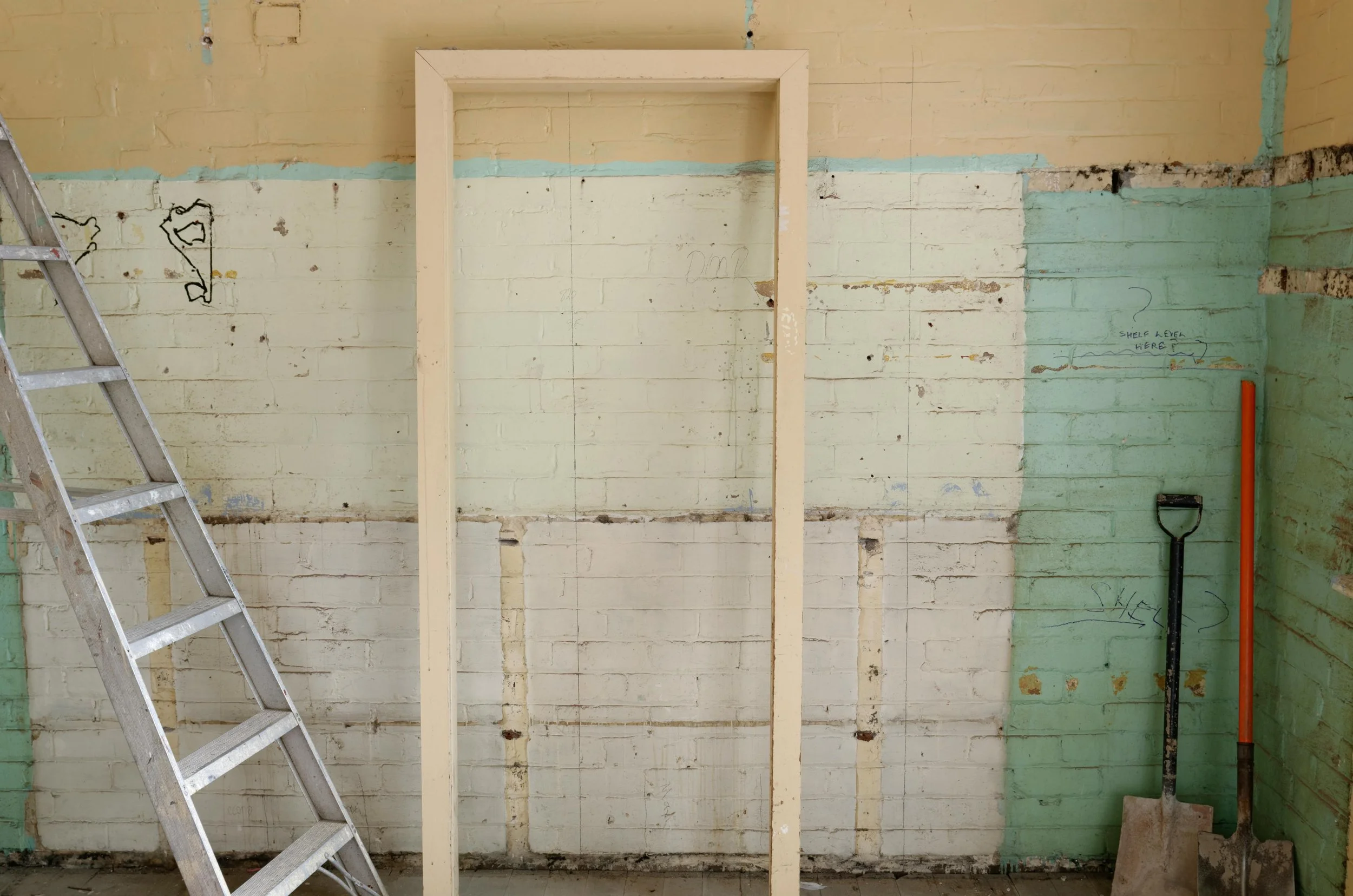
Is it time to elevate your retail space? How about your office? Well, your commercial property in general? Now, needless to say, expanding a business space feels amazing. Like, there are enough customers now that the walls literally can’t contain the success anymore. You've got the whole new layout, new shelving, and new storefront energy. It's such a moment. Now, not trying to crash it all down here, but you need to keep in mind there’s the whole bureaucracy part that you can’t skip over. Like, legally speaking, you can’t.
There’s this whole waltz of dealing with permits and approvals, and of course, all of this takes lots and lots of time, too. And yeah, it's kind of surprising how fast the fun version of renovation can turn into a giant “wait, why isn’t anything happening” crisis, and chances are high that so many businesses all over the area you’re living in had some fun ideas that instantly got crushed down.
It’s true, though, if the rules side of things isn’t sorted first. So, just imagine thinking you are days away from unveiling a beautiful new space, only to learn an inspector has said “absolutely not” to a wall or doorway. The whole idea is basically soul-crushing, though, right? Well, yeah, that’s how it all is, and it’s what you want to avoid, though, right? Well, there’s something to keep in mind here to keep your whole game plan on track.
Regulations Basically Run the Show
Which, yes, it’s the painful truth, no matter how amazing your idea was. So many business owners start with the Pinterest board, the mood lighting ideas, the fancy new display units, all that good stuff. And honestly, that is the fun part, so it makes sense. But behind every wall you want to knock down, there’s a regulation waiting to remind you it exists. It’s no different for a person's house; permits are a requirement, there’s no choice, you absolutely need them.
But can’t you just do it all in secret? Well, no, because if something gets built that doesn't match the rules for the city, the job gets paused. Contractors stop. Bills pile up. The stress skyrockets; you don’t want to do that to yourself. There might even be fines.
Even Tiny Changes Can Trigger Big Requirements
Again, don’t skip permits, and don’t even think that even the small stuff doesn’t need them (or you can pass by without being noticed), because your project will still grind to a halt. But at the same time, though, people hear “permits” and think of giant construction cranes and adding another floor to a building.
But nah, there’s plenty of little things that still need a permit, like new plumbing, moving or adding electrical, like an additional light on the ceiling somewhere else in the room, adding a ramp, expanding the doorway, there’s plenty of other things that need it. But overall, anything that could affect safety, accessibility, or zoning absolutely needs a paper trail. It's wild how a simple renovation idea can turn into ten different regulatory steps you had no idea existed, but that’s just how it is here.
Getting Help Means Less Panic
Well, less panic, less stress, less anger, less of anything that’s basically bad. But this is exactly where people start calling in experts who understand the whole process, like https://strompermit.com/ for example. Now, as you probably already understand, just having to deal with city departments, inspections, and building codes can feel like trying to read a whole other language that has literally nothing in common with English. It’s like you can’t decipher anything, right?
So that’s why you’re better off getting professionals where you can outsource this whole mess, let them go back and forth for approvals, let them handle the paperwork, the headaches, the communication, well, all of it.