
Why Combining Physical And Digital Security Strengthens Business Premises Protection
The modern workplace faces threats from both physical intruders and digital hackers. Managing these two areas separately often leaves gaps that criminals can exploit. A locked door does little good if a hacker can remotely open it through the network.
When you merge these two worlds, your business becomes much tougher to penetrate. This strategy creates a unified front where every camera, lock, and laptop works together. It provides a clearer picture of what is happening on your property at any given time.
Why Security Convergence Matters
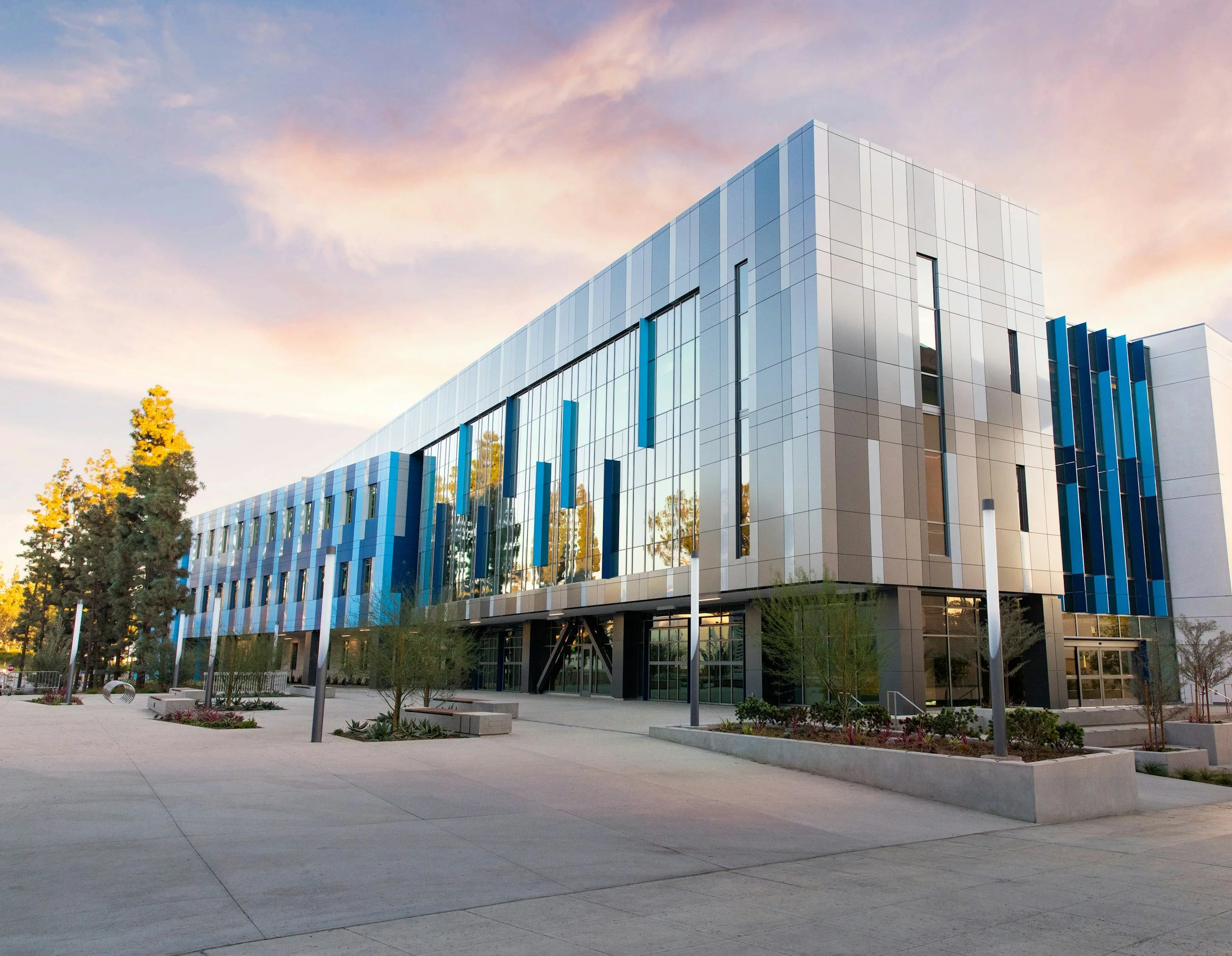
The idea of security convergence is becoming a standard for modern companies. A recent article noted that security convergence refers to the integration of traditionally distinct security domains, especially the physical security side with the cyber and information security side. By linking these areas, you remove the silos that often lead to miscommunication.
Physical assets like servers and inventory depend on digital oversight to stay safe. A security team that monitors both can react faster to suspicious activity. This combined approach ensures that a breach in one area triggers an immediate alert in the other, creating a stronger shield for the company.
Strengthening the Perimeter
Modern entrances now use smart technology to verify identity. High-quality gate systems provide a strong first line of defense for commercial yards and parking lots. According to the people behind https://www.baysideautomaticgates.com.au/, using automatic gates ensures that your physical access points are managed effectively and remain durable against tampering. These systems can be programmed to log every entry and exit automatically. Many businesses choose this level of automation to ensure 24/7 monitoring without needing a guard at every post.
Using automated gates and commercial security gates prevents unauthorized vehicles from entering the premises. When these gates are connected to your digital network, you can control them from a central hub. This setup allows managers to grant access to delivery drivers or staff without being physically present at the fence line.
Benefits of a Unified Strategy
Combining your defenses offers several advantages for daily operations. It simplifies the way your staff interacts with security protocols and ensures data is handled correctly. One report highlighted that a hybrid security system significantly reduces vulnerabilities by offering multiple layers of protection.
Faster response times to active threats
Lower insurance premiums for many industries
Reduced need for manual security patrols
Better data collection for future planning
Streamlined management through a single interface
A single dashboard can show you live video feeds alongside network login attempts. If someone tries to badge into a server room while their account is being accessed from another country, the system flags it. This level of detail is only possible when your physical and digital tools talk to each other.
The Value of Real-Time Integration
When systems are isolated, information moves slowly. A guard might see an open door but not realize a digital alarm was silenced minutes earlier. Integration allows these two pieces of data to meet instantly, revealing a targeted breach instead of a simple mistake.
Protecting Digital Assets Physically
Many people forget that cybersecurity starts with a physical lock. If a thief can walk into your office and grab a laptop, your firewalls mean nothing. One study found that organizations with converged cybersecurity and physical security functions are more resilient and better prepared to identify threats.
Keeping your hardware under lock and key is a primary step in data protection. Sensors on server rack doors can send alerts to the IT department the moment they are opened. This creates a physical trail that mirrors your digital access logs, making it nearly impossible for an intruder to hide their tracks.
Improving Incident Response
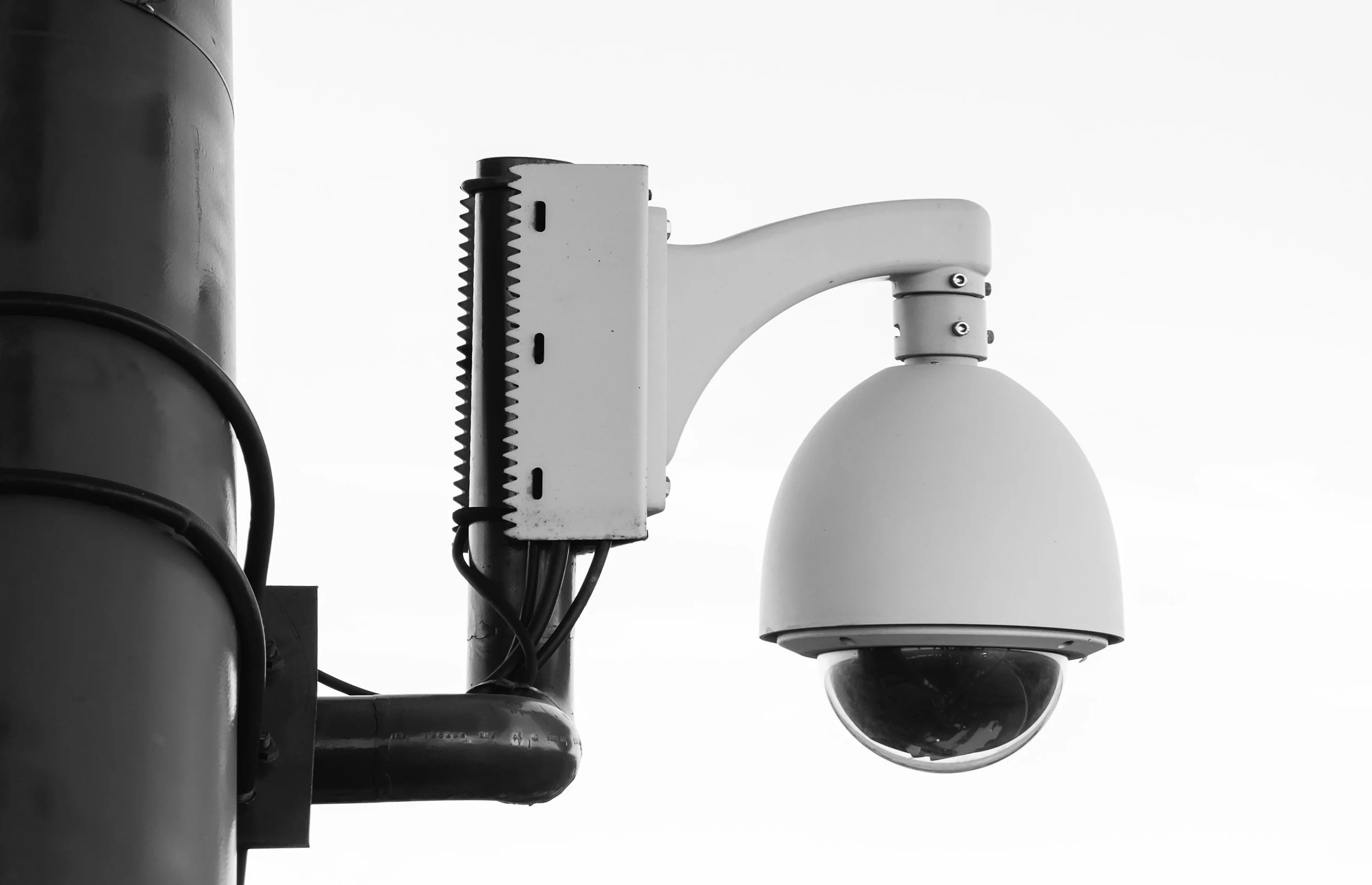
When an alarm goes off, every second counts. A hybrid system allows your team to see exactly what triggered an alert. If a motion sensor trips in the warehouse, the nearest camera can automatically pivot to that location.
This visual confirmation helps distinguish between a false alarm and a real emergency. It also provides law enforcement with better evidence if a crime does occur. Having all this data in one place makes it easier to review incidents and find ways to improve for the future.
Coordination Between Departments
In the past, IT and security teams rarely spoke. Now, they must work as one unit. When a staff member is fired, their digital accounts and their physical building access should be revoked at the exact same moment. This prevents disgruntled former employees from causing damage to the office or the network.
Smart Monitoring and Analytics
New software can now recognize patterns in how people move through your building. It can detect if someone is loitering near a restricted area for too long. These analytics help you stay ahead of potential problems before they escalate into serious crimes.
Facial recognition for high-security zones
License plate reading for parking management
Heat maps of foot traffic to optimize lighting
Automatic lockdown procedures for emergencies
Audio sensors that detect glass breaking
Integrated systems allow these features to run in the background. Your security staff can focus on high-priority tasks while the software handles routine monitoring. This efficiency saves money and improves the overall safety of the workplace for all employees.
Scaling for Future Growth
As your business expands, your security needs will change. An integrated platform is much easier to scale than several standalone systems. You can add new cameras or cloud-based software without rebuilding your entire setup from scratch.
This flexibility is vital for companies that add new locations or remote offices. You can manage the security of multiple sites from a single headquarters. It ensures that every branch follows the same safety standards and protocols, regardless of where they are located.
Adapting to New Threats
Criminals are constantly finding new ways to bypass locks and firewalls. A converged system is easier to update with the latest firmware and security patches. This proactive approach keeps your business one step ahead of those who wish to do harm.
Cost Efficiency in the Long Run
While the initial setup might require an investment, it saves money over time. You spend less on separate software licenses and hardware maintenance. Centralizing your security also reduces the number of staff members needed to monitor different systems.
A safer business also faces fewer losses from theft or data breaches. Recovering from a cyberattack can cost millions of dollars. Preventing just one major incident pays for the entire security system many times over.
Investing in a combined security model is a smart move for any growing business. It protects your people, your data, and your reputation all at once. By closing the gap between the physical and digital worlds, you create a safer environment for everyone. Avoiding the risks of a split system keeps your operations running smoothly.