
What Dressing for Success Really Means in 2026 (Hint: It’s Not About Suits)
The old “dress for success” advice used to mean one thing: look expensive, look serious, look like you belong behind a big desk. In 2026, success looks a lot more personal, and it changes depending on where you work, who you work with, and what you are trying to get done.
The new goal is not to dress “up” or “down.” It is to dress with intention, so your clothes support your focus, confidence, and credibility without getting in the way.
The Suit Is No Longer The Default Signal
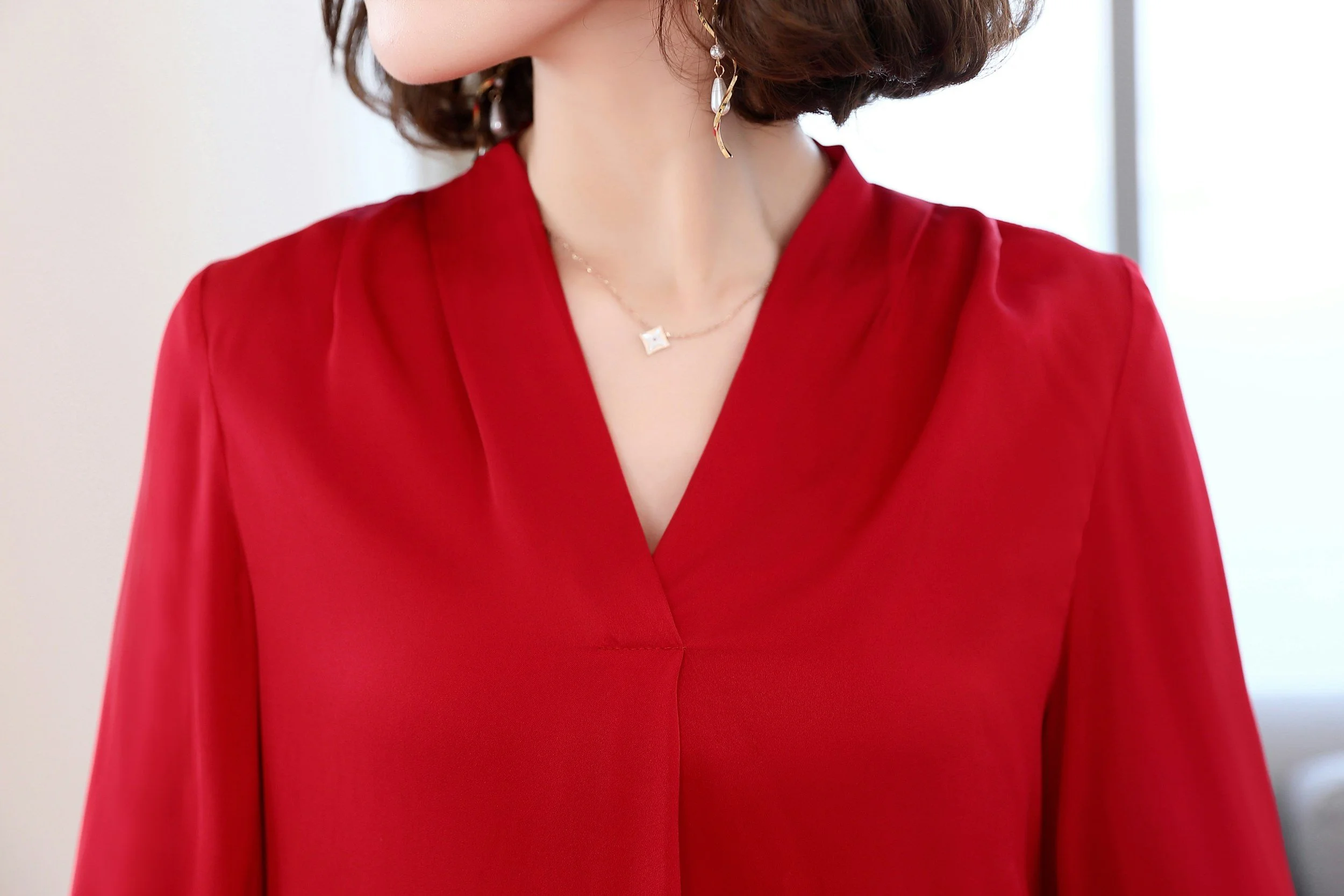
A suit used to be a shortcut for competence, even when the job had nothing to do with the outfit. Now, many workplaces value outcomes and collaboration more than visual conformity, so a single uniform cannot carry the same weight.
That does not mean standards disappeared. It means standards shifted from “everyone match” to “look put-together in a way that fits your role.”
In practice, dressing for success is more about clarity than formality: clean lines, good fit, and a look that does not distract from your message.
Fit, Fabric, And Finish Do The Heavy Lifting
When you remove the suit as the default, small details become the real tell. Fit that follows your body without pulling, fabric that drapes well, and finishes that look clean under bright lighting all read as competent.
In a 2026 wardrobe, you can repeat outfits more often, but each repeat needs to look intentional. That usually comes down to maintenance, like steaming, lint control, and shoes that look cared for.
If you want an easy upgrade, start where people notice first: a sharper collar line, better trousers, or a knit that holds its shape through a long day. Those small upgrades compound fast, because they make everything you already own look more polished and deliberate.
Personal Style Becomes A Work Skill
Style is not just self-expression. It can be a tool for communication. The colors, shapes, and textures you choose can help people read you faster in meetings, interviews, and presentations.
When you are building a look that feels like “you,” it helps to shop with a clear filter, not a random mood. A curated place like the ZenLuxe designer boutique can make that process simpler, especially when you want pieces that feel distinctive but still work in real life. The point is not to be loud.
The point is to be legible, so your outfit reinforces the story you are telling. Choose items that reinforce your key signals through fit, color, and quality, so people remember your message and not just your outfit.
Comfort Is A Professional Requirement
Comfort used to be treated like a bonus, or even a weakness, in formal settings. In 2026, comfort is closely tied to performance because people move more, commute differently, and work across spaces that are often unpredictable.
Comfort does not mean sloppy. It means you can sit, stand, walk, and focus without tugging, overheating, or adjusting your clothes every 3 minutes.
If you are unsure where the line is, aim for comfort that looks structured: stable waistbands, breathable layers, and silhouettes that keep their shape. Comfort helps you stay present and sharp, so your attention goes to the work instead of your clothes.
Dress Codes Keep Loosening, But Expectations Stay Real
A strict written dress code is becoming less common, but that does not equal “anything goes.” One major HR report tracked a sharp drop in strict dress codes from 2018 to 2024, falling from 30% to just 4.3%, which shows how quickly workplace rules have relaxed on paper.
What replaces the rulebook is often a set of unspoken cues. Teams form their own norms based on clients, leadership style, and the kind of work they do day to day.
So the skill is reading the room: look around, notice patterns, and dress slightly sharper than the most casual person you need to influence.
The New Work Uniform Is Smart Layers
Layers are the modern power move because they let you adapt without changing your identity. You can look professional in the morning, comfortable at lunch, and polished again by late afternoon, just by shifting one layer.
A strong layering system is usually built from a few categories:
A refined top layer (blazer, jacket, or structured cardigan)
A base that breathes (knit, tee, or button-down that holds shape)
A bottom that moves (trousers, tailored denim, or a clean skirt)
Shoes that can handle distance without looking athletic
When the pieces are consistent in tone and quality, you get flexibility without looking like you dressed for 3 different lives.
Quiet Confidence Beats Loud Status
Logos and obvious status markers still exist, but they do not always signal success the way they once did. In a culture that is more skeptical and more online, people often trust calm confidence over flashy display.
A recent fashion piece in The Guardian framed the revived “nine-to-five” look as serious but punchy, emphasizing boldness without sliding into dull or overly sober dressing. That balance matters because it lets you stand out while still looking steady.
Think of it as controlled energy: one strong element, supported by clean basics, and nothing that competes with your face or your words.
Trend Signals Matter, But Only When They Match Your Role
Trends can help you look current, but they are most useful as small signals, not full costumes. The best “2026” outfits usually include one updated detail, while the rest stay grounded and repeatable.
Even runway cues can trickle into workwear and uniforms in subtle ways. Vogue reported that capes rose 217% for Fall-Winter 2026, and while most people will not wear a full cape to the office, the idea can show up as a draped coat, a wrap layer, or a strong shoulder line.
The rule is simple: borrow the shape, not the drama, and keep it aligned with what your day actually requires.
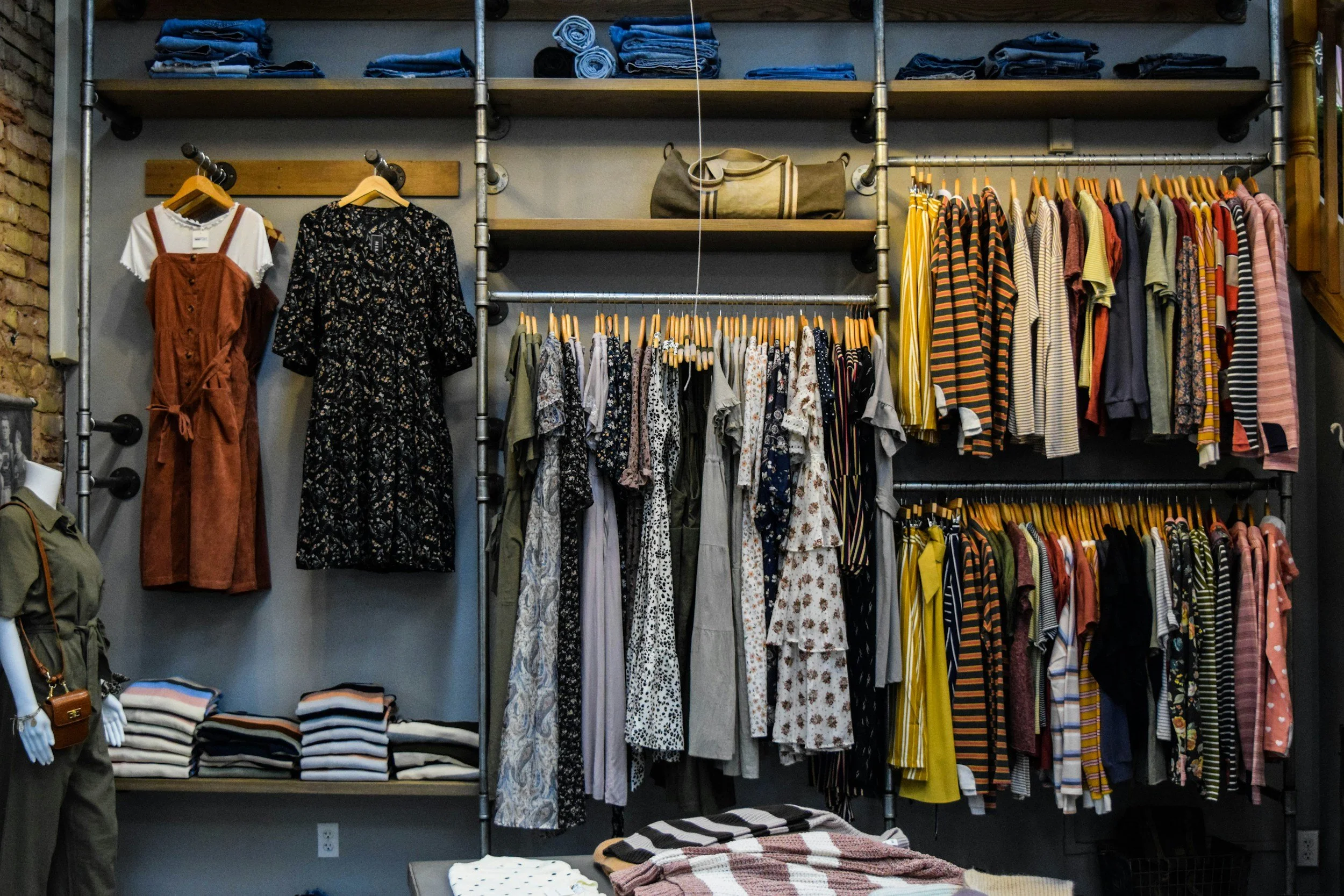
Dressing for success in 2026 is less about proving you belong and more about making your life easier while staying credible. If your clothes help you move, focus, and show up consistently, people will feel that steadiness before they even process the details.
The suit did not disappear, but it lost its monopoly. The new version of “professional” is flexible, thoughtful, and personal, with just enough polish to support your goals.