
Turning Wellness Retreat Experiences Into a Sustainable and Scalable Wellness Business
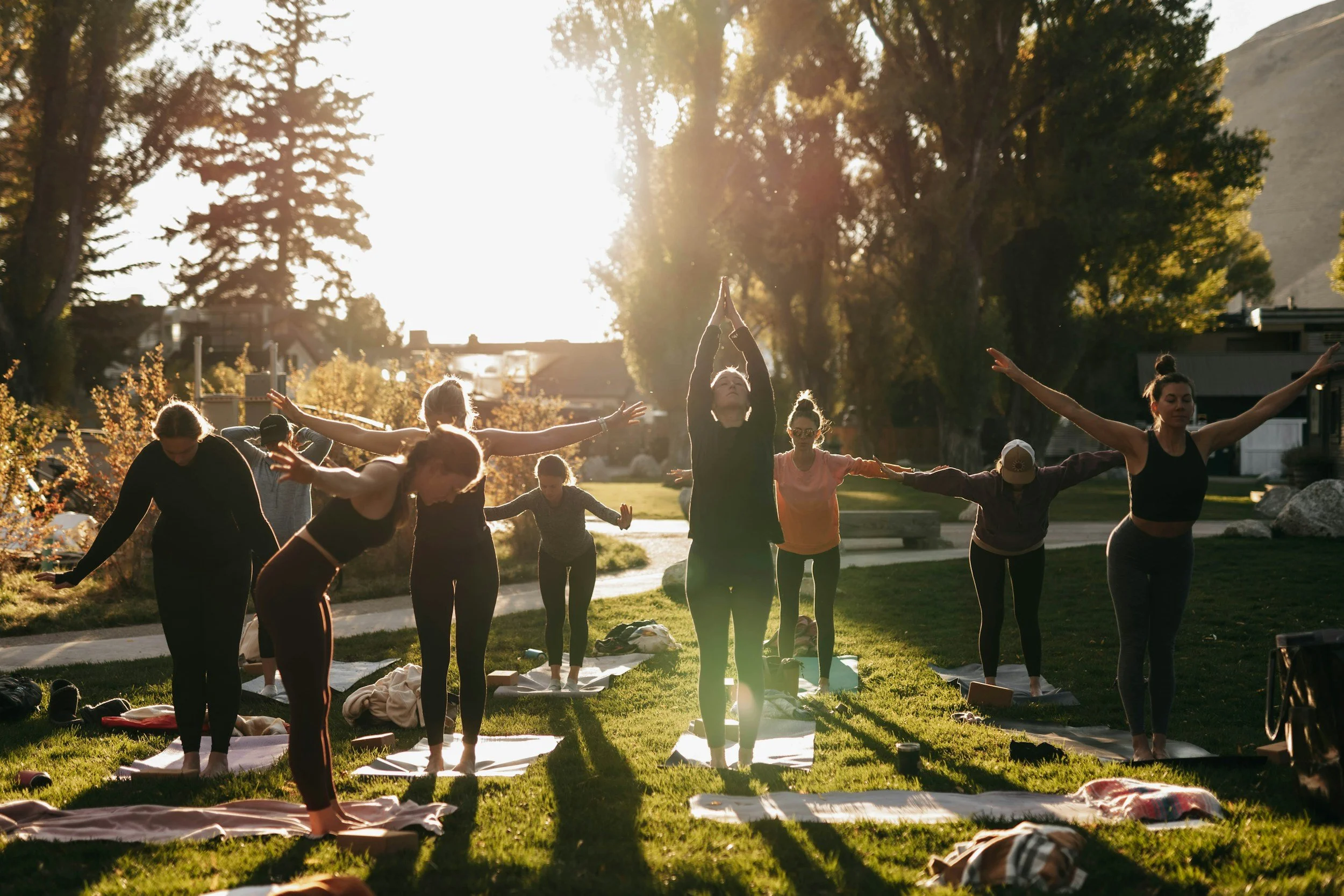
A wellness retreat can create an experience people remember for years. Guests step away from their normal routines, spend time focusing on movement, nutrition, recovery, mindfulness, or personal growth, and often leave feeling motivated to make lasting changes.
For the person running the retreat, however, creating a memorable weekend is only one part of the challenge.
The bigger question is: How do you turn that experience into a wellness business that can operate consistently, generate predictable revenue, and grow without requiring the founder to personally run every session?
The answer usually lies in taking the strongest parts of the retreat experience and turning them into repeatable services, systems, and relationships.
Start With the Transformation, Not the Retreat
People rarely attend a wellness retreat simply because they want to spend three days at a beautiful property.
They are usually looking for an outcome.
One guest may want to feel stronger. Another may be dealing with stress and wants a reset. Someone else may be looking for accountability after struggling to maintain healthy habits independently.
Understanding that desired transformation is important because the retreat itself is only one way of delivering it.
Suppose guests consistently say that structured strength sessions were the most valuable part of a retreat. That could indicate demand for an ongoing strength program.
If guests value group accountability more than anything else, a membership or small-group coaching model might make sense.
The first step toward scalability is identifying exactly what people are paying to achieve.
Identify What Guests Want to Continue at Home
One of the most useful questions to ask at the end of a retreat is simple:
What do you wish you could continue after leaving?
The answers can reveal opportunities for recurring services.
Guests may want weekly workouts, nutrition check-ins, mobility sessions, guided meditation, accountability calls, educational workshops, or access to the community they formed during the retreat.
Instead of treating the retreat as a self-contained event, businesses can use it as the beginning of a longer customer relationship.
For example, a three-day retreat could lead into an eight-week coaching program. Participants could then move into a monthly membership once the program ends.
This creates a natural progression rather than requiring the business to continually find entirely new customers.
Turn Successful Retreat Activities Into Repeatable Programs
Retreats often contain many individual activities: morning workouts, workshops, mobility sessions, guided walks, cooking demonstrations, recovery sessions, and group discussions.
Some will resonate more strongly than others.
Those successful activities can become the foundation of standalone programs.
A popular strength workshop might become a six-week beginner strength course. A daily mobility routine could become an online program. Nutrition workshops could evolve into recurring educational sessions.
The goal is not to copy the retreat exactly.
Instead, identify the components that produce the greatest value and redesign them so they can be delivered consistently throughout the year.
Build an Ongoing Local Wellness Community
Retreats create something that many conventional wellness services struggle to develop: community.
Participants spend significant time together, share experiences, and often encourage each other.
That sense of connection can become a valuable part of the business after the retreat ends.
A local wellness company might offer small-group training, workshops, social events, walking clubs, recovery sessions, or educational seminars that allow people to maintain those relationships.
Existing wellness businesses can provide useful examples of how fitness and community can coexist. A local facility such as Lift Silverlake, for instance, illustrates the type of neighborhood-based environment where people can make structured movement and training part of their regular lives rather than limiting wellness to occasional destination experiences.
For retreat operators, creating a similar sense of continuity can help turn occasional attendees into long-term members of a wellness community.
Create a Clear Customer Journey
Scalable businesses rarely rely on a single service.
Instead, customers can move through different offerings depending on their needs, commitment level, and budget.
A wellness business might structure its customer journey like this:
Entry level: Free educational content, community events, introductory workshops, or low-cost classes.
Core offering: Group coaching, memberships, structured fitness programs, or wellness courses.
Premium offering: Retreats, personalized coaching, private sessions, or intensive programs.
This structure creates multiple ways for someone to enter the business.
A person might initially discover the company through a workshop, join a weekly program, and eventually attend a premium retreat.
Another person might discover the business through a retreat and then become a recurring member afterward.
Both pathways can work.

Develop Recurring Revenue
Retreat revenue can be unpredictable.
A business might generate significant income during a retreat month and very little the following month. There are also substantial expenses associated with accommodation, staffing, food, transportation, activities, and marketing.
Recurring services can create greater stability.
Memberships are one option. Depending on the business, a membership might include weekly classes, online programming, monthly workshops, community events, or coaching check-ins.
Subscription-based digital programs are another possibility.
The important consideration is whether customers receive ongoing value. Simply charging monthly isn't enough. Members need a reason to continue participating.
A recurring model works best when the service addresses an ongoing need.
Use Retreats as a Premium Experience
Once a business develops recurring services, retreats can occupy a different position.
Rather than being the entire business, they become premium experiences within a larger wellness ecosystem.
Imagine someone who has trained with a wellness company for eight months. They already know the coaches, understand the philosophy, and have relationships with other members.
When that company announces a weekend retreat, attending becomes a natural extension of their existing experience.
This can also reduce the marketing burden associated with filling retreats.
Instead of selling every available space to strangers, the business already has a community of people familiar with the brand.
Document Your Methods
A business becomes difficult to scale when everything exists only inside the founder's head.
Perhaps the founder knows exactly how to welcome retreat guests, structure sessions, respond to common questions, or modify activities for different ability levels.
That works while the business is small.
Growth requires documentation.
Businesses can create procedures for onboarding, class delivery, customer communication, safety protocols, scheduling, retreat preparation, feedback collection, and follow-up.
These systems make it easier for other coaches or team members to deliver a consistent experience.
Documentation does not mean eliminating personality. It simply creates a reliable foundation.
Build a Team Without Losing Quality
Many wellness businesses initially revolve around one person.
Customers know the founder. The founder teaches the sessions, answers messages, organizes events, manages bookings, and solves problems.
Eventually, this creates a ceiling.
There are only so many hours one person can work.
Scaling requires transferring some responsibilities to other people while protecting the quality customers expect.
Hiring can happen gradually.
An administrative assistant might handle scheduling and customer communication. Another instructor could lead selected sessions. A retreat coordinator could manage logistics.
The founder can then focus on areas where their involvement has the greatest impact.
Create a Brand People Recognize Beyond the Founder
Personal connection is powerful in wellness, but a scalable company needs an identity that extends beyond one individual.
That requires clarity.
What does the business believe about wellness?
Who does it serve?
What makes its approach different?
Perhaps the philosophy emphasizes sustainable strength rather than extreme transformations. Maybe the company focuses on helping busy professionals build realistic routines. Another business may combine outdoor activity with mindfulness and recovery.
Whatever the positioning is, it should appear consistently across retreats, classes, online programs, social media, and customer communication.
People should understand what the company represents even when the founder isn't personally delivering the message.
Use Content to Extend the Retreat Experience
Retreats generate a large amount of potential educational content.
A workshop can become a series of articles. A mobility session can become several short instructional videos. Questions guests repeatedly ask can become newsletters, social posts, or podcast topics.
This allows the business to continue helping participants after the retreat while also introducing its approach to new audiences.
Content can also build trust.
Someone may follow a wellness company for months before purchasing anything. During that time, useful educational content gives them opportunities to understand the company's philosophy.
When they are eventually ready to join a program or retreat, the business is already familiar.
Collect Feedback and Measure What Works
Not every retreat activity needs to become a permanent service.
Businesses should pay attention to actual customer behavior.
Which sessions receive the strongest feedback?
Which programs have the highest attendance?
What do customers repeatedly request?
Which services generate repeat purchases?
Which offerings require enormous amounts of work without producing enough value?
These questions help businesses decide what deserves investment.
Feedback forms are useful, but behavior is often even more revealing. Customers may say they enjoyed ten different activities while consistently paying only for two of them afterward.
Those purchasing patterns provide valuable information.
Avoid Scaling Too Quickly
Growth can create problems when the underlying experience has not yet been refined.
Adding multiple retreats, hiring several coaches, launching digital programs, and opening a physical location simultaneously can create unnecessary complexity.
A better approach is often to prove one model before expanding it.
Run the retreat several times.
Understand which activities work.
Develop one recurring program.
Improve retention.
Document the process.
Then expand.
Sustainable growth tends to come from repeating something that already works rather than continually launching new ideas.
Combine In-Person and Digital Experiences
Wellness businesses no longer need to choose between physical and online services.
A hybrid model can make the business accessible to more people.
Someone who attends an in-person retreat may later follow an online training program from another city. Local members might use digital workouts while traveling. Online customers could eventually attend an annual retreat.
Digital services can extend geographic reach, while in-person experiences provide the human connection that is difficult to reproduce through a screen.
Used together, they can strengthen the overall customer relationship.
Protect the Human Side of Wellness
Efficiency matters when building a scalable business, but wellness remains deeply personal.
People often seek these services because they want support, encouragement, structure, and connection.
Automating every interaction can undermine the very experience that attracted customers.
Technology can handle scheduling, payments, reminders, and basic communication. Systems can make operations more reliable.
But meaningful coaching, thoughtful conversations, and genuine community should remain central.
The objective is not to remove people from the business. It is to remove unnecessary operational work so the team has more time for the interactions that matter.
Build a Business That Continues After the Retreat Ends
A successful retreat can be an excellent starting point for a wellness company, but long-term growth comes from what happens afterward.
The most sustainable businesses identify the transformation guests value, create ways for them to continue making progress, develop recurring services, build community, document their methods, and gradually create a team capable of delivering the experience consistently.
Retreats can then become one part of a broader wellness ecosystem rather than isolated events.
When customers can move naturally from a retreat into regular training, coaching, education, community, or digital programs, the relationship no longer ends when everyone checks out of the venue.
That continuity is what can turn a memorable wellness experience into a sustainable and scalable business.