
The Tiny Glass Threads Carrying an Enormous Part of Modern Life
Video calls connect people across continents in an instant, streaming delivers entire libraries of entertainment on demand, cloud applications run business operations remotely, and payments process in seconds without anyone giving much thought to how any of it actually happens.
All of that digital activity feels weightless, almost magical in how effortlessly it moves between devices scattered across the world. Security systems, remote work, countless everyday conveniences, all of it relies on something flowing invisibly behind the scenes constantly.
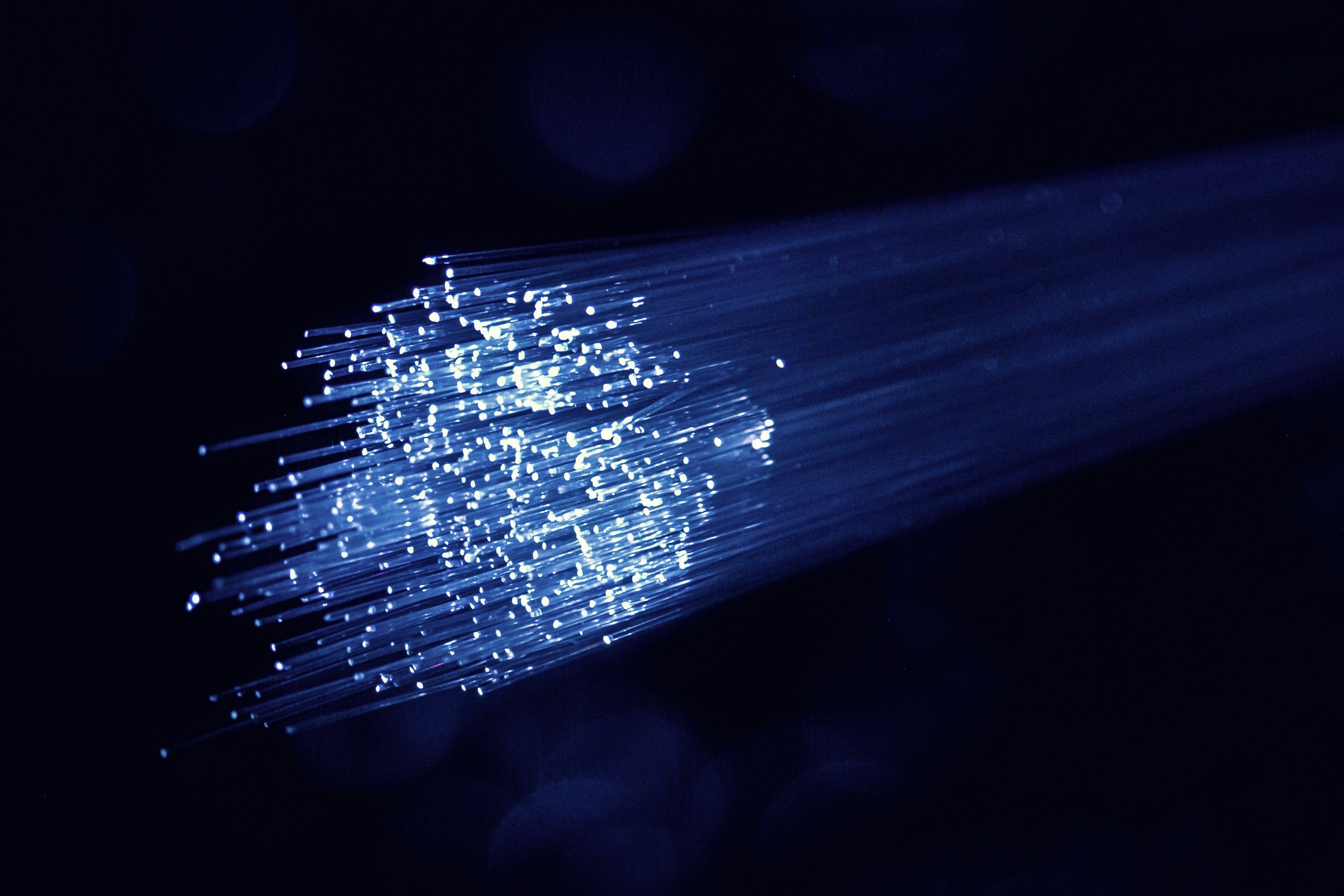
Behind nearly all of it sits something surprisingly physical, a network of glass strands thinner than a human hair, carrying information as pulses of light through infrastructure most people never think about until something actually goes wrong with it.
Data Can Travel as Light
Fiber optic cable transmits information in a fundamentally different way than older copper based systems ever could, converting data into pulses of light that travel through thin glass strands at speeds that make older transmission methods look genuinely outdated by comparison.
Reliable Turnkey Fiber Solutions handle every piece of that process, from initial design through installation and testing, making sure those light pulses actually travel cleanly and reliably from one end of a network connection all the way to the other.
That shift from electrical signals to light fundamentally changed what's possible for data transmission. Information moves faster, travels farther without degrading, and supports considerably more simultaneous activity than older copper infrastructure was ever capable of handling reliably.
The Fiber Is Tiny but the Network Isn't
A single strand of fiber looks almost insignificant on its own, thin enough to seem fragile and unremarkable sitting coiled in someone's hand. The network built around that fiber, though, involves considerably more complexity than the cable itself might suggest.
Routes have to be carefully planned, connections properly spliced, and equipment installed and configured correctly at every point along the way. Construction crews, specialized splicing technicians, and testing equipment all play essential roles in building out a functioning network.
That larger infrastructure surrounding the fiber itself is what actually makes the entire system work reliably. The glass strand carries the signal, but everything built around it determines whether that signal actually arrives intact at its intended destination.
Every Connection Has to Survive the Real World
Fiber networks don't exist in a controlled laboratory environment, they run through underground conduits, into buildings, and across construction sites exposed to weather, vibration, and the ordinary wear and tear of operating in genuinely unpredictable real world conditions.
Underground installations face soil movement, moisture, and temperature fluctuations throughout the year. Buildings introduce their own challenges, from tight spaces to existing infrastructure that has to be worked around carefully without disrupting whatever's already operating nearby.
Protecting fiber connections against all of that exposure requires genuine engineering, not just careful installation. Every connection point has to hold up reliably for years, surviving conditions that would quickly degrade a less carefully designed and protected system.
The Network Has to Work After Everyone Leaves
Installation isn't where the real test of a fiber network actually happens, that comes later, once crews have packed up and the system has to perform reliably day after day without anyone standing by to immediately address whatever might eventually go wrong.
Thorough testing before completion catches problems early, verifying that every connection meets performance standards before a network goes live. Documentation matters too, giving future technicians a clear record of exactly how a system was built and configured originally.
Reliability after installation is really the entire point behind all that upfront effort. A network that performs beautifully during testing but fails within months was never actually built correctly in the first place, regardless of how smoothly the initial installation went.
Conclusion
Nearly invisible glass fibers, thinner than a strand of hair and easy to overlook entirely, carry an enormous share of modern daily life, from video calls to payments to the countless digital conveniences people rely on constantly without a second thought.
That contrast between the fiber's physical size and its actual importance says something worth appreciating. Something so small and unremarkable to look at ends up supporting an almost unbelievable amount of the connected world most people now simply take for granted.
Behind every seamless video call or instant payment sits infrastructure built with genuine care, surviving real world conditions and performing reliably long after installation, quietly carrying far more weight than its tiny physical form would ever suggest.