
The Hidden Link Between Stress, the Nervous System, and Choosing a Sleep Aid Device
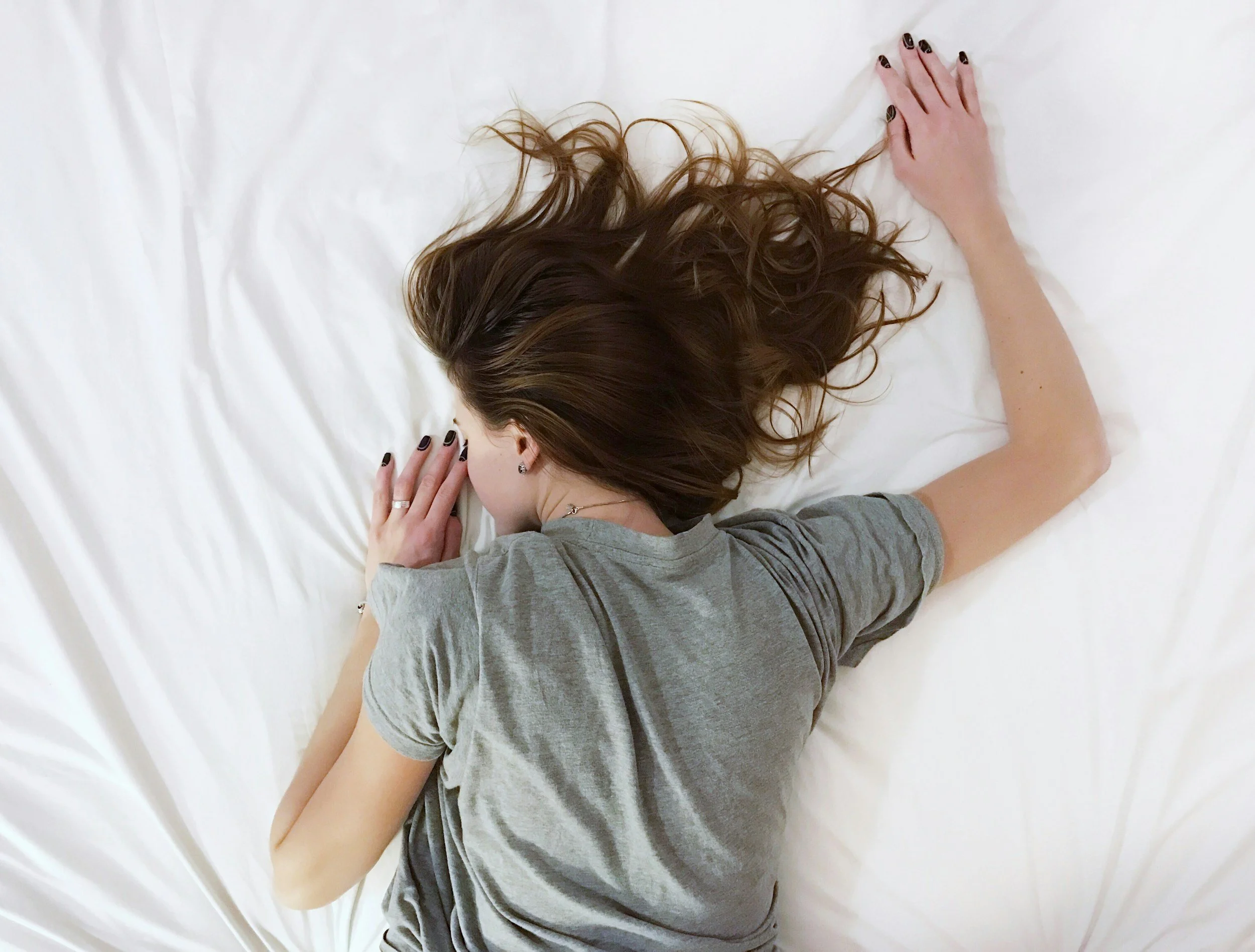
Stress and sleep have a complicated relationship. A difficult day can follow you into bed, turning what should be a natural transition into hours of tossing, turning, and checking the clock. The problem is that sleep is not simply about feeling tired. Your nervous system also needs to shift into a state that allows the body to settle down.
This is why understanding the connection between stress, the nervous system, and sleep can be useful when considering a Sleep Aid Device. Rather than looking only at how quickly a product might make you feel sleepy, it helps to consider what is actually keeping you awake and whether a particular approach fits that problem.
Why Stress Can Follow You Into Bed
Stress is a normal biological response. When the brain perceives pressure or a potential threat, the body prepares to respond. Heart rate may increase, muscles can become tense, and attention becomes sharper.
That response is useful when you need to meet a deadline or react quickly to a problem. It is much less helpful at midnight.
For many people, the stressful event itself has already ended by bedtime, but their body has not fully shifted gears. You may be physically exhausted while your mind continues replaying conversations, planning tomorrow's tasks, or worrying about things you cannot resolve that night.
This creates the frustrating feeling of being tired but unable to sleep.
Your Nervous System Plays a Major Role in Sleep
The autonomic nervous system regulates many processes that happen without conscious effort, including heart rate, digestion, breathing, and aspects of the body's stress response.
Two commonly discussed components are the sympathetic and parasympathetic nervous systems.
The sympathetic nervous system is associated with increased alertness and the body's "fight or flight" response. The parasympathetic nervous system supports "rest and digest" processes and is associated with states of greater relaxation.
These systems are not simply on/off switches. They constantly adjust according to what is happening inside and around you.
Ideally, bedtime involves a gradual reduction in stimulation and alertness. Problems can arise when stress, worry, late-night work, irregular schedules, or excessive stimulation keep the body feeling as though it still needs to remain vigilant.
Why Trying Harder to Sleep Can Backfire
Anyone who has watched the clock at 2 a.m. knows the experience.
You calculate how many hours remain before your alarm. Then you think, "If I fall asleep right now, I can still get five hours."
Twenty minutes later, you calculate again.
The harder you try to force yourself to sleep, the more attention you place on the fact that you are awake. For some people, this can increase frustration and alertness rather than reducing them.
Eventually, the bedroom itself can become associated with worrying about sleep.
This is one reason effective sleep routines generally focus on creating favorable conditions for sleep instead of attempting to consciously force unconsciousness.
Stress Doesn't Affect Everyone's Sleep the Same Way
There is no single pattern of stress-related sleep difficulty.
One person may struggle to fall asleep because their thoughts race at night. Another falls asleep quickly but wakes repeatedly. Someone else sleeps for seven or eight hours but wakes feeling unrefreshed.
Lifestyle also matters. Caffeine consumption, alcohol, exercise, travel, screen exposure, medications, work schedules, environmental noise, and inconsistent bedtimes can all influence sleep.
That distinction becomes important when evaluating sleep-support products. A device designed to create a more relaxing bedtime environment may address a very different issue from one designed to mask environmental noise, support breathing, or track sleep patterns.
Before buying anything, identify the problem you are actually trying to solve.
Where Sleep Aid Devices Fit In
The sleep technology market now includes everything from sound machines and smart lighting to wearables and relaxation-focused devices. With so many options, it is easy to assume that the product with the longest feature list must be the most effective.
That is not necessarily the case.
A better starting point is to ask three questions: What usually prevents me from sleeping? What helps me feel calmer at night? Can I realistically use this product consistently?
For example, someone disturbed by traffic may benefit more from sound management than complicated sleep tracking. Someone whose main challenge is transitioning out of a stressful workday may instead be interested in technologies designed around relaxation.
A useful device should complement healthy sleep habits rather than make bedtime more complicated.
Look at the Mechanism, Not Just the Marketing
Terms such as "deep sleep," "nervous system reset," and "instant relaxation" can sound convincing, particularly when you are desperate for better sleep.
Instead of relying on marketing language, examine what the device actually does.
Does it use sound, light, vibration, temperature, breathing guidance, or another mechanism? Is there credible evidence supporting that approach? Are the company's claims appropriately limited to what the evidence demonstrates?
This matters particularly for products that make health-related claims.
Sleep technologies vary considerably in their intended purpose and the amount of scientific evidence supporting them. A wellness product designed to help someone relax should not automatically be treated as a medical treatment for a sleep disorder.
Simplicity Matters More Than You Might Think
Bedtime routines work best when they are easy to repeat.
If using a device requires opening several apps, reviewing graphs, charging multiple components, and adjusting settings every night, the technology itself can become another task.
For someone already dealing with stress, that can defeat the purpose.
Consider how naturally a device fits into your existing evening routine. Ideally, it should reduce friction rather than create more of it.
The same principle applies to sleep tracking. Data can be helpful for identifying patterns, but obsessively checking sleep scores every morning can sometimes create additional anxiety around sleep.
Technology should provide useful information or support—not turn sleep into another performance metric.
Build the Foundation Before Relying on Technology
No device can completely compensate for an environment and routine that consistently work against healthy sleep.
Basic habits still matter. Keeping relatively consistent sleep and wake times, reducing caffeine later in the day, maintaining a comfortable bedroom, getting appropriate daytime activity, and creating a predictable wind-down period can all support better sleep.
The wind-down period is particularly relevant for people experiencing stress.
Instead of going directly from emails or social media to trying to sleep, create a transition. That might involve dimming the lights, taking a warm shower, reading, stretching gently, listening to calming audio, or practicing slow breathing.
The exact ritual matters less than giving your brain repeated signals that the active part of the day is ending.
Know When Poor Sleep Needs Professional Attention
Occasional sleepless nights are common. Persistent sleep problems are different.
Regular difficulty falling asleep, repeated nighttime awakenings, loud snoring or gasping, severe daytime sleepiness, or sleep difficulties that interfere with daily functioning deserve more attention than simply purchasing another gadget.
A healthcare professional can help investigate underlying causes and determine whether additional assessment or treatment is appropriate.
This distinction is especially important because poor sleep can have many causes. Stress may contribute, but it is not always the complete explanation.
Choosing Sleep Support With the Nervous System in Mind
Better sleep often begins before your head touches the pillow. It starts with how effectively your body and mind transition from daytime stimulation toward nighttime rest.
Understanding that transition changes how you evaluate sleep technology. Instead of asking, "Which device will make me sleep?" ask, "What is interfering with my sleep, and what would help create better conditions for it?"
For someone whose nights are heavily influenced by stress and difficulty unwinding, supporting relaxation may be an important piece of the puzzle. For someone else, the answer could involve environmental changes, behavioral strategies, medical evaluation, or a combination of approaches.
The best sleep aid is ultimately not the one making the biggest promises. It is the one that addresses a genuine need, has reasonable evidence behind its approach, fits comfortably into your routine, and supports rather than replaces the fundamentals of healthy sleep.