
The Future of Manufacturing for Small Business
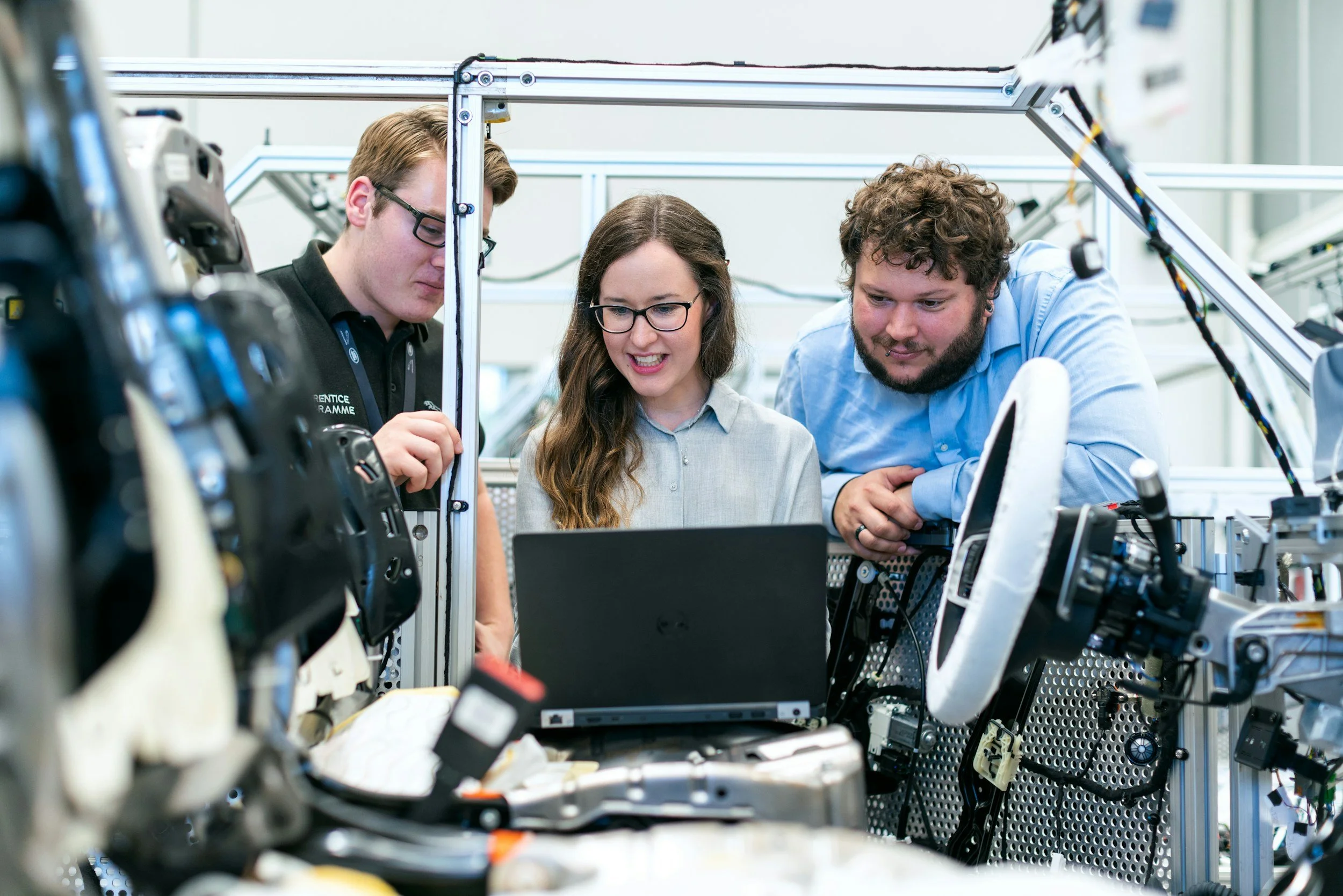
Manufacturing often conjures images of massive factories, complex assembly lines, and multi-million-dollar investments. For many small business owners, this picture has made in-house production seem completely out of reach. But a quiet revolution is underway, driven by new technologies that are fundamentally changing how we make things. These advancements aren't just for big corporations; they're creating incredible opportunities for entrepreneurs and small businesses to design, prototype, and produce goods with more flexibility and control than ever before.
This shift is about more than just new tools. It's a new way of thinking where production isn't a distant, outsourced process, but an integrated part of your business strategy. It helps you be more agile, more creative, and more responsive to your customers' needs, turning your unique ideas into tangible products right from your own workshop or studio.
Democratizing Production
For decades, manufacturing was all about scale. The high cost of machinery, factory space, and specialized labor meant only companies capable of mass production could compete, highlighting the importance of strategic business partnerships for smaller entities. This created a huge barrier for small businesses, forcing them to rely on third-party manufacturers, often overseas, with high minimum order quantities and long lead times. Today, that barrier is crumbling.
Technology has made powerful production tools smaller, more affordable, and easier to use. With desktop-sized equipment and accessible software, creating a "micro-factory" is now a realistic goal for a small business. This trend is leveling the playing field, letting entrepreneurs compete on creativity and quality instead of just sheer volume. A report from the National Institute of Standards and Technology points out the future potential of manufacturing because it can be more distributed and flexible, empowering innovators at every level. This shift lets you go from idea to prototype in days instead of months, test market viability without a huge upfront investment, and keep complete creative control.
Understanding Additive Manufacturing
At the heart of this manufacturing revolution is additive manufacturing, better known as 3D printing. Unlike traditional "subtractive" manufacturing, which cuts, carves, or drills material away from a larger block, additive manufacturing builds objects from the ground up, layer by layer, directly from a digital design file. This process drastically reduces material waste and opens up a world of design possibilities impossible with older methods.
For a small business, this technology is transformative. You can create intricate prototypes, functional parts, and even finished products in-house. The process gets more sophisticated every day, with a growing range of materials from plastics and resins to metals and ceramics. As the technology keeps developing, the ways additive manufacturing helps to streamline production for businesses of all sizes are becoming more apparent. Even the size of what can be printed is growing. For example, a modern large 3D printer can produce full-sized furniture prototypes, architectural models, or large-scale art installations—tasks once reserved for specialized industrial facilities.
Customization at Scale
One of the biggest advantages of modern manufacturing for small businesses is the ability to offer customization without the huge costs. In traditional manufacturing, creating a custom product often meant retooling an entire production line, making it too expensive for one-off items or small batches. Additive manufacturing completely removes this challenge.
Since each item is printed individually from a digital file, changing a design is as simple as tweaking the file and hitting "print." This lets you offer personalized products tailored to each customer's unique preferences.
Jewelry designers can create bespoke pieces with custom engravings or unique shapes.
Product developers can offer customized ergonomic grips for tools or electronics.
Decor brands can produce items in a customer's specific color or with personalized text.
This capability gives small businesses a powerful competitive edge. While large corporations focus on mass-produced, one-size-fits-all products, you can build a brand around unique, made-to-order items. This creates a deeper connection with your customers and allows you to charge a premium price.
Supply Chain Resilience
Recent global events have shown the weaknesses of long and complex supply chains. Many small businesses have personally experienced the frustration of production delays, soaring shipping costs, and inventory shortages caused by disruptions thousands of miles away. Embracing modern, localized manufacturing techniques can build crucial resilience into your operations.
By bringing production in-house or using a local manufacturing partner, you regain control over your supply chain. You're no longer at the mercy of international shipping delays or geopolitical instability. This shift allows you to:
Reduce lead times from months to days or weeks.
Eliminate the uncertainty and cost of ocean freight.
Respond quickly to changes in customer demand without waiting for a new shipment to arrive.
This agility not only makes your business more robust but also improves cash flow. Instead of tying up capital in large inventory orders that may or may not sell, you can produce goods on demand, freeing up resources to invest in other areas of your business like marketing and product development.
Embracing Local Production
The move toward local production is about more than just logistics; it's a powerful branding and community-building tool. When you produce goods locally, you create a compelling story that resonates with today's conscious consumers. The "locally made" label signifies quality, craftsmanship, and a commitment to supporting the local economy.
Bringing manufacturing closer to home allows for unparalleled quality control. You can oversee every step of the process, ensuring each product meets your exacting standards. This hands-on approach is nearly impossible when your production is happening on another continent. Furthermore, local production significantly reduces the carbon footprint associated with long-distance shipping, an increasingly important factor for environmentally-minded customers. By embracing these new manufacturing technologies, you're not just making a product; you're building a more sustainable, responsive, and resilient business from the ground up.
These new tools empower you to be the creator, the maker, and the manufacturer. The future of manufacturing is smaller, more agile, and more accessible than ever, and it's ready for you to make your mark.