
The Costs You Can't Overlook When Developing A Product
Bringing a quality product to market is rarely an easy process. Taking an idea and refining it to its most effective yet cost-effective form can take a lot of work. This is especially true if you aren’t considering all of the costs that you should be. Here, we’re going to look at some of the costs that can easily escape your budget planning phase, and how essential they are to ensuring that your product is ready to launch.
Tooling Your Production Line
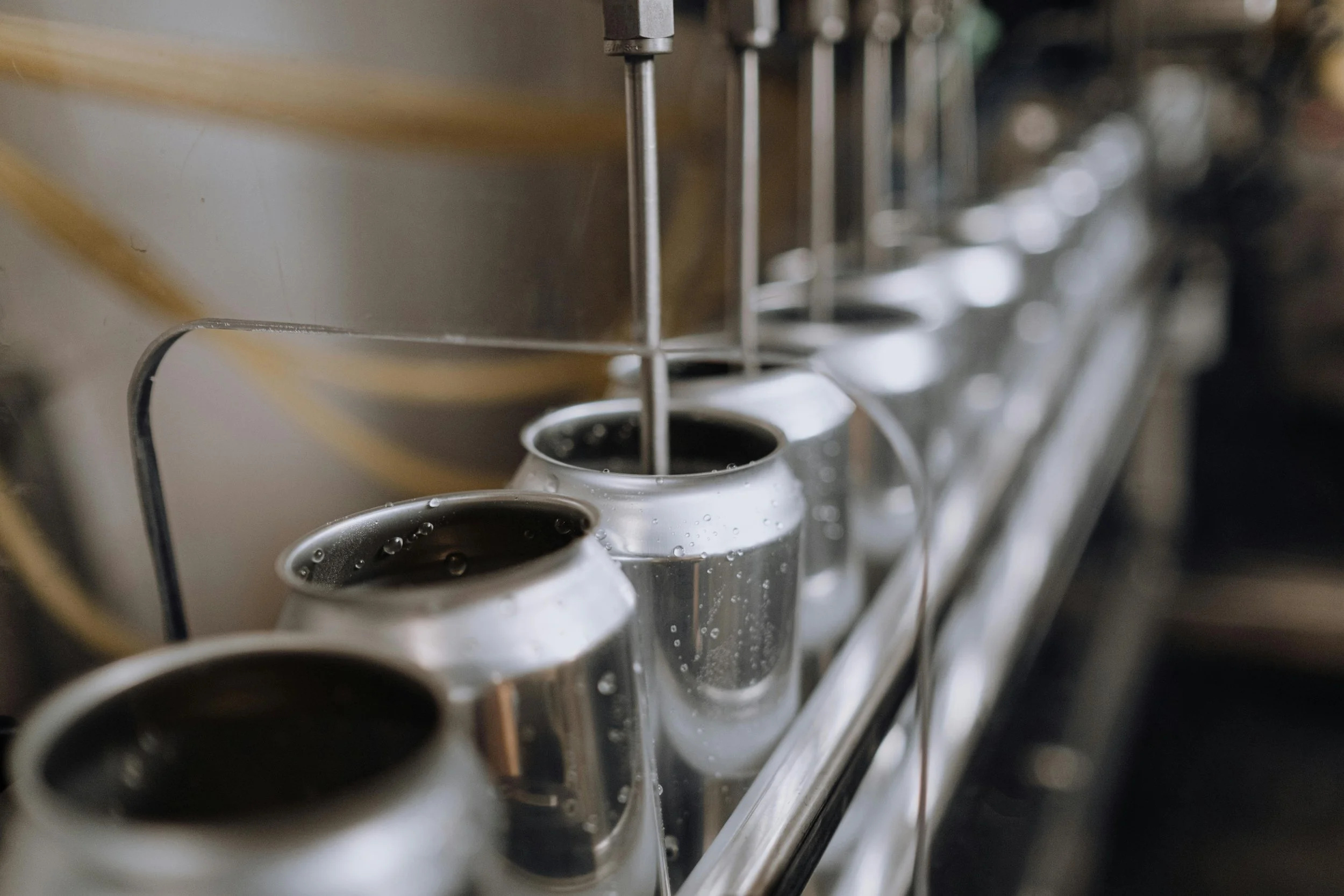
Before you’re able to start making a single one of those products, you have to make sure that you have all of the tooling done in advance. From molds to dies and more custom assembly tools, these are going to be major upfront costs, but many of them are going to be vital for making the high-quality products you need.
For example, if you’re setting up a bottling operation, a water filling line becomes one of the most essential parts of the setup. It ensures bottles are filled accurately and consistently, supporting both efficiency and product quality. It’s not just getting the tools in place, either, but the maintenance, repair, and replacement you should consider if you’re aiming to handle long-term production in-house.
Some of these costs can be mitigated through outsourced production, but that still comes with a cost.
Integrating Specialist Parts
There are plenty of products that might not be made entirely in-house, but might instead rely on a supply of ready-made parts to be integrated into their products. Electronics are one of the easiest examples of these, with parts like an 8 layer PCB that might not be made in-house but still plays a vital role in your hardware, such as audio equipment or computer motherboards. As such, you need to ensure that you’re able to get a cost-effective and reliable supplier on your side.
Testing And Validation
While some businesses might assume one round of testing is enough, that is rarely the reality, especially the more complex your product gets. Products have to go through functional testing, stress testing, safety testing, and even environmental testing in many cases. There are third-party testing labs that can help you with this, of course, but if testing finds problems, you have to go back, redesign, and retest again to ensure that it’s ready for the market. Planning for multiple testing phases ahead of time prevents budget overruns and ensures the final product performs reliably.
Compliance And Certification
It’s not just your products that have to go through a round of compliance inspections and certifications. Your production line could be subject to just as much scrutiny, only you have to pay for it well in advance of getting your product to market. This could include safety certifications, environmental compliance, as well as electrical testing. Of course, the product itself will also have to get its own certifications, depending on what it might be, with some, such as food stuffs and electronics, needing to meet additional regulatory requirements.
Without figuring the costs completely, it’s easy for the cost of development to rise and rise, forcing you to have to sell more to make it viable. Know your costs in advance, as well as which you might be able to, or have to, scale down.