
The Circular Economy You’re Ignoring: What Happens After You Throw Things Away
It’s hard to know what happens to products once we’re done with them. Once a product has been used and discarded, most people believe that’s all there is to say on the subject. They put the item in a trash bag, tie the bag up tight, and toss it into the dumpster. At that point, as far as the average person is concerned, their interaction with the item is complete. However, for many items, the story really begins at that point.
The circular economy isn’t just about reducing packaging through using reusable shopping bags and recycling bins. It is about creating new uses for waste. Much of this work goes unseen.
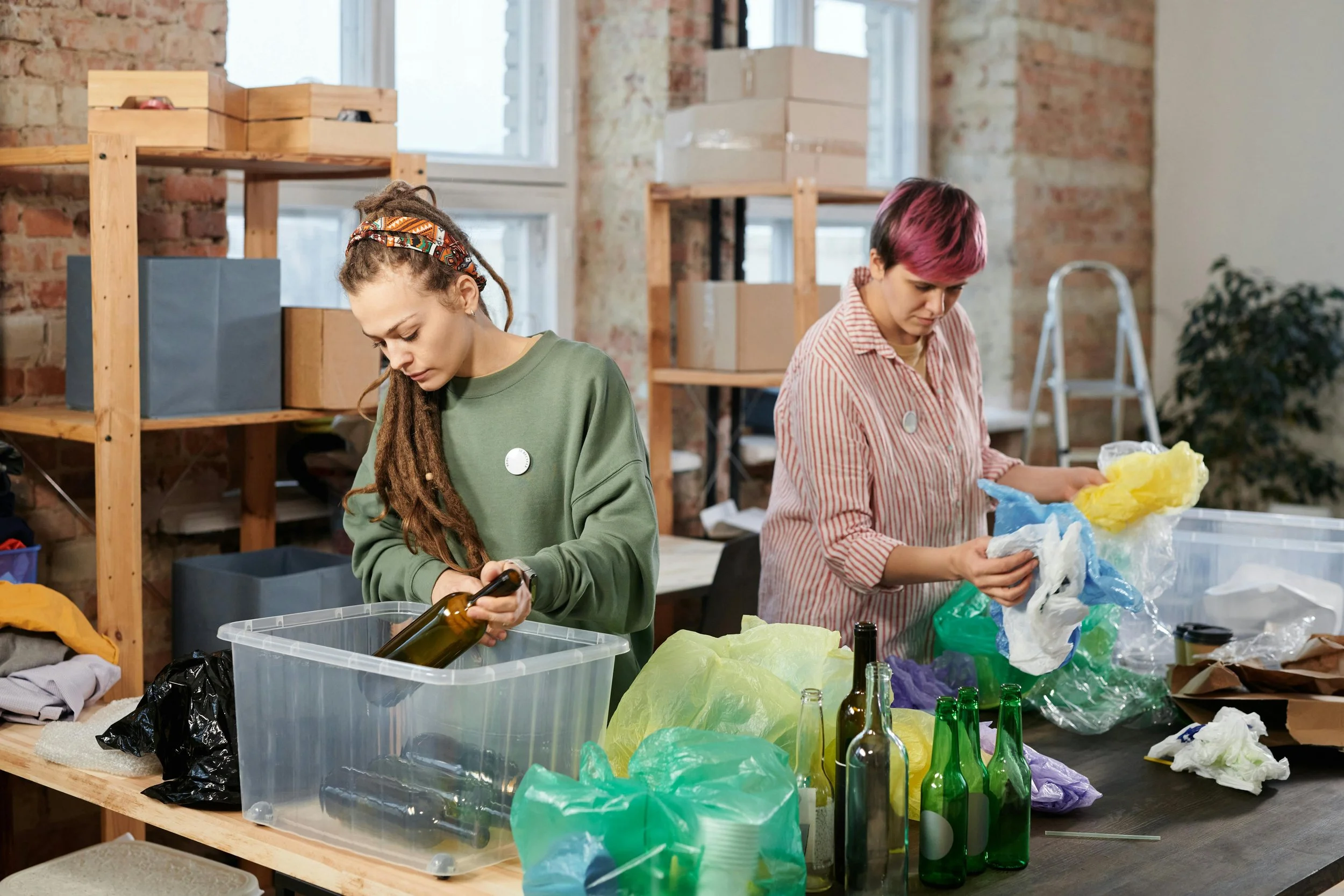
Where Your Waste Actually Goes
After trash is picked up, it travels to one of two destinations. The first destination could be a sorting facility. At these facilities, workers sort through trash, separating recyclable materials from non-recyclable materials. These materials will then travel to various recovery locations where they will be recycled back into usable form. Some plastics can be broken down and reused; metals can be melted and molded again. Food waste or yard trimmings do not follow the same journey, however. These types of “trash” have the ability to become compost or provide a renewable energy source.
A second potential destination is a landfill. Landfills were originally intended to serve as an unlined dumping ground. Today, modern Landfills are built with safety and environmental concerns in mind. Many modern landfills now utilize engineering techniques designed to minimize the impact of waste disposal on the environment. One example of a newer technology being used in landfills is known as landfill gas collection. The breakdown of food or other organic materials within a landfill produces methane. Methane is a potent greenhouse gas, and its production contributes significantly to climate change. By collecting methane produced by decomposing waste, landfill operators can reduce greenhouse gases while producing an alternative energy source. You can learn how this works here: https://www.scsengineers.com/services/landfill-gas/landfill-gas-collection-and-control/
The Hidden Value In Everyday Trash
Most people throw things away without realizing they may contain hidden value. Food waste has the ability to produce energy. Outdated textiles have the potential to become new fibers. Construction debris can be crushed and used again in future infrastructure development. Industry designers are starting to think about what happens to products when we’re done using them. We’ve started selecting materials for our products with their recyclability in mind. Redesigning packaging so it can be returned to the supply chain and not end up as waste is also becoming more common. This is where the circular economy becomes practical. It turns disposal into a step in a longer journey rather than a final stop.
Technology Is Helping The System
New technologies are helping us recover more value from the items we currently discard. AI can improve the efficiency of sorting in recycling centers. Chemical recycling allows plastics to be broken down to their original molecular structure, which enables plastic manufacturers to recycle plastic back into usable plastic materials. Data tracking also plays a key role. Data tracking allows companies to identify areas where material loss occurs and develop strategies to capture more value from those lost materials. These strategies build smarter systems that lose less and reuse more.
Why This Matters More Than You Think
The circular economy is not merely a conceptual framework focused on environmental issues. Rather, the circular economy represents an opportunity for businesses and industry leaders to embrace sustainable practices. Through extending the use of current materials, businesses decrease costs associated with purchasing raw resources and create new avenues for generating income. For the individual consumer, recognizing this system alters their viewpoint. Disposing of items does not necessarily equate to disappearance. Rather, items remain as part of a continuum that either wastes their value or unlocks that value. Fortunately, there is evidence that positive movement toward the establishment of a circular economy is taking place. The circular economy is not a distant idea. It is already in motion, reshaping how materials move through the world.