
The Biggest Marketing Trends Shaping Small Businesses in 2026
Marketing in 2026 feels louder, faster, and more automated than ever. AI generates content in seconds. Social platforms shift weekly. Paid ads promise shortcuts—but rarely deliver clarity.
For small business owners, the challenge isn’t learning every new trend. It’s knowing which changes actually matter and how to adapt without burning out or chasing shiny objects.
The truth is this: Marketing in 2026 rewards businesses that are clear, trusted, and consistently visible across the right channels—not everywhere, but strategically.
Here’s what’s shaping the marketing landscape this year—and what small businesses need to focus on to continue reaching the right clients.

1. Search Is Changing: Discovery Is Becoming “Answers,” Not Clicks
Search engines are no longer just directing people to websites. Increasingly, they’re delivering summarized answers powered by AI.
This means:
Fewer clicks from traditional search results
More zero-click searches
More visibility going to brands that are referenced, not just ranked
What this means for small businesses
SEO isn’t dead—but it’s evolving. Success is no longer just about traffic volume. It’s about:
Being recognizable
Being trusted
Being mentioned consistently across the internet
Understanding how to rank higher in search results is crucial and for businesses without internal expertise, hiring a dedicated SEO agency can provide the specialized knowledge to improve organic visibility and reach. These specialists focus on improving website content and technical elements so it consistently appears for relevant queries.
What to do in 2026
Create citation-ready content: Use clear headings, concise definitions, step-by-step frameworks, and FAQs.
Build topical authority: Publish multiple pieces around the same core theme instead of one-off posts.
Strengthen brand search: Repeatedly connect your name with your niche and offer so people search for you, not just your topic.
Clarity beats cleverness. Always.
2. Marketing Is Now for Humans and Machines
AI tools increasingly influence what content people see, what products they’re shown, and which businesses are surfaced as “relevant.”
This means your marketing must be:
Easy for humans to understand
Easy for algorithms to interpret
What AI systems tend to reward
Clear positioning
Original insights
Consistent messaging
Proof of real-world results
What to do
Tighten your positioning: Who you help, what you help them do, and how you’re different should be obvious in seconds.
Publish original thinking: Frameworks, opinions, lessons learned, and client insights matter more than generic advice.
Show proof everywhere: Testimonials, case studies, credentials, and experience should live on your site—not just in private decks.
In 2026, vague brands disappear. Specific brands get remembered.
3. Social Commerce Is No Longer Optional
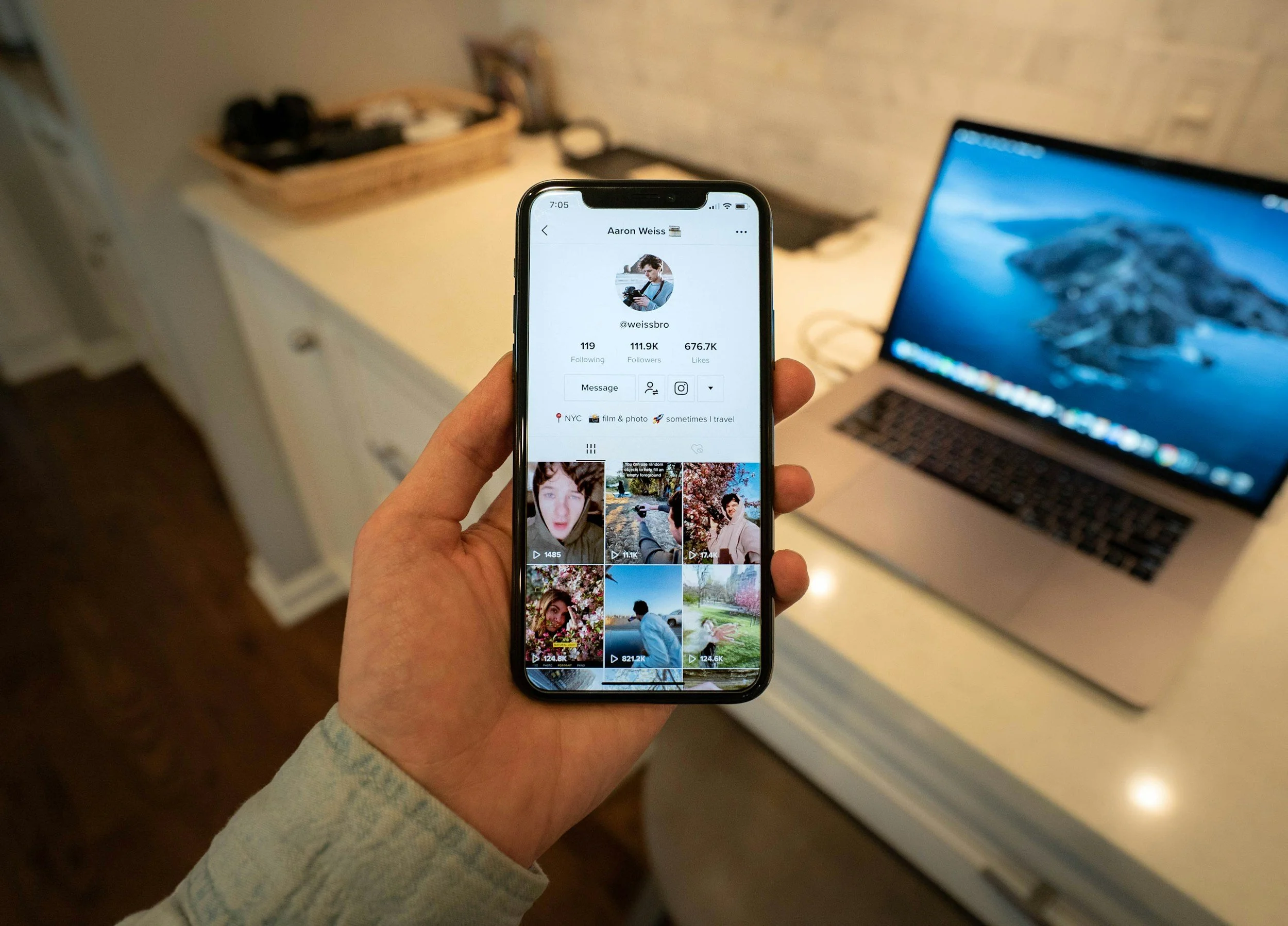
Social platforms aren’t just discovery tools anymore—they’re becoming direct sales channels.
Short-form video, creator content, and in-app checkout are changing how people buy, especially for:
Products
Digital offers
Entry-level services
What this means for small businesses
Your content is your storefront.
People decide whether to trust you long before they ever visit your website.
What to do
Create product-driven content: demos, walkthroughs, “how I use this,” FAQs, comparisons.
Simplify the path to purchase: clear offers, fast checkout, mobile-friendly pages.
Focus on education over polish: Authentic, helpful content converts better than perfect visuals.
If people can’t quickly understand why your offer matters, they won’t stop scrolling.
4. Creator Marketing Evolves: Real People > Perfect Brands
The creator economy has matured. Audiences are savvier. Trust matters more than reach.
In 2026, small businesses are winning by:
Partnering with micro-creators
Encouraging customer-generated content
Using real voices to tell real stories
What to do
Work with aligned creators: Smaller audiences, higher trust, better conversions.
Actively collect UGC: Ask customers to share how they use your product or what changed after working with you.
Repurpose content across channels: One piece of UGC can fuel ads, emails, and social posts.
People trust people. Always have.
5. Paid Ads Are More Automated—Creative Does the Heavy Lifting
Ad platforms are handling more targeting automatically. That means your edge is no longer in clever audience hacks—it’s in message clarity.
What works in 2026
Strong hooks
Clear problem-solution messaging
Simple offers
Fast-loading, focused landing pages
What to do
Test multiple messages, not just visuals
Optimize the post-click experience: Most ad problems happen after the click.
Think like a buyer: What question does this ad answer? What fear does it address?
Great ads don’t feel clever. They feel obvious.

6. Owned Audiences Are a Survival Strategy
Algorithms change. Platforms shift. Your email list stays.
Owned channels—especially email—are still one of the highest ROI marketing tools for small businesses.
What to do
Choose one primary owned channel (email is the easiest place to start).
Create one strong opt-in: A checklist, guide, or framework that solves a real problem.
Show up consistently: Weekly value beats sporadic promotions every time.
If your business disappeared from social tomorrow, would you still be able to reach your audience?
7. Trust Is the Ultimate Marketing Advantage
In an AI-saturated world, trust cuts through the noise.
People are drawn to:
Proof
Proximity
Real relationships
What to do
Lead with outcomes: Results, transformations, metrics (when appropriate).
Share behind-the-scenes content: Values, decisions, lessons learned.
Build partnerships: Referrals, collaborations, and community drive sustainable growth.
Marketing isn’t about shouting louder. It’s about being believable.
A Simple 2026 Marketing Framework for Small Businesses
Instead of doing more, do this:
1. Clarify your promise
“I help who achieve what result without what pain, using what approach.”
2. Choose your Core 3 channels
One discovery channel
One conversion channel
One retention channel
3. Publish with intention
Each week aim for:
One insight (problem-aware)
One solution (your method)
One proof point
One clear CTA
4. Track what actually matters
Leads per week
Conversion rate
Email engagement
Content driving inquiries
Vanity metrics don’t pay bills. Clarity does.
Final Thought: Marketing in 2026 Is About Alignment
The businesses that grow in 2026 won’t be everywhere. They’ll be clear, consistent, and deeply aligned with the people they serve.
AI may change how people find you—but trust is still what makes them choose you.