
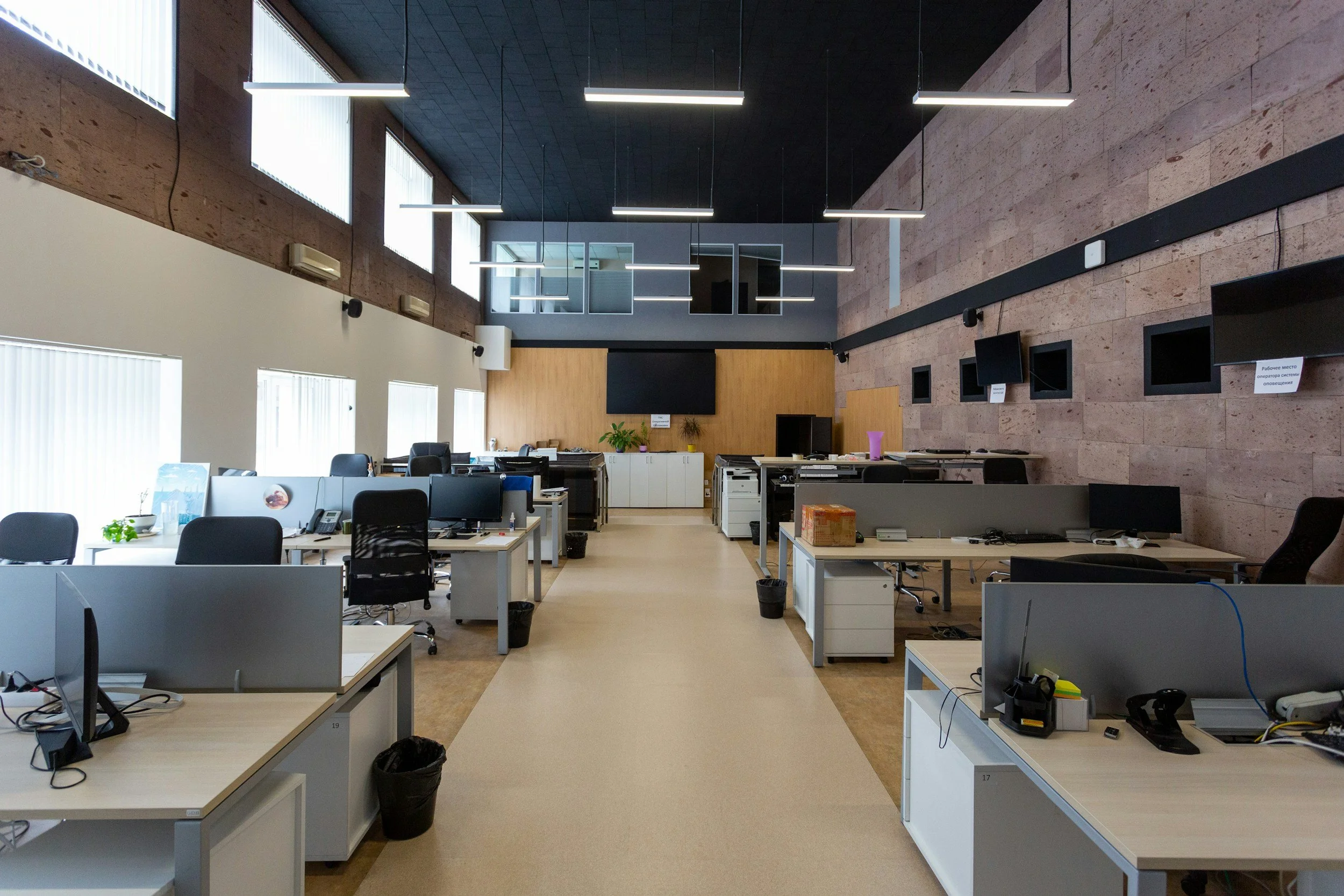
Your business's physical space is much more than just four walls; it’s a direct reflection of your brand and a critical tool for productivity. Over time, even the most stylish and functional office or storefront can start to feel dated, cramped, or simply not right for how your team works. A renovation is a big project, but with smart strategies, you can transform your space, re-energize your team, and create a better experience for your clients without disrupting your daily operations.
This guide will walk you through the key stages of a business renovation, from initial planning to the final clean-up, helping ensure your project goes smoothly.
Why Renovate Your Business Space?
Deciding to renovate means making a significant investment, so you need to be clear on why you're doing it. A well-executed renovation can really boost your business. For a client-facing business, an updated interior can improve how people see your brand and make a great first impression. A modern, inviting space tells customers you're current, successful, and pay attention to detail.
Inside your business, the benefits are just as strong. A renovation lets you rethink your layout to improve workflow and collaboration. You can create quiet zones, open areas for brainstorming, or more efficient storage solutions that remove daily frustrations for your team. This can directly boost productivity and employee morale. An improved work environment shows your team you care about their comfort and well-being, which can be a big factor in keeping employees happy and attracting new talent. The goal isn't just to make things look new; it's to make them work better for everyone.
Planning Your Project Scope
Before you call a contractor or pick out paint colors, the most important step is to define what your project will cover. A vague plan often leads to budget overruns and extended timelines. Start by separating your "needs" from your "wants." A need might be fixing a leaky roof or adding two more workstations for new hires. A want could be upgrading to high-end lighting or installing a custom reception desk. Prioritizing these will help you make smart decisions if you need to cut costs later.
Create a detailed document that outlines every part of the project. Specify which walls are moving, what type of flooring you want, and where new electrical outlets should go. The more detail you provide upfront, the more accurate your quotes will be. This is also the time to consider how the renovation will affect your daily operations. Will you need to close temporarily, or can you work in phases? A clear strategy for office remodel planning is essential to keep your business running smoothly. This detailed plan becomes your roadmap, guiding every decision and keeping your entire project on track from start to finish.
Protecting Assets During Construction
A construction zone is a chaotic environment filled with dust, debris, and heavy equipment. Protecting your existing assets, from furniture and computers to the building itself, is essential. Failing to do so can lead to costly damage that eats into your budget and causes unnecessary stress. Start by identifying everything that can be moved and storing it safely off-site or in a designated, sealed-off room. This includes desks, chairs, electronics, and important files.
For items that can't be moved, like built-in shelving, large machinery, or the floors in adjacent areas, proper covering is essential. Fine construction dust can get into everything and permanently damage sensitive equipment. Heavy-duty plastic sheeting can be used to wrap and seal electronics and furniture. For floors and surfaces, you'll need something more durable. Investing in professional-grade temporary floor and surface protection prevents scratches, dents, and stains on everything from hardwood and tile to carpet. This simple step saves you from expensive repairs or replacements and ensures your existing assets remain in perfect condition.
Managing Timelines and Budgets
Two of the biggest worries for any business owner renovating are time and money. A project taking longer than expected can mean extended disruption, while going over budget can strain your company's finances. Successfully managing both starts with realistic expectations. When getting quotes from contractors, ask them for a detailed project schedule that includes milestones for each phase of work.
Always build a buffer into your timeline and your budget. A good rule of thumb is to add 15-20% to both. Unexpected issues, like discovering hidden structural problems or experiencing shipping delays for materials, are common in renovations. Having a contingency fund and extra time built into your schedule means these surprises won't derail your entire project. Use a simple spreadsheet to track every expense against your budget. Regular check-in meetings with your contractor are also vital to ensure the project is progressing as planned. This proactive approach helps you plan a commercial renovation with confidence, allowing you to address small issues before they become major problems.
Post-Renovation Clean-Up Tips
Once the last contractor leaves, the work isn't quite done. The final step is the post-renovation clean-up, which is often more intensive than a standard janitorial service can handle. Construction leaves behind a layer of fine dust on every surface, even in rooms that weren't part of the renovation. It's wise to hire a professional cleaning crew that specializes in post-construction clean-up. They have the right equipment, like HEPA-filter vacuums and air scrubbers, to ensure the air quality is safe and every nook and cranny is spotless, which can help your business send the right signals.
Before you move furniture back in, do a final walkthrough of the renovated space. This is your chance to create a "punch list" of any minor issues that need to be addressed, such as paint touch-ups, a loose fixture, or a scratch on a new cabinet. Present this list to your contractor so they can complete these final fixes. Once the space is thoroughly cleaned and all fixes are complete, you can begin the exciting process of moving back in. Take the time to set up your new space thoughtfully to maximize its new potential and welcome your team back to an environment that’s ready for business.
A business renovation is a journey, but the destination—a more functional, beautiful, and inspiring space—is well worth the effort. Planning carefully and protecting your assets helps you ensure the process is as smooth as possible and sets your business up for its next chapter of success.