
Smart Operational Habits That Strengthen Your Export Business
Time zones misalign, suppliers shift delivery dates, customers adjust demands, and one paperwork mistake can freeze an entire shipment.
Yet strong export businesses aren’t built by eliminating chaos; they’re built by managing it. Tight operational habits keep teams steady even when the global landscape tilts.
None of this requires a massive staff or expensive software suite. It requires discipline, consistency, and a willingness to shape systems intentionally instead of reacting to problems only after they appear.
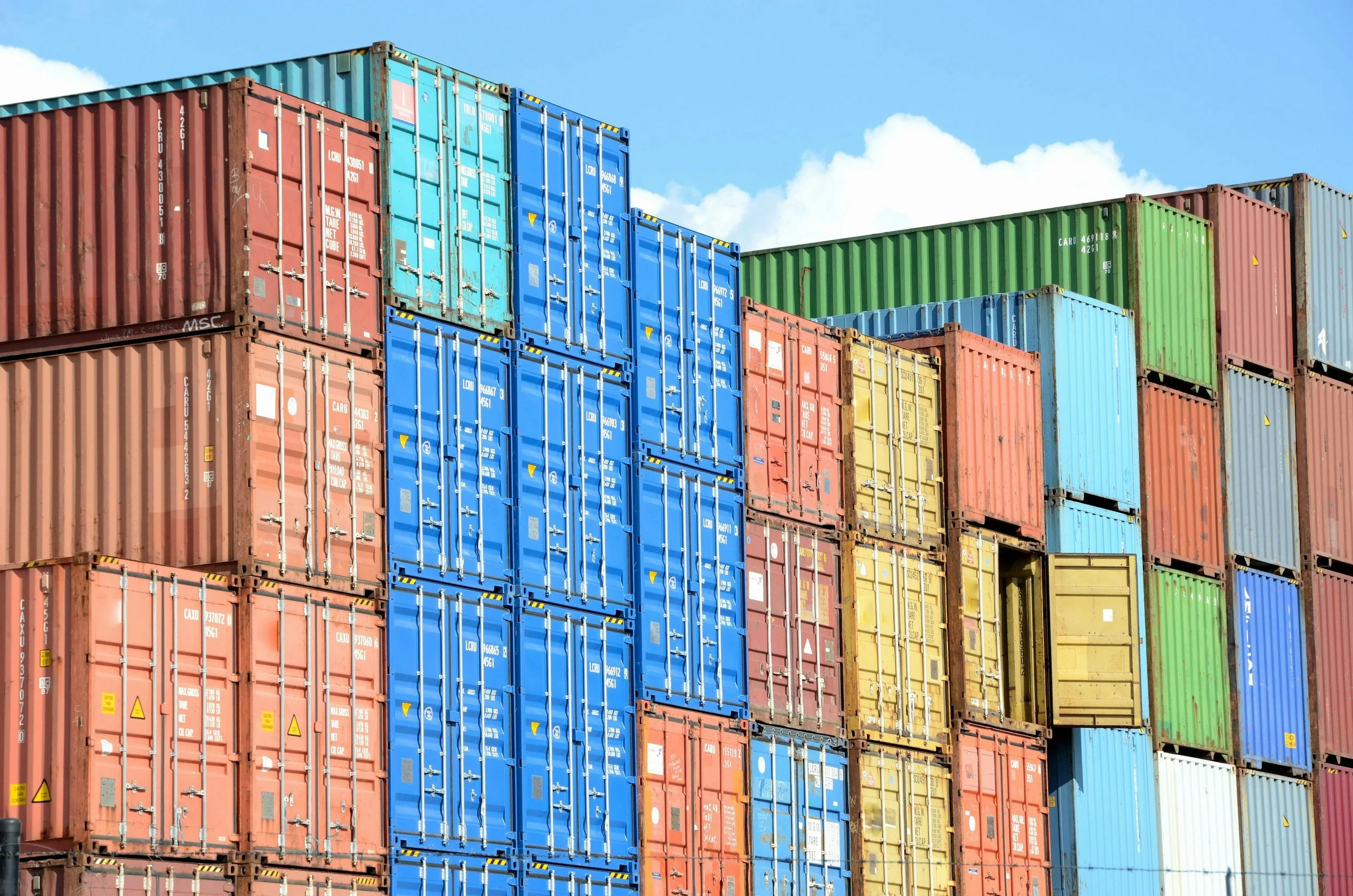
Some of these habits revolve around the obvious elements—inventory, documentation, coordination. Others involve quieter layers like the way you manage shipping containers, how you prepare your team for delays, and when you decide to rent, lease, or hire a container for more flexible capacity. The combination is what builds resilience.
Clear Movement of Goods: Systems That Keep Products From Getting “Stuck”
Logistics often falls apart not because something big goes wrong but because many small components drift out of sync. Exporters who avoid the drift tend to treat movement as a chain of predictable transitions rather than a vague process.
Breaking Down the Physical Flow
Every exported item travels through a sequence of micro-environments: receiving, staging, packing, documentation check, loading, and onward. Businesses that track these transitions with intention spot interruptions before they spread.
Interruptions typically appear in the same places—slow hand-offs, poorly labeled pallets, last-minute packing, or unclear staging zones. These problems eat up time quietly. When left unmanaged, they scale up into delivery failures or missed transit windows.
Mapping the journey of goods inside your own facility, step by step, reveals the bottlenecks you’ve grown used to ignoring. Once you see them clearly, simplification becomes doable instead of overwhelming.
The Container Equation
Containers play a larger role than most teams acknowledge. Leaving too much to chance—container arrival timing, condition, or availability—creates unnecessary tension. Having a clear system for arranging them matters, even when the volume isn’t huge.
Some operations own their units, others rotate through rentals, and some prefer short-term flexibility. Sometimes the most practical option is simply to hire a container for a specific batch cycle. This keeps goods moving without forcing long-term commitments that the business doesn’t need.
The key is consistency. Containers shouldn’t feel like a surprise element in your workflow; they should move through your system with the same predictability as inventory or staffing schedules.
Information That Moves Faster Than the Freight
Any exporter learns quickly that the world doesn’t wait for delayed paperwork. Documentation drives the entire business, and its accuracy dictates whether the shipment travels smoothly or stops at the first inspection point.
Building a Documentation Rhythm
Strong exporters create habitual checkpoints for paperwork. Not a giant end-of-week sweep, but small, periodic reviews where documents are confirmed, corrected, aligned with product codes, and matched against actual inventory.
This rhythm pulls problems into the light early—mis-typed HS codes, mismatch between declared quantity and actual load, certifications that need renewal. Removing these landmines before loading day prevents the frantic rush that destroys team morale and creates avoidable delays.
Communication Structures That Remove Guesswork
Exporting involves more actors than most business processes. Freight forwarders, customs brokers, suppliers, inspectors, inland transporters, and sometimes multiple warehouses—all need to stay aligned.
Rather than relying on scattered emails, disciplined exporters create structured communication channels. Shared dashboards, agreed update intervals, and standardized status reports reduce confusion and let everyone see what matters without noise.
The fewer surprises your partners receive, the more smoothly they work with you. Consistency builds reputation, and reputation often moves cargo faster than speed alone.
Inventory Habits That Protect Margins
Inventory is where ambition meets reality. In exporting, excess storage drains cash, while shortages derail shipping schedules. A balanced approach comes from thought-out habits, not last-minute reactions.
Forecasting With Real Constraints
Forecasting is not a guessing game; it’s a negotiation between what the market asks for and what the production line can deliver. Exporters with stable forecasts watch how external factors—seasonal trends, regulatory changes, raw material cycles—shift demand.
Yet forecasting only works when tied to capacity. A team must know how fast they can produce, how fast they can prepare loads, and how fast they can secure containers or transport slots. Aligning forecasts with these constraints prevents overpromising and the desperate scrambling that usually follows.
Controlled Buffer Zones
Instead of building enormous safety stock, smart exporters create controlled buffer zones—just enough to absorb shocks but not enough to inflate expenses. Buffer control demands regular data review but doesn’t require complex software.
One practical approach: designate micro-buffers for the most unpredictable product lines rather than stacking reserve stock across the entire catalog. This keeps storage tight and frees capital for other operational needs.
Team Habits That Anchor the Entire System
Operational excellence never comes from one star player. It grows from a team that understands its roles, communicates clearly, and anticipates complications. These habits require structure more than charisma.
Training That Mirrors Reality
Teams are often trained on ideal situations—perfect orders, perfect schedules, perfect paperwork. Exporting rarely grants such perfection.
Effective training involves exposing staff to scenarios they’ll actually encounter: missing documents, last-minute routing changes, container delays, or small inaccuracies in packing lists. The more practice they have with imperfection, the smoother they handle real-world tension.
Confidence in exporting stems from familiarity, not theory.
Accountability Without Finger-Pointing
Exporting can be stressful. When something goes wrong, people naturally look for someone to blame. But blame destroys shared responsibility.
The healthier approach is building a culture where issues are traced back to the system, not the individual. If one person repeatedly struggles with a task, the system should support retraining or process adjustment, not frustration.
When accountability is task-based, not personal, the entire workflow becomes steadier.
External Partnerships That Keep Operations Steady
Exporting demands collaboration beyond your four walls. Partnerships influence what happens before, during, and after cargo leaves.
Choosing Partners Who Match Your Pace
A forwarder that responds instantly won’t help if your internal process moves slowly. A warehouse that hurries doesn’t add value if your team needs an extra day for paperwork.
The best partners operate at a compatible rhythm. Consistency across organizations keeps shipments moving like gears in a synchronized machine instead of unpredictable bursts of activity.
Periodic Reviews Instead of Annual Surprises
Too many exporters wait until contracts renew before addressing issues. Regular operational reviews—quarterly or monthly—highlight inefficiencies early.
Ask partners what they need from you, and offer the same clarity in return. These small adjustments prevent large disruptions.
Bringing It All Together
Stronger export operations don’t require a bigger building, larger staff, or dramatic technological overhaul. They grow from habits: small, repeatable, structured actions that make the workflow more predictable.
Managing shipping containers intentionally, keeping documents clean, aligning forecasts with real capacity, maintaining structured communication, and training teams for the imperfect world—these actions turn exporting from a high-stress race into a stable, controlled system.
When these habits stack, a business doesn’t just survive global logistics. It functions with confidence. It scales without chaos. It moves goods across borders in a way that feels sustainable rather than heroic.