
Scaling an E-Commerce Business Without Letting Warehousing Costs Get Out of Control
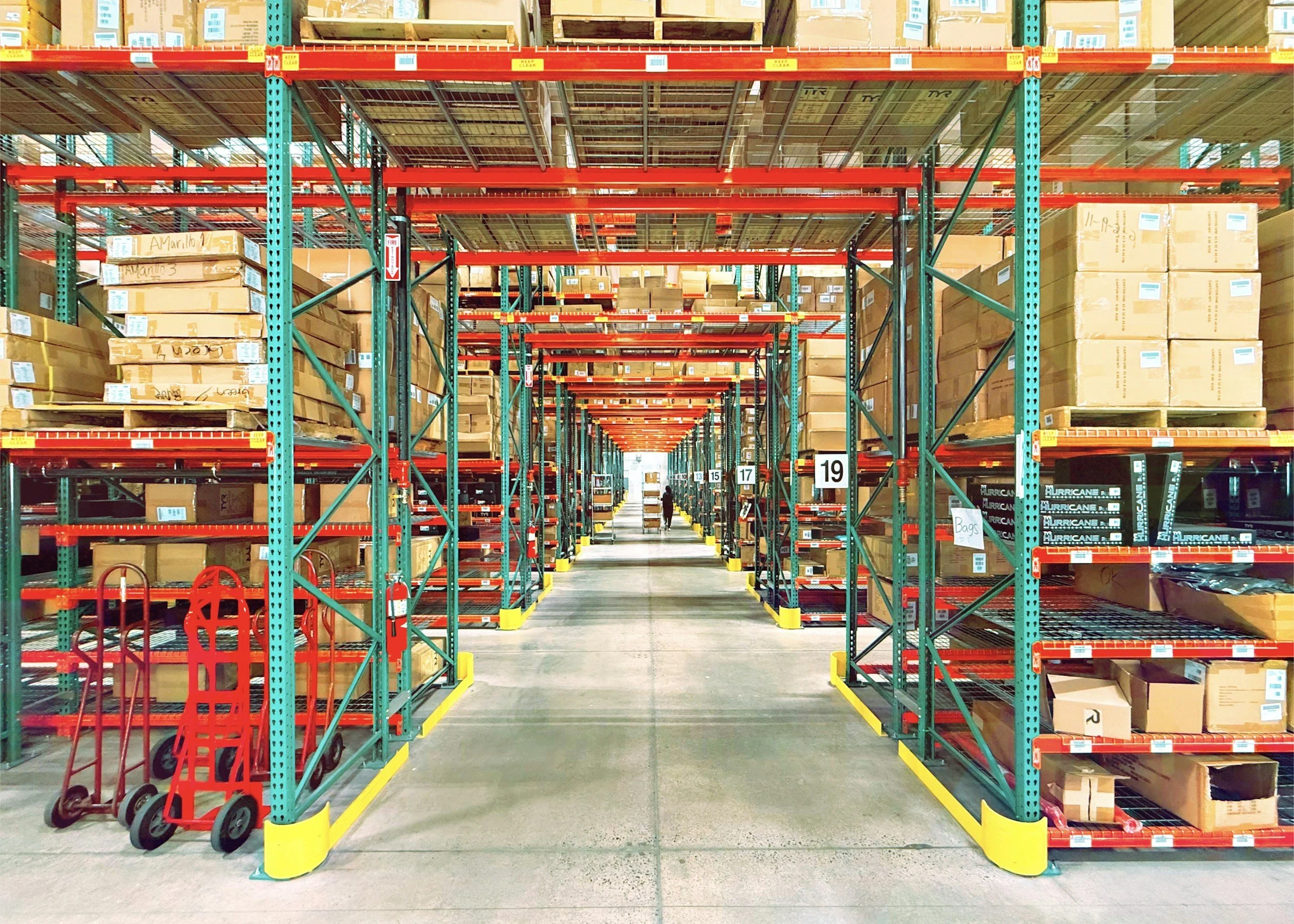
Rising order volume usually feels like an obvious win for an e-commerce business. However, growth often arrives before the business has established any discipline around where stock sits, how much space it occupies, or how effectively that space supports sales. As a result, the fulfilment centre can become more expensive faster than revenue grows.
Warehousing is rarely costly because of rent alone. Storage fees, order activity, inventory decisions, and long-term commitments do not always move in step with demand. That disconnect can quietly absorb the margin created by scaling, leaving operators to determine what is driving the increase and which decisions can genuinely move the number.
What Your Warehousing Bill Is Actually Made Of
Storage fees may be based on pallet positions, shelves, bins, or cubic feet, so the billing unit determines which products cost more to hold. Tall, lightweight products may waste pallet space, while dense, heavy goods can make cubic-foot billing less favourable.
Receiving, pick and pack, and packaging materials are charged separately from storage. Consequently, two merchants paying the same rate for space can receive very different bills because their order activity and handling requirements differ.
An in-house operation carries the same underlying costs in another form. Labour, racking, forklifts, heating, lighting, insurance, and supervisory overhead remain part of the calculation, even when they do not appear as separate invoice lines.
Returns also belong in the warehousing calculation rather than the shipping budget. Reverse logistics requires staff to inspect, restock, or write off goods, while returned units continue occupying fulfilment centre space.
Finally, guessing future space requirements is where overspending often begins because rent stays fixed while stock fluctuates. Pallet counts, cubic-foot calculations, and a warehouse space calculator can tie capacity to actual SKU dimensions and turnover before a lease fixes the cost.
Why Cost per Order Climbs as Volume Grows
Merchants often expect storage spending to rise in proportion to revenue. However, quarterly e-commerce sales data provides continuing context for growing online demand, while warehouse capacity expands in blocks rather than neat increments.
The Fixed and Variable Split
Rent, racking, equipment, and salaried supervisors remain broadly fixed until the building reaches capacity. Cost per order can therefore decline as more orders pass through the same setup. Once the operation needs another unit, mezzanine, or shift supervisor, fixed spending jumps before the additional capacity is fully used.
Variable costs behave differently. Pick and pack charges, packaging, and seasonal labour increase with each order, so a promotion that doubles dispatch volume can immediately double this portion of the bill.
Contracts may preserve that higher cost after the sales spike ends. Minimum-volume commitments, long notice periods, multi-year leases, and annual storage fee escalators can turn last year’s peak into this year’s baseline.
Numbers That Show Costs Are Slipping
Three monthly figures reveal whether growth is paying for the warehouse:
Warehousing cost as a percentage of revenue shows whether operational spending is outpacing sales.
Cost per order separates warehouse efficiency from top-line growth.
Storage cost per unit exposes slow turnover, even when order processing remains efficient.
The direction matters more than a universal benchmark. If a hypothetical merchant grows from 5,000 to 7,000 monthly orders while cost per order rises from £4 to £5, the warehouse may have crossed a capacity step or accumulated inefficient stock. During a growth month, rising cost per order is an early warning because stronger volume should spread fixed costs rather than amplify them.
In-House, 3PL, or a Hybrid Setup
The central choice concerns cost behaviour rather than the lowest quoted rate. In-house warehousing converts much of the expense into fixed overhead, while third-party logistics (3PL) turns more of it into per-unit charges. The appropriate balance depends on volume stability and handling requirements.
When Your Own Space Earns Its Keep
Owned or leased space works best when predictable, year-round demand keeps racking and staff productive. It also provides control for oversized goods, regulated inventory, unusual handling, or heavily customised packing that a standard fulfilment centre cannot process efficiently.
However, that control carries costs that basic rent comparisons miss. Supervisor time, forklift maintenance, insurance, recruitment, and unused capacity between seasonal peaks all sit with the merchant. When comparing inventory storage alternatives, the meaningful in-house figure is the fully loaded annual cost divided by realistic order volume, not the building’s monthly rent.
What You Trade for 3PL Flexibility
A 3PL removes the fixed floor of operating a warehouse but charges separately for receiving, storage, pick activity, packaging, and dispatch. Slow-moving products become particularly expensive because they generate recurring storage fees without producing enough orders to offset them. A long-term storage surcharge deepens that imbalance.
Hybrid arrangements change the split. Fast-moving core SKUs remain in owned or leased space, where predictable throughput supports fixed costs. Seasonal, overflow, and long-tail inventory moves to a 3PL, allowing capacity to expand without committing the entire operation to another building.
Distributed inventory introduces another calculation. Holding stock in two regions raises total storage requirements and can duplicate safety stock, but it may reduce shipping costs and transit times. The second location earns its place only when regional order density produces enough savings to exceed the additional receiving, storage, and inventory costs.
The Inventory Habits That Inflate Storage Costs
Storage overspending often begins as an inventory decision and appears months later as a warehouse bill. More space will not correct weak purchasing discipline. Instead, it gives excess stock somewhere more expensive to remain unnoticed.
Overstock, Dead Stock, and SKU Creep
Low inventory turnover is the clearest sign that space is not working hard enough. Every additional turn reduces the average number of units occupying shelves, while dead stock consumes capacity without supporting current orders. A quarterly clearance or write-off decision can cost less than storing unsellable goods indefinitely.
SKU count matters even when total unit volume remains stable. Each variation may require another bin, pick location, replenishment task, and safety stock line. Assortment growth therefore lengthens pick paths and raises space requirements faster than headline inventory volume suggests.
Velocity-based slotting offers a practical first correction. Fast sellers can sit near packing stations at accessible heights, while slower lines occupy less convenient locations and vertical cube. This improves space utilisation and fulfillment workflow efficiency without adding floor area.
Peak Demand and Long-Term Storage Fees
Safety stock should not remain fixed after demand changes. Recalculating it by SKU against actual variability prevents a temporary buffer from becoming permanent inventory.
Peak-season overbuying creates a similar hangover. Unsold seasonal goods remain after demand falls, precisely when they are least likely to move, and can trigger a long-term storage surcharge.
Demand forecasting and a warehouse management system (WMS) can improve purchasing and slotting across a large catalogue. At low volume, however, setup work and subscription costs may exceed the savings. Better reorder discipline, velocity-based locations, and fuller use of vertical space can come first, while a WMS becomes more valuable once SKU complexity makes manual control unreliable.
Keeping Storage Spend Tied to Real Demand
Warehousing costs remain controlled when space, contracts, and stock levels follow actual sales rather than a hoped-for peak. Reviewing them on the same monthly cadence exposes rising cost per order before another lease, staffing layer, or storage surcharge becomes difficult to reverse.
The objective is not to minimise warehouse spending at every stage. Instead, each added pallet position, fee, or fixed commitment should support inventory that moves and orders that justify the capacity.