
Retail Dead Zones: How to Wake Up Low-Traffic Areas
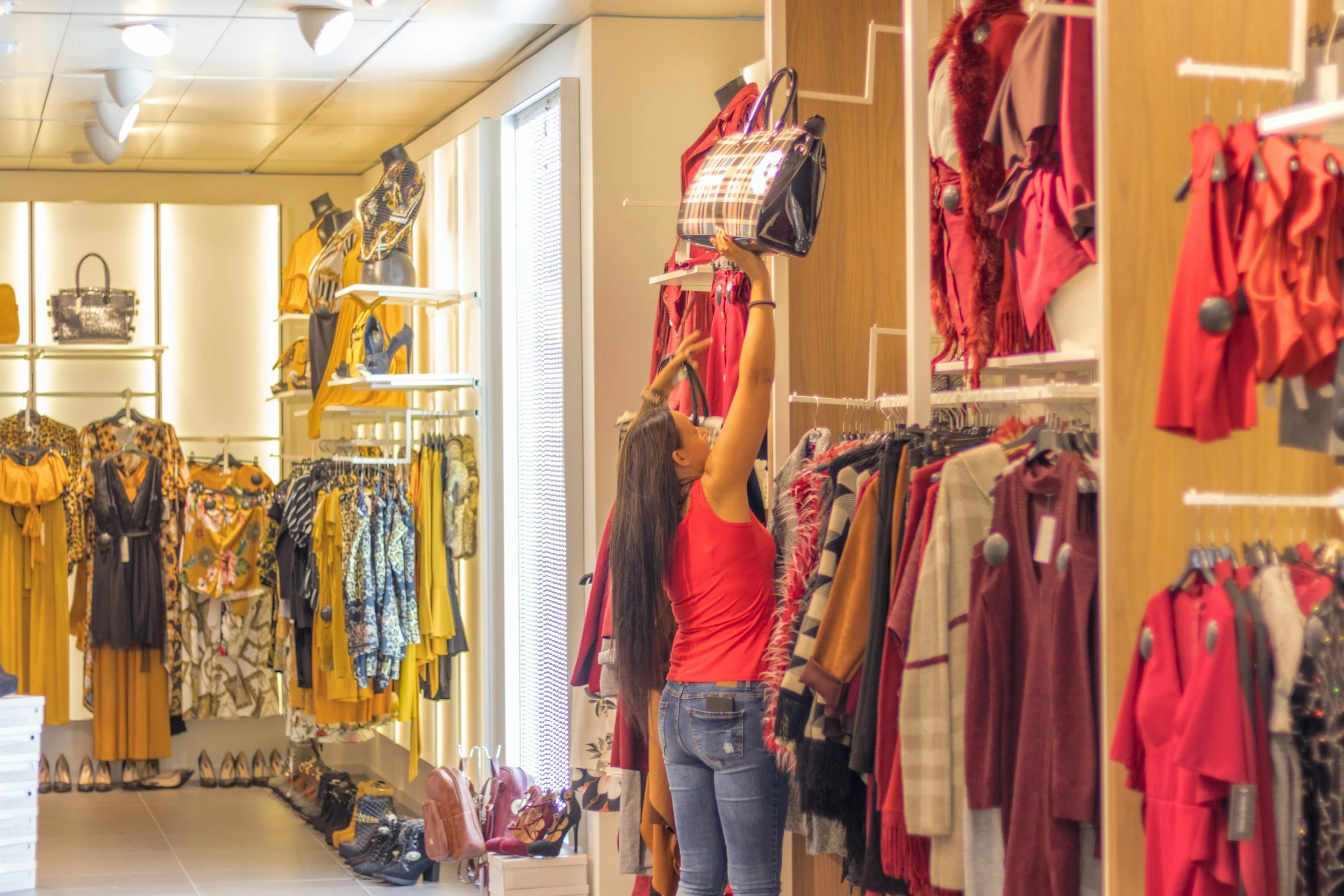
Every retail store has them. Corners shoppers pass without slowing down, aisles that feel invisible, and sections where products quietly collect dust. For small business owners and entrepreneurs, these low-traffic areas represent a lost opportunity rather than a permanent problem. With planning and customer-focused adjustments, underperforming spaces can become active contributors to overall store performance.
Revitalizing these zones does not require a full remodel or a massive budget. It requires attention to shopper behavior, visual cues, and how people naturally move through a space.
Start With Traffic Flow Awareness
The first step is observing how customers move once they enter the store. Most shoppers follow predictable patterns. They turn right after entry, linger near eye-level displays, and avoid areas that feel narrow or disconnected. Low-traffic zones often sit outside these natural paths.
Simple changes can redirect movement. Adjusting aisle orientation, widening walkways, or removing visual barriers helps customers feel comfortable entering quieter areas. Mirrors, open shelving, and consistent lighting can make these spaces feel connected rather than isolated. Understanding movement patterns turns guesswork into informed action.
Use Purposeful Product Placement
Products placed in low-traffic areas should invite discovery rather than demand it. High-consideration or slower decision items often perform better in calmer spaces where shoppers can browse without pressure.
Grouping complementary products creates a reason to explore. For example, pairing accessories with core items encourages cross-shopping. Rotating featured products into underused zones also refreshes interest without altering inventory. Clear signage explaining why items belong together helps shoppers engage quickly and confidently.
Create Visual Signals That Pull Attention
Shoppers respond to contrast and focal points. Low-traffic areas often lack visual signals that communicate importance. Strategic use of color, lighting, or display height draws the eye and encourages movement.
Lighting does not need to be brighter everywhere, but it should be intentional. Accent lighting can guide shoppers toward quieter zones. Floor decals or subtle directional graphics also provide cues without overwhelming the space. From the outside, outdoor digital signage can preview in-store experiences or highlight sections customers might otherwise miss, setting expectations before they enter.
Turn Dead Zones Into Experience Zones
Experience-based retail changes how customers interact with space. Low-traffic areas are ideal for demonstrations, sampling, or interactive displays. These activities create a destination rather than a pass-through.
A small try-it station, fitting area, or product comparison setup invites shoppers to pause. Even simple hands-on elements increase dwell time and make areas feel active. When customers see others engaging with a space, curiosity builds naturally.
Leverage Seasonal and Limited-Time Themes
Temporary themes bring urgency and relevance. Low-traffic zones can host seasonal collections, limited-time offers, or rotating features tied to holidays or local events.
These setups signal freshness and encourage repeat visits. Shoppers learn that these areas change, which builds anticipation. Clear timeframes also reduce hesitation and motivate quicker decisions. Seasonal focus works best when paired with consistent updates so the area never feels forgotten.
Improve Sightlines and Reduce Confusion
Confusing layouts discourage exploration. Low-traffic areas often sit behind tall fixtures or unclear signage. Improving sightlines helps shoppers see what lies ahead and decide to continue walking.
Lowering shelving near entrances to these zones or repositioning tall displays opens visual access. Clear category markers and simple messaging reduce mental effort and encourage exploration. When shoppers know what to expect, they are more willing to enter new sections.
Integrate Staff Engagement Strategically
Staff presence influences movement. Associates positioned near low-traffic areas can subtly guide customers through conversation and assistance. This approach works best when staff engagement feels natural rather than directive.
Training staff to introduce these areas during interactions helps normalize them as part of the shopping journey. Even a casual mention can redirect traffic. Staff should understand the purpose of each zone so recommendations feel informed and relevant.
Use Data to Test and Adjust
Small changes deserve measurement. Tracking sales by zone, dwell time, or conversion rates helps identify what works and what does not. Short testing periods allow adjustments without long-term commitment.
Moving displays, adjusting lighting, or swapping product categories can yield quick insights. Data-driven decisions reduce risk and build confidence in future changes. Consistency in review prevents low-traffic zones from slipping back into neglect.
Align Low-Traffic Zones With Brand Identity
Every area of the store should reflect the brand story. When quieter zones feel disconnected from the overall experience, shoppers subconsciously avoid them.
Using consistent materials, messaging tone, and design elements reinforces cohesion. Even experimental spaces should feel intentional rather than improvised. A unified environment builds trust and encourages exploration throughout the store.
Low-traffic areas do not fail because of their location alone. They struggle when they lack purpose, visibility, or connection to the broader experience. With thoughtful adjustments rooted in observation and creativity, these spaces can become productive assets rather than overlooked corners. For small businesses and entrepreneurs, revitalizing underused zones is one of the most practical ways to increase performance without expanding square footage. Check out the infographic below for more information.

Retail Dead Zones: How to Wake Up Low-Traffic Areas