
Overlooked Essentials That Make or Break Bar and Restaurant Operations
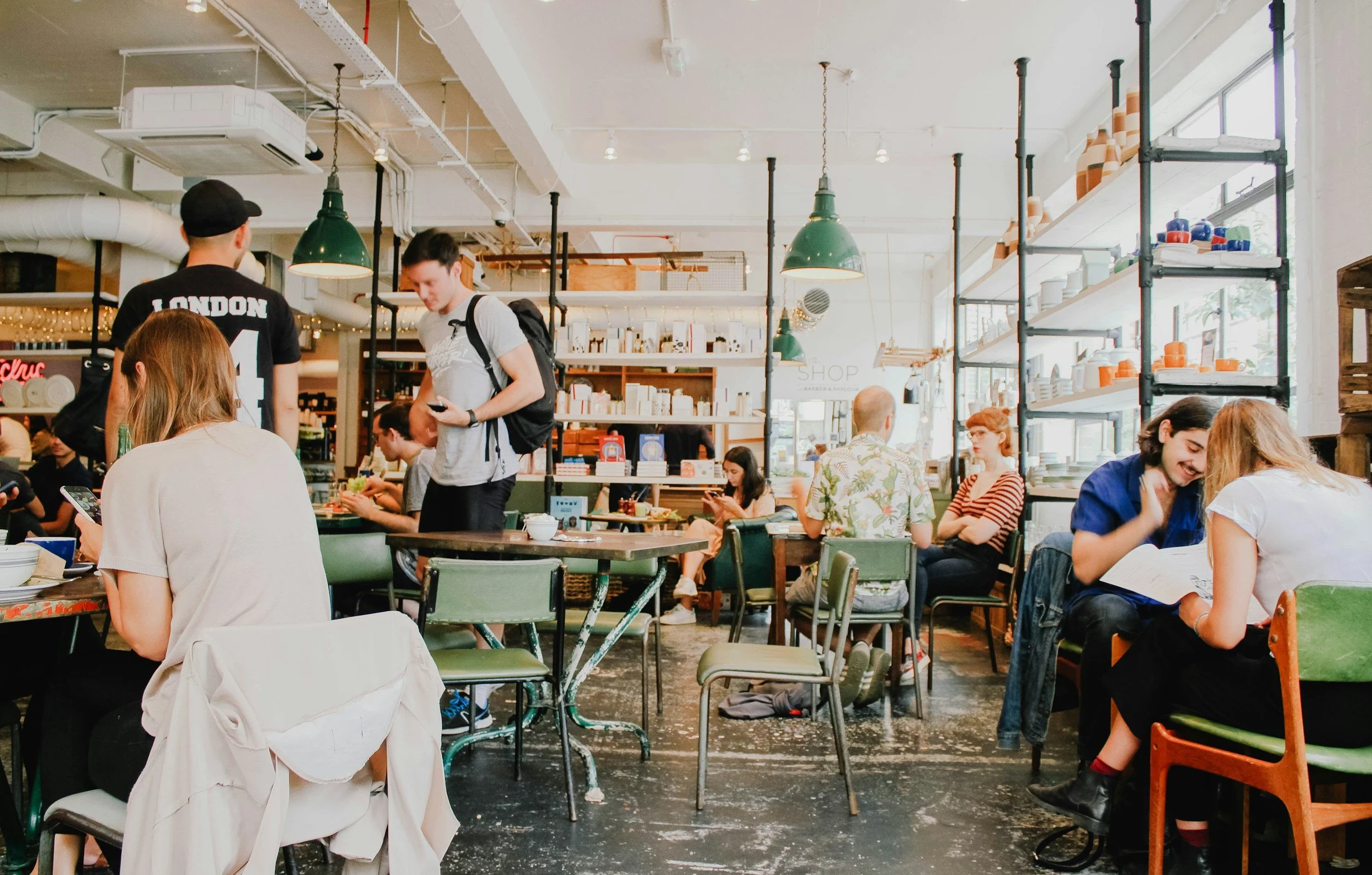
Ever wonder why two bars on the same block can have wildly different results?
One is hopping every night. The other one can't pay the bills. Same spot. Same customers. Similar prices on the menu.
Most times it's the little things that separate them. The things that don't get discussed because they aren't sexy. The nuts & bolts that go into making EVERYTHING happen. Things like your margins. And the way your customers feel when they leave your business.
Here's the kicker: 43% of operators cite rising costs as their biggest hurdle of 2022. When margins are this thin, the inefficiencies you've been overlooking are what will silently kill you.
Here are the hidden details that can make or break your bar and restaurant operations – and how to nail each one.
Here's what's inside:
Why the "Small Stuff" Matters More Than You Think
Gas and Dispensing Systems
Inventory and Waste Control
Staff Training and Retention
Cleaning, Maintenance and Safety
Why the "Small Stuff" Matters More Than You Think
Most operators focus on the flashy things.
New items on the menu. A fresh coat of paint. A cool new logo. Yeah, they turn heads. But they won't stop the steady drip of operational problems eating away at your profits week after week.
Think about it:
A leaky beer line costs you money on every single pour
A messy backroom slows every single shift
A poorly trained bartender makes drinks inconsistent
A dirty walk-in wrecks food quality
Taken one at a time, these seem insignificant. Multiplied throughout the year? They're what separates a growing venue from a shuttered one. Mundane, maybe, but the foundation on which everything else is built.
Fix the boring stuff first. Everything else gets easier.
Gas and Dispensing Systems
Let's talk about something almost every bar owner underestimates...
Your CO2 and Dispensing System. Serving draft beer, soda or sparkling cocktails means you're using CO2 to get product from keg/bag to glass. When your system is out of balance, you lose money on every pour — just foamy beer can cost around $123.50 per keg in lost product.
That's a lot of beer. Times that by the number of kegs received each week and you quickly lose volume.
Here is what to check on your system:
Cylinder size matches your volume
Regulators are set at the correct PSI
Hoses and couplers are leak-free
Storage area is well-ventilated
A lot of bars are converting to this small aluminum cylinder as they are much easier to replace. They are lighter for employees to lift, and they won't rust away after years of use. If yours are old and dented or haven't been replaced in forever, you can view CO2 cylinder options that will fit behind your bar.
CO2 is hazardous when inhaled in confined areas. Keep cylinders upright and chained down. If ventilation is inadequate, install a CO2 alarm.
Inventory and Waste Control
Ready to hear something painful?
Bars and restaurants are typically over-pouring/spillage/spoilage/theft 15-25% of their entire inventory and not even knowing it. Why? Because they aren't tracking metrics close enough.
Inventory does not happen "once a month". It's something that should happen daily and directly relate to your POS data.
Here's how to tighten it up:
Do a full stock count every week (yes, weekly)
Match pour counts against sales in your POS
Set par levels for every single product
Rotate stock so nothing sits and spoils
Investigate any variance over 3%
Throwaway is the death of your margins. Every cocktail poured down the sink, every steak tossed back, every case of beer that goes bad in the back...that's money you already spent. Account for it. Pursue it. Correct it.
Venues that have the tightest inventory controls are nearly always the most profitable. It's no accident.
Staff Training and Retention
Your team is the product.
Decor won't make customers return to your bar. Exceptional service will. But customer service all starts with your employees. And 75% of operators say recruiting and retaining employees is their biggest challenge today.
That's a scary number. But there is a fix.
Great venues do these things:
Onboard properly with a written training playbook
Cross-train staff so nobody becomes a bottleneck
Pay a little above the local average
Recognise good work in front of the whole team
Offer flexible scheduling wherever possible
Cheap training costs you money. Cutting corners on onboarding means slower service, more errors, dissatisfied customers and employee turnover. Everything costs more than properly training someone would have upfront.
Treat the staff room like it matters. Because it does.
Cleaning, Maintenance and Safety
This is the least glamourous of them all... but it could be the most important.
A dirty bar or restaurant is a lawsuit waiting to happen. A poorly maintained venue is a breakdown waiting to happen ... usually on your busiest night of the year.
Build a checklist your team follows without even thinking about it:
Daily deep-clean of taps, wells and speed rails
Weekly cleaning of draft beer lines
Monthly service on ice machines and refrigeration
Quarterly inspection of gas lines and fire safety gear
Ongoing HACCP records if you serve food
Regular grease trap pumping and disposal
That last one catches a lot of restaurant owners off guard. Grease traps fill up fast in a busy kitchen, and once they do, you're looking at slow drains, foul odours, and the kind of health inspection result that ends up on social media. Most commercial kitchens need a cleanout every 30 to 90 days depending on how much cooking they do. Working with a professional service like D & L Environmental Ltd. takes it off your plate entirely; they handle the pumping, cleaning, and proper disposal so you stay compliant without having to think about it.
The places that get it right are dull, predictable, and financially successful. The places that don't are the ones you hear about when some health inspector shuts them down. Pick wisely.
Bringing It All Together
The overlooked essentials really do make or break bar and restaurant operations.
You can spend your marketing budget on slick campaigns. You can spend big bucks on an interior designer to remodel the inside of your store. But if you have a leaking CO2 system, theft eating your inventory, poor staff training, and a filthy walk-in... All that other stuff won't matter.
To quickly recap:
Fix the boring operational stuff first
Get your gas and dispensing system dialled in
Track inventory weekly, not monthly
Invest in your team like it's an asset (because it is)
Keep the venue clean, safe and well-maintained
Master these five areas and everything else about your business becomes much easier. Neglect them and you'll be struggling to survive on each and every shift until you close forever.