
Optimizing Business Operations Through Dell Rack Server Solutions
Looking to optimize your business infrastructure?
Every business eventually reaches an inflection point in their growth where their server infrastructure either enables more growth… or gets in their way. The right servers lead to:
Faster data processing
Improved operational efficiency
Lower overall costs in the long-term
But here's the thing, selecting the wrong server solution from the get-go is a major drain on resources and a bottleneck on potential growth. To stay competitive, businesses need to make targeted investments in rack server solutions that actually deliver performance.
The data supports this too. The global data center rack server market size was valued at $96.5 billion in 2024. It's predicted to reach $211.9 billion by 2030. This trend is the result of companies across the board upgrading their infrastructure for a reason.
So how do you know you're making the right decision?
In this guide, you're going to find everything you need to know about why Dell rack servers are quickly becoming the preferred solution for businesses looking to take their operations to the next level.
What You'll Learn:
Why Rack Servers Matter For Business Growth
Key Benefits Of Dell Rack Server Solutions
How To Choose The Right Configuration
Making The Switch: What To Expect
Why Rack Servers Matter For Business Growth
In a nutshell, rack servers are the secret sauce that fuels most business infrastructure.
Here's a scenario for you… every time a customer visits a website, processes a transaction, or looks up company data – servers are handling that workload. The difference between an efficient operation and a grinding crawl is often at the server level. It's this need for efficient server performance that made rack servers so popular.
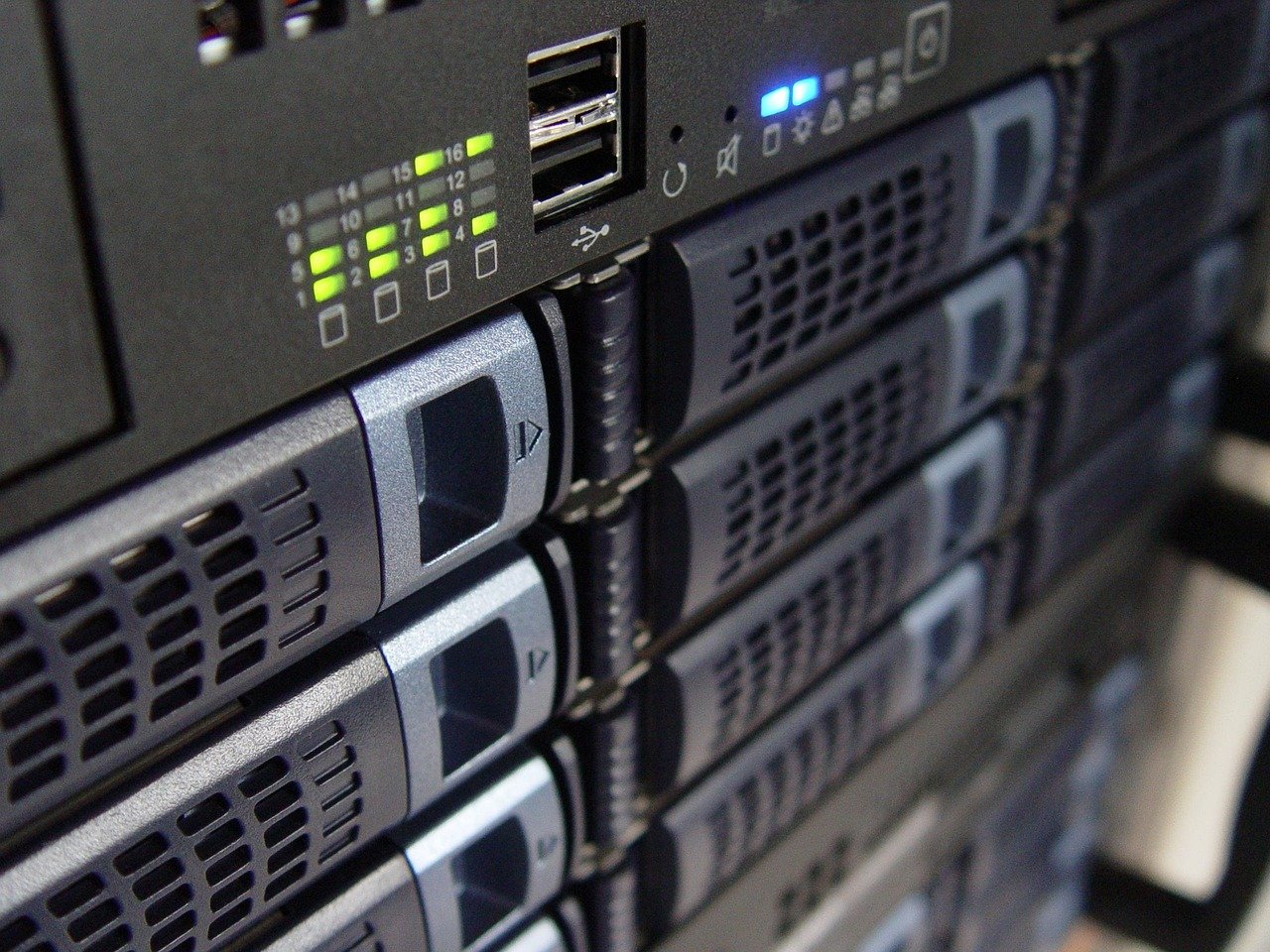
Traditional tower servers used in the past are space hogs. They're harder to manage, scale and upgrade. Rack servers fit vertically inside standardized racks and resolve many of these issues.
This matters because it's now possible to fit way more computing power into smaller spaces to support business growth.
It's no wonder rack servers accounted for 60% of revenue share in the data center server market in 2023. The massive preference for this solution across the business spectrum exists because it works so much better for most use cases.
Dell has been at the forefront of this shift with their own line of PowerEdge rack servers. Businesses are choosing Dell because it focuses on building servers with:
High-density computing capabilities
Scalability that can grow with the business
Reliable, consistent performance
Energy-efficient operation
Key Benefits Of Dell Rack Server Solutions
What makes Dell rack servers stand out?
Space Efficiency
One of Dell's most notable advantages comes in the form of space utilization. Unlike expansive and bulky tower server setups, rack-mounted systems stack neatly inside standardized cabinets. It's a simple change in the overall form factor, but the benefits for businesses with limited space are game-changing.
Scalability That Grows With You
One of the biggest nightmares in server infrastructure is what happens when a business needs to scale. Dell rack servers elegantly solve this problem. Want more computing capacity? Plug in another server to the existing rack. No major reconfiguration needed. No expensive infrastructure overhaul necessary. This beautiful modularity lets you pay for what's needed right now and keep the option open for easy expansion later.
Energy Efficiency
Here's a fun fact most business owners don't realize. Server power consumption adds up way faster than people anticipate. But that's where modern Dell rack servers are built with energy efficiency right into their DNA. Highly optimized power supplies and components keep electricity bills down.
The cooling benefits aren't bad either. Dell rack servers enable better airflow management compared to traditional configurations. This reduces the load on data center cooling systems, slashing operational costs even more.
Easier Management
Picture this scenario —> managing a server sprawl without integrated management tools. It’s a nightmare!
Dell's solution comes in the form of their comprehensive server management software. Remote monitoring, automated software updates, and centralized control. These are the kinds of features that save IT teams hours upon hours.
The return on investment is simple: less time and energy wasted on infrastructure. More time to focus on projects that directly benefit the business.
How To Choose The Right Configuration
Listen, there are many different Dell rack servers out there. Figuring out which configuration makes the most sense for a specific business is a decision that requires some thought and understanding of the options available. Getting it right up-front is what can save a lot of headaches later.
Assess Your Workload Requirements
Start by taking inventory of what the servers will actually need to process. Needs for a high-traffic public-facing website are going to be different from the requirements for a data analytics platform.
Video rendering has different demands than basic file storage. Each application has to be taken into account.
Questions you should be asking are:
What applications will run on the servers?
How much data needs to be processed on a daily basis?
What are the expected peak usage periods for the servers?
How fast is the business likely to grow?
Consider Your Physical Space
Not all rack servers are created equal. Rack units are measured in "U" units of space. A 1U server will be a much more compact, space-efficient solution than a beefier 4U server with more expansion slots and drive bays.
Planning for the physical space makes sure you know how many servers can be accommodated at one time. This has to be done right to avoid some very expensive mistakes down the road.
Think About Redundancy
Outages are the business equivalent of kryptonite.
Dell rack servers have different levels of redundancy in terms of power supplies, RAID configurations, and failover capabilities. Businesses need to take downtime into account when considering the amount of redundancy necessary for their needs.
If your applications absolutely cannot go down, then spend the money on Dell's higher-end options. Mission-critical uptime isn't optional, it's a necessity.
Budget For The Long Term
When evaluating which Dell rack server configuration to choose, don't fall into the trap of looking only at the upfront sticker price. Consider the long-term costs of power consumption, cooling requirements, maintenance efforts, and future expansion. A slightly higher cost now could save a business thousands of dollars over the long-term with greater efficiency.
Making The Switch: What To Expect
It takes time to migrate to Dell rack server solutions. If it's done right, the transition process can be relatively painless for most businesses. Here's what most can expect from the process:
Assessment Phase: Identify and analyze the current state of IT infrastructure, key bottlenecks, and requirements mapping before proceeding with the switch. This is what can make sure the newly implemented solution actually addresses existing pain points.
Migration Planning: Migration of data is typically the most tedious and risky part. Carefully planning out each step is the most reliable way to minimize downtime and secure critical information during the transition process.
Deployment: Physical installation of servers, network configuration, and other system setup. Dell has a robust knowledge base and support options to make this go as smooth as possible.
Optimization: Performance monitoring, ongoing configuration tweaking, and tuning for maximum efficiency are the final steps. This continuous process is what extracts the most value from the investment.
Wrapping It Up
When you really start to peel the onion back on Dell rack server solutions, it's clear that the path to optimized business operations is already laid out. The advantages start to add up pretty quickly, which all leads to better utilization of space, true scalability, reduced energy costs, and easier day-to-day operations.
If a business is serious about growth and positioning for the future, upgrading server infrastructure isn't just a luxury. It's become a requirement.
The data center market is booming for one simple reason: companies recognize the competitive advantage a rock-solid foundation provides. Dell rack servers represent a tried-and-tested solution that thousands of other businesses have already invested in.
Upgrading from antiquated tower servers or building an infrastructure from scratch, Dell rack server solutions are worth every ounce of consideration. The hardware is mature, the software and support ecosystem is incredibly robust, and the ROI is well-established and understood.
The only question is… when will the decision be made to upgrade?