
Moving People Efficiently: A Guide To Crowd Flow At Events
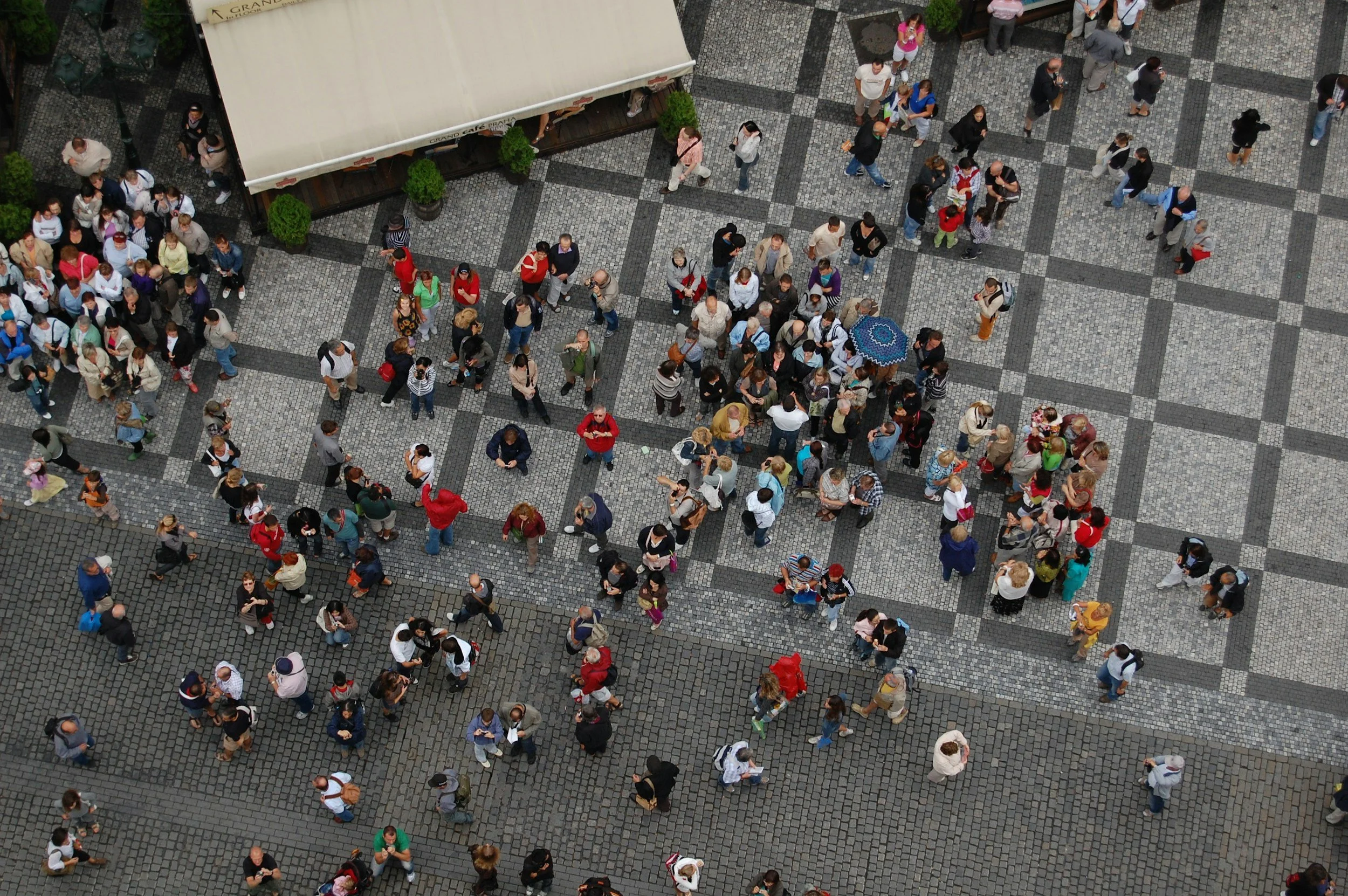
Large gatherings can create valuable opportunities for service-based businesses. Trade shows, networking events, community expos, open houses, conferences, and industry meetups allow business owners to connect with prospects, partners, and clients in person. However, even a well-planned event can suffer if attendees struggle to move through the space comfortably. Poor crowd flow can lead to congestion, frustration, missed conversations, and lower engagement.
Why Crowd Flow Matters
Crowd flow refers to how people move throughout an event space. Every attendee enters, registers, explores exhibits, attends presentations, visits vendors, and exits. When movement feels natural and organized, people tend to stay longer and interact more frequently.
Poor crowd flow creates bottlenecks that discourage participation. Attendees may skip exhibits, avoid crowded areas, or leave earlier than planned. Vendors in congested areas may struggle to attract visitors, while those in low-traffic zones may receive less exposure. For service-based businesses that depend on conversations and relationship building, these challenges can reduce event value significantly.
Start With a Clear Layout
Successful crowd management begins before attendees arrive. Event organizers should evaluate the venue and identify primary traffic routes. The entrance, registration area, presentation spaces, vendor booths, restrooms, food stations, and exits all influence attendee movement. These destinations should be arranged to encourage smooth circulation rather than forcing people through narrow pathways.
A simple floor plan often works best. Attendees should be able to understand where to go without confusion. Long dead-end aisles or isolated sections frequently create uneven traffic patterns. Mapping anticipated attendee movement before the event can reveal potential problem areas early in the planning process.
Design Entry and Registration Areas Carefully
Many crowd flow problems begin at the entrance. Registration tables, ticket scanning stations, and welcome desks should have enough space to accommodate peak arrival periods. If attendees arrive simultaneously, lines can form quickly.
Separate check-in stations based on attendee type can improve efficiency. For example, pre-registered guests, walk-in attendees, vendors, and speakers may each have dedicated lines.
Clear signage is equally important. Visible welcome banners can help attendees identify the entrance and registration area immediately, reducing confusion and unnecessary crowding. The goal is to move people into the event space smoothly without creating backups at the door.
Create Wide and Predictable Pathways
Attendees naturally gravitate toward open spaces. Narrow aisles can create congestion, especially during busy periods. Trade show booths, displays, and seating areas should leave sufficient room for two-way traffic. People often stop unexpectedly to view exhibits or start conversations, so planners should account for these pauses when determining aisle widths.
Main pathways should be wider than secondary routes because they typically handle greater traffic volume. Consistent traffic patterns also help. Attendees should not need to repeatedly reverse direction or cross through crowded areas to reach key destinations.
Position High-Demand Attractions Strategically
Popular attractions can quickly create bottlenecks. Presentation stages, demonstrations, food stations, prize drawings, and featured exhibitors often attract large groups. Positioning these attractions near entrances or major intersections can cause traffic disruptions.
Instead, event planners should distribute popular destinations throughout the venue. This encourages attendees to explore multiple areas and helps balance traffic patterns. Spacing high-interest attractions apart also benefits vendors by exposing attendees to a broader range of exhibitors and services.
Use Signage to Guide Movement
Attendees make hundreds of small decisions during an event. Clear signage helps simplify those decisions. Directional signs should identify major destinations such as registration, restrooms, breakout rooms, exits, and food service areas. Consistent design and placement improve visibility.
Many crowd flow problems stem from uncertainty. When attendees stop to determine where to go next, they often create congestion. Effective signage reduces hesitation and keeps traffic moving. Digital displays can also provide schedules, maps, and announcements that help attendees plan their route through the event.
Consider Seating Placement Carefully
Seating areas affect movement more than many organizers realize. If seating is placed directly within major walkways, people stopping to rest or network can obstruct traffic. Dedicated seating zones positioned slightly away from primary pathways often work better.
Networking events may benefit from multiple small seating clusters rather than one large centralized area. This approach encourages conversation while reducing crowd concentration in a single location. Flexible seating arrangements can also be adjusted throughout the event if traffic patterns change.
Manage Traffic Around Vendor Booths
For service-based businesses exhibiting at trade shows, booth placement and design influence visitor flow. Open booth layouts generally attract more visitors than enclosed designs. Large displays, promotional tables, and demonstration equipment should be arranged so attendees can engage without blocking surrounding aisles.
Booth design also involves deciding what attendees carry away, since promotional items influence how long visitors linger and whether they pause in aisles to collect them. Placing branded takeaways or corporate gifts at the side of a booth rather than at the front helps draw people fully inside instead of creating a bottleneck at the entrance. Smaller, easily pocketed items also move traffic faster than bulky handouts that attendees stop to inspect.
Staff members should avoid standing directly at the entrance to the booth, which can unintentionally discourage visitors from entering. Interactive demonstrations and presentations can generate interest, but they should be planned with crowd size in mind. Small gathering areas help maintain traffic movement while allowing meaningful engagement.
Monitor Crowd Patterns During the Event
Even the best plans may require adjustments. Event organizers should observe traffic patterns throughout the day and identify emerging bottlenecks. Staff members can redirect attendees, adjust queue locations, or reposition temporary barriers when needed.
Technology can also help. Attendance tracking systems, registration data, and traffic monitoring tools provide insights into crowd behavior and peak activity periods. Real-time observation remains valuable because attendee behavior often differs from initial projections.
Prepare for Peak Traffic Times
Most events experience predictable surges. Registration periods, meal breaks, keynote presentations, and closing sessions often generate concentrated movement. Planning specifically for these periods can reduce congestion.
Additional staff, temporary directional signage, and expanded queue areas may be necessary during peak traffic times. Food service areas should also be sized appropriately to handle demand. Businesses participating as vendors should anticipate these shifts and schedule demonstrations or presentations accordingly.
Balancing Experience and Efficiency
Crowd flow is ultimately about creating a memorable attendee experience. People attend events to learn, connect, and discover new opportunities. When movement feels easy and comfortable, attendees are more likely to engage with vendors, participate in activities, and remain at the event longer.
For small business owners and entrepreneurs, effective crowd flow can increase booth visits, improve networking opportunities, and support stronger event outcomes. A clear layout, strategic attraction placement, thoughtful signage, and ongoing monitoring all contribute to a more organized environment. Events that prioritize attendee movement create better experiences for guests while helping exhibitors and organizers achieve their goals. Look over the infographic to learn more.

Optimizing Crowd Flow at Large Gatherings