
How to Use Word Clouds for Business Insights and Growth
A small business can collect hundreds of words in a week. They show up in survey forms, sales calls, reviews, support emails, and team notes. Most of that input sits in different places, and teams rarely have time to sort it fast enough to use it well.
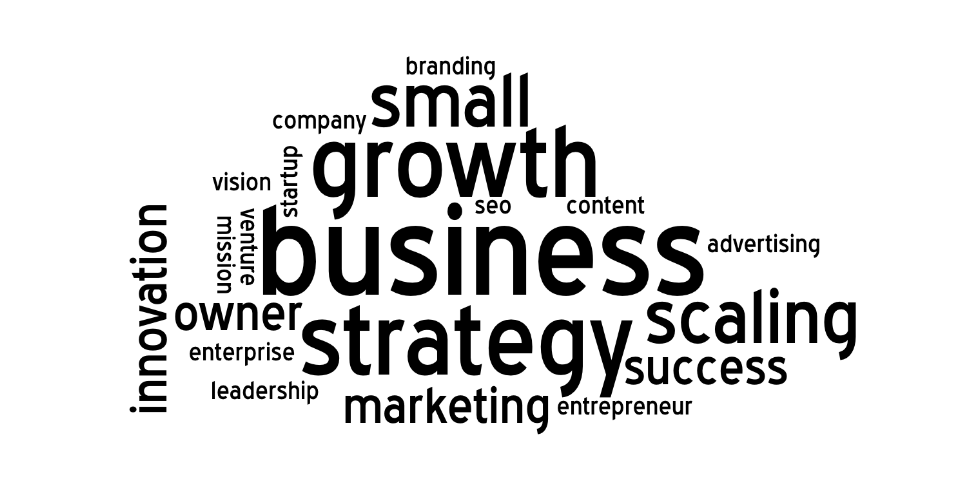
That is where an AI word cloud generator can help. The tool is built to turn pasted, typed, or uploaded text into a visual snapshot of repeated words, with options to edit terms, change fonts and colours, control word count, and download the final image for sharing.

Start With Questions, Not Graphics
Word clouds work best when they answer a clear business question. The U.S. Small Business Administration says market research helps businesses find customers, improve ideas, reduce risk, and understand demand, pricing, and competition.
That makes the first step simple. Decide what you want to learn before you paste in a block of text. A good word cloud begins with one focused prompt, not a random pile of comments.
You might ask what customers mention most after checkout. You might compare words used in positive reviews and refund requests. You might also scan open ended staff feedback before a planning session, especially when you want to spot repeated concerns without reading every line twice.
At Hatch Tribe, practical AI use is framed around helping small businesses save time, reduce overwhelm, and improve marketing and growth decisions. That mindset fits word clouds well, because they can act as a first pass that points leaders toward the themes worth studying more closely.
Know What Word Clouds Do Well
A word cloud is not a final report. It will not explain intent, context, or emotion by itself. Still, it can give a fast read on what keeps showing up, which is useful when you are sorting through a high volume of text.
This is especially helpful with customer research. NIST notes that surveys and questionnaires provide quantitative data, while focus groups and interviews add qualitative findings on behaviours, motivations, and emotions.
A word cloud sits near the front of that process. It helps you see repeated language before you move into deeper coding, tagging, or team discussion. That can save time when a founder, manager, or consultant needs a quick pattern check before making a call.
It also helps teams talk about the same material more clearly. Instead of vague comments about what people “seem” to be saying, you have a simple visual that shows which terms appear most often. That alone can improve meetings, because the discussion starts with shared evidence instead of guesswork.
Use Them In Places Where Patterns Matter
Some business uses are more helpful than others. A word cloud shines when you have a lot of short to medium text responses and want a fast summary. It is less helpful for technical reports, legal review, or any situation where one phrase needs careful interpretation.
These are some of the best uses for small teams:
survey answers after a launch, workshop, or event
customer reviews across one product or service line
support tickets from one quarter or campaign
sales call notes from a common offer
employee feedback before planning or team training
Each case gives you a pool of language that reflects what people notice first. If “slow,” “confusing,” and “waiting” dominate support comments, you likely have a service friction problem. If “easy,” “clear,” and “helpful” appear across reviews, your messaging and delivery may already be aligned.
This approach also pairs well with broader AI planning. Small businesses often get more value from simple, repeatable tools than from large systems they never fully use, which lines up with Hatch Tribe’s focus on practical AI support and smart growth tools for lean teams.
Clean The Data Before You Read The Result
A messy word cloud can send you in the wrong direction. The quality of the output depends on the quality of the text you feed into it and the edits you make before sharing it.
Start by removing filler words and repeated labels that do not mean much. Articles, pronouns, dates, product codes, and team shorthand can crowd out the terms that tell a real story. Group similar words together too, so “ship,” “shipping,” and “shipment” do not split one theme into three smaller signals.
Then check for words that look important but need context. A large “price” could point to concern, confusion, or satisfaction, depending on the comments behind it. That is why a word cloud should lead you back to the source text, not replace it.
A simple review process helps here:
pull text from one source or one clear time period
remove filler words and merge close terms
generate the cloud and note the biggest repeated words
return to the raw comments and read examples under each theme
decide what action, if any, the pattern supports
That last step is where many teams lose value. A visual is only useful when it leads to a better choice, such as rewriting onboarding emails, adjusting a service promise, or changing what managers discuss in a team meeting.
Turn A Visual Into A Better Decision
Word clouds become useful when they move from display to action. The visual should help a team ask better follow up questions, not end the conversation early.
Say a client survey keeps surfacing “late,” “unclear,” and “follow up.” That points toward communication gaps, but you still need to ask where the breakdown starts. Is it during proposals, delivery, invoicing, or support? The cloud helps you narrow the search, and that makes the next step faster.
The same applies to team feedback. If internal comments keep repeating “capacity,” “meetings,” and “priority,” a leader has a clearer starting point for planning. That can support better coaching conversations, sharper delegation, and more useful team sessions, especially when the goal is not more data, but cleaner action from the data you already have.
Used well, word clouds give small businesses a quick way to notice what people keep saying. They will not replace research, judgment, or leadership, but they can make all three easier to apply. For a busy founder, that is often enough to turn scattered words into a more focused next move.