
How to Scale Outreach Without Scaling Your Team
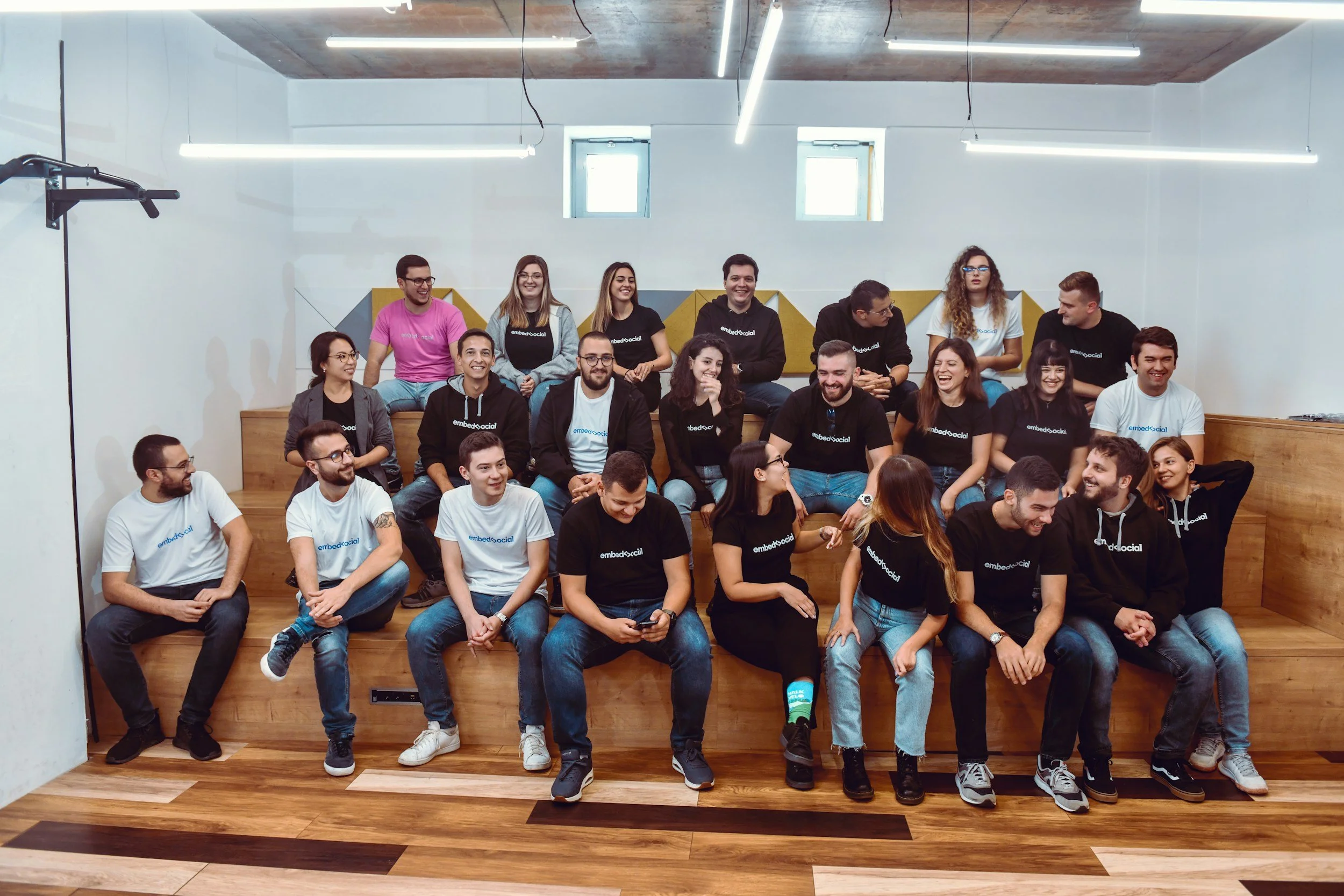
Scaling outreach is often thought of in terms of increasing headcount alone. And sure, more leads, more conversation, more follow-up, but it also means more pressure on a team that's likely already stretched.
However, that doesn't mean you can't or shouldn't aim to significantly increase your outreach. You should, but you should also make sure you're set up in the right way to do so.
Let's take a look at a few tips that can help you do just that.
Get Clear on Who You’re Actually Targeting
For the most part, outreach often fails due to poor targeting, not poor execution. You can be sending the right message, but if it's reaching the wrong people, it won't land as it needs to. It's one of the most common reasons why outreach stalls before gaining any real traction.
Before you start thinking about volume, get specific about who needs to know about what you're offering. This means moving beyond broad demographics and getting into the specifics — industry, company size, role, pain point, buying trigger, etc. The narrower and more accurate the target, the more every outreach effort will count.
Build a Process Before a Pipeline
A lot of businesses try to scale before they have a repeatable process to follow that works. The result is a busy but not productive pipeline.
The process needs to come first. This means knowing exactly what happens when a lead comes in, how quickly they're followed up with, what the sequence of touchpoints looks like, and where the handoff happens between marketing and sales. Once you have this documented and working consistently at a small scale, it's much easier to increase the volume without things falling apart. If you're trying to build the pipeline and the process together, things will fall apart, get missed, and yield unsatisfactory results.
Consider Outsourcing What You Can’t Scale Internally
There are always going to be some parts of outreach that are hard to scale in-house, particularly in the early stages of identifying prospects, making initial contact, and qualifying leads before they're worth a salesperson's time. This is where services like appointment setting can make a real difference. The outsourcing company handles the groundwork to the internal team to focus on conversions that are already warm rather than spending their time on cold outreach that may or may not go anywhere.
It's not about replacing the sales team. It's about making sure they're spending their time on the right part of the funnel.
Use Automation for the Repetitive, Not the Personal
Automation works well for the parts of outreach that don't require a human touch. Things like scheduling, follow-up sequences, data entry, and lead tracking, for example. It doesn't work well when it replaces genuine personalisation, which is still one of the biggest factors in whether outreach gets a response or is ignored.
The goal with automation is to remove friction and free up time, not to make every interaction feel like it came from a bot. And if you can get this balance right, you can scale outreach with ease.