
How To Choose the Right Door Installation Company for Your Business
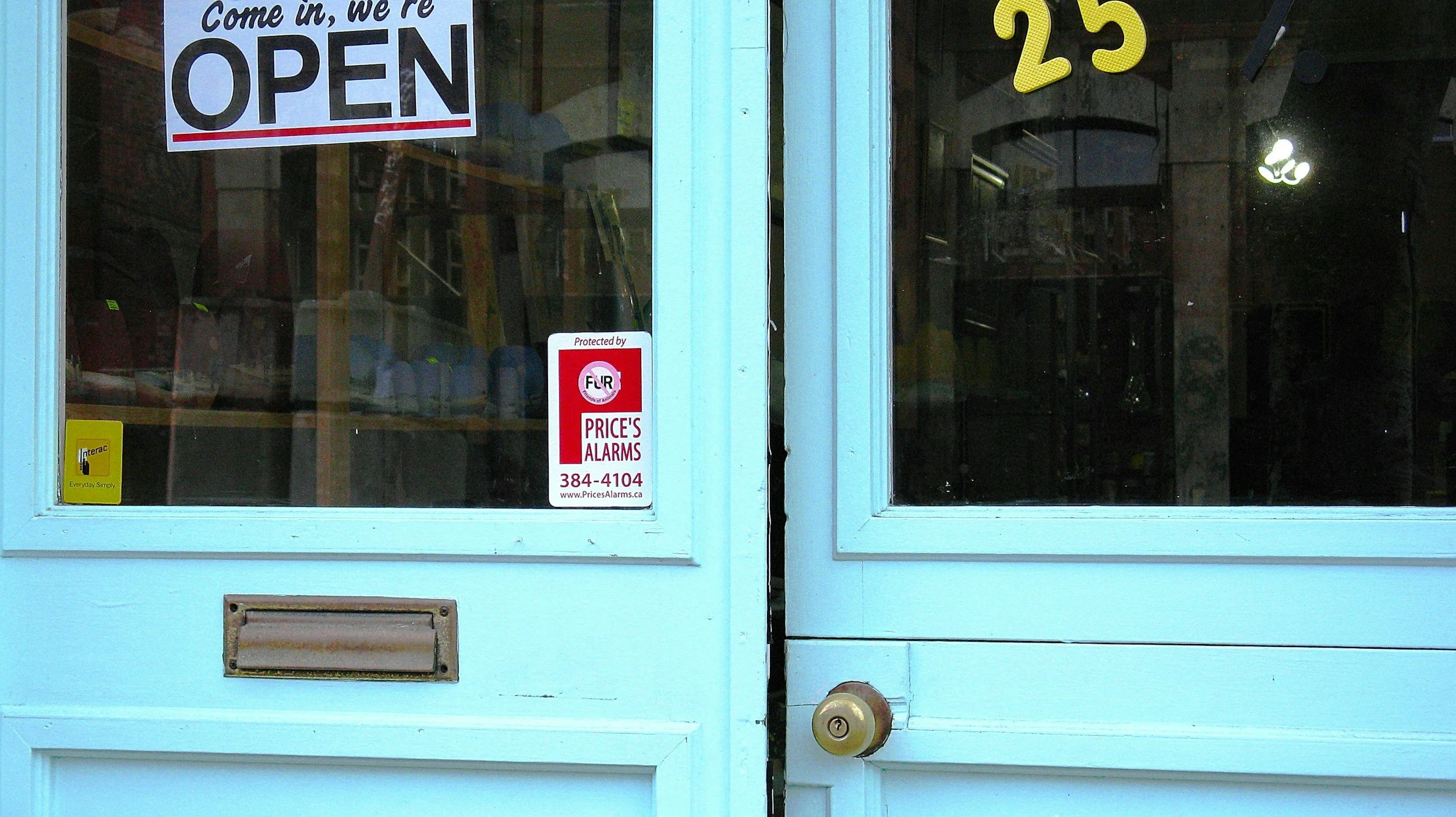
Building a new office or updating a storefront brings a long list of choices, and selecting the right door installation partner is one of the most meaningful decisions you will make. Doors create the first impression for anyone stepping into your business. They also influence safety, accessibility, and the ease with which people move throughout the space. When installed well, they support efficiency in ways many owners only notice after the work is done.
The challenge is that the market is filled with providers, each offering different options and promising dependable work. With so many choices, it is not always clear which company will understand the needs of your business and deliver results that last. That is why this article breaks it down. It walks you through the most important factors to review so you can make a confident and informed decision.
Proven Experience With Commercial Door Systems
Experience is often the clearest measure of a provider’s capability. Commercial buildings operate very differently from residential spaces. They handle higher traffic, stricter safety requirements, and more complex access needs. A company with a solid history in commercial environments understands these pressures and installs systems that support the way businesses function each day.
You can often evaluate experience by exploring the industries the company has worked in. Each setting comes with its own operational needs, safety requirements, and traffic patterns. A well-established commercial door installation company typically understands the expectations within:
Office buildings where controlled access and daily foot traffic must stay balanced.
Retail stores that depend on smooth entry flow and strong visual appeal.
Industrial sites where safety ratings, durability, and reinforced hardware matter.
Healthcare or educational facilities requiring precise compliance with accessibility and fire standards.
Commercial experience also shows through a company’s ability to coordinate with architects, contractors, and facility managers. Installers who understand how businesses operate know how to reduce downtime, plan installations around work schedules, and anticipate challenges that may affect employees or visitors.
Range of Door Options
Another important factor to check is the variety of door options a company offers. Commercial spaces are not all built the same, so the installer should provide choices that fit different layouts, traffic demands, and security needs.
Look for companies with strong options that carry everything from glass storefront doors to reinforced metal systems designed for high security or utility areas. Teams such as Commercial Door Works demonstrate this well. They offer choices that support offices, retail spaces, industrial environments, and more, giving you the flexibility to tailor each door to its specific use. Their range often includes:
Glass and aluminum storefront doors for visibility and a welcoming entrance.
Steel or hollow metal doors that are built for durability in demanding areas.
Automatic and access control door systems for secure, hands-free entry.
Reinforced or specialty doors designed for restricted or high security zones.
A provider with such a broad selection makes it simpler to match the right door to the needs of your business. They can also walk you through how different options respond to long-term use, and help you choose a system that supports both safety and day-to-day operations.
Compliance Knowledge and Safety Standards
Compliance forms the foundation of a safe and legally sound installation. Commercial doors must meet several requirements, including fire ratings, accessibility guidelines, and building codes. A company with strong compliance knowledge understands these standards and applies them carefully throughout the project.
This typically means:
Checking whether the installer can clearly explain how your doors will meet ADA requirements.
How fire-rated components are selected.
How emergency hardware should be placed.
A reliable provider treats safety standards as part of the planning process instead of addressing them only when problems arise. This prevents costly corrections later and protects the people who use your space every day.
Post Installation Support and Maintenance
A door system remains an active part of your building long after installation is complete. Daily movement affects hinges, hardware can loosen over time, and automated features rely on sensors and motors that need periodic calibration. Because these elements naturally shift with regular use, post-installation support becomes an essential factor when choosing the right company.
A dependable installer will explain the type of maintenance your system may require, how often adjustments should be scheduled, and what kind of follow-up service they provide if an issue appears unexpectedly. This level of support may include:
Routine inspections
Alignment checks
Hardware tightening
Lubrication of moving parts
Performance testing for automatic and access-controlled doors
Some providers also offer maintenance plans that help you keep every door in steady condition without waiting for a problem to arise. When upkeep is treated as a built-in part of the service rather than an optional extra, the entire system performs better in everyday conditions.
Closing Lines
Selecting the right door installation company becomes much more straightforward when you focus on the factors that directly influence performance and durability. Experience, service range, compliance knowledge, material quality, communication, and long-term support all contribute to a stable and well-functioning installation. By taking time to evaluate these elements, you can choose a provider that aligns with your needs and helps your business create a secure, dependable space for the future.