
How Smarter Transport Planning Is a Competitive Advantage for New Developments
When developers look at what makes a new project successful, transport planning often gets treated as a technical requirement instead of a strategic advantage. But the truth is, the way people move in and around a development shapes its long-term appeal, its value, and the overall experience of the community. Smarter transport planning doesn’t just make life easier for future residents. It creates stronger commercial activity, smoother traffic patterns, and a more attractive place to live and work.
When developers approach transport planning early and intentionally, they build projects that age better, attract more interest, and support surrounding growth instead of working against it.
Why early transport planning pays off
One of the smartest decisions developers can make is bringing in traffic engineering consultants early in the design phase. When traffic experts understand the vision and layout before anything is built, they can help shape roads, access points, walkways, and parking in ways that prevent bottlenecks and increase overall flow. This proactive approach often saves time and money later because it reduces the need for redesigns or last-minute fixes.
Well-planned transport systems also make daily life easier for residents. When people can get in and out of the development without stress, find parking easily, and navigate the area safely, it immediately increases the perceived quality of the project. These details may seem small at first, but they have a huge impact on customer satisfaction and long-term success.
How transport design supports surrounding communities
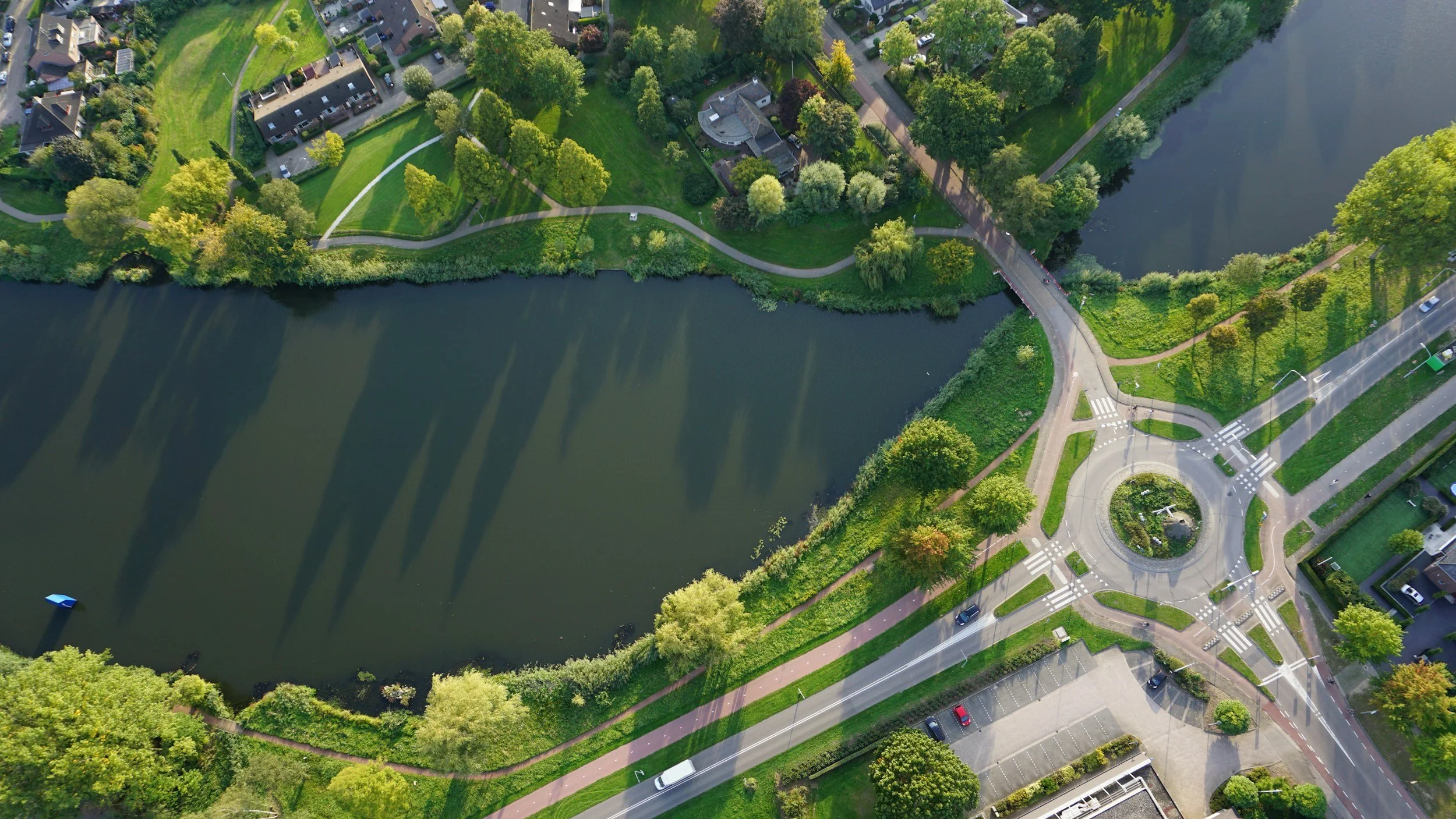
Transport planning isn’t just about vehicles. It’s about how people, services, and businesses interact with the area. When a development fits smoothly into the existing road network, public transport system, and pedestrian paths, it naturally supports local businesses. Customers can reach shops more easily, delivery routes are more reliable, and foot traffic is smoother.
At this stage, land planning Colorado plays a key role in aligning transport layouts with zoning, access points, and surrounding land use before design decisions become difficult to change.
Developments that ignore transport needs often create friction. Roads become congested, parking feels chaotic, and businesses struggle to attract steady customers. On the other hand, developments with thoughtful transport design help surrounding neighborhoods thrive instead of putting pressure on them.
Design choices like wider footpaths, bike lanes, clear signage, connected walkways, and safe crossings encourage more movement throughout the area. That creates a more vibrant community atmosphere and increases the likelihood that people will spend time, and money, nearby.
Why smarter transport planning boosts long-term value
Developers who think about transport holistically often see stronger returns down the road. Easy accessibility increases demand, keeps residents happier, and attracts future buyers. Smooth traffic flows and convenient access points can significantly influence real estate investments because buyers and tenants are quick to notice when a development feels effortless to navigate.
Transport planning also future-proofs a project. As population density increases and mobility habits change, developments with strong foundations adapt far more easily. This helps maintain property values, reduces infrastructure strain, and ensures the area stays desirable rather than outdated. Smarter planning makes the entire development more stable, more functional, and more appealing to long-term investors.
Smarter transport planning isn’t just a logistical step. It’s a competitive advantage that improves livability, supports surrounding communities, and boosts long-term value. When developers treat transport strategy as part of their vision, the entire project benefits.