
How Small Businesses Can Use Sponsorships to Hit Real Business Goals
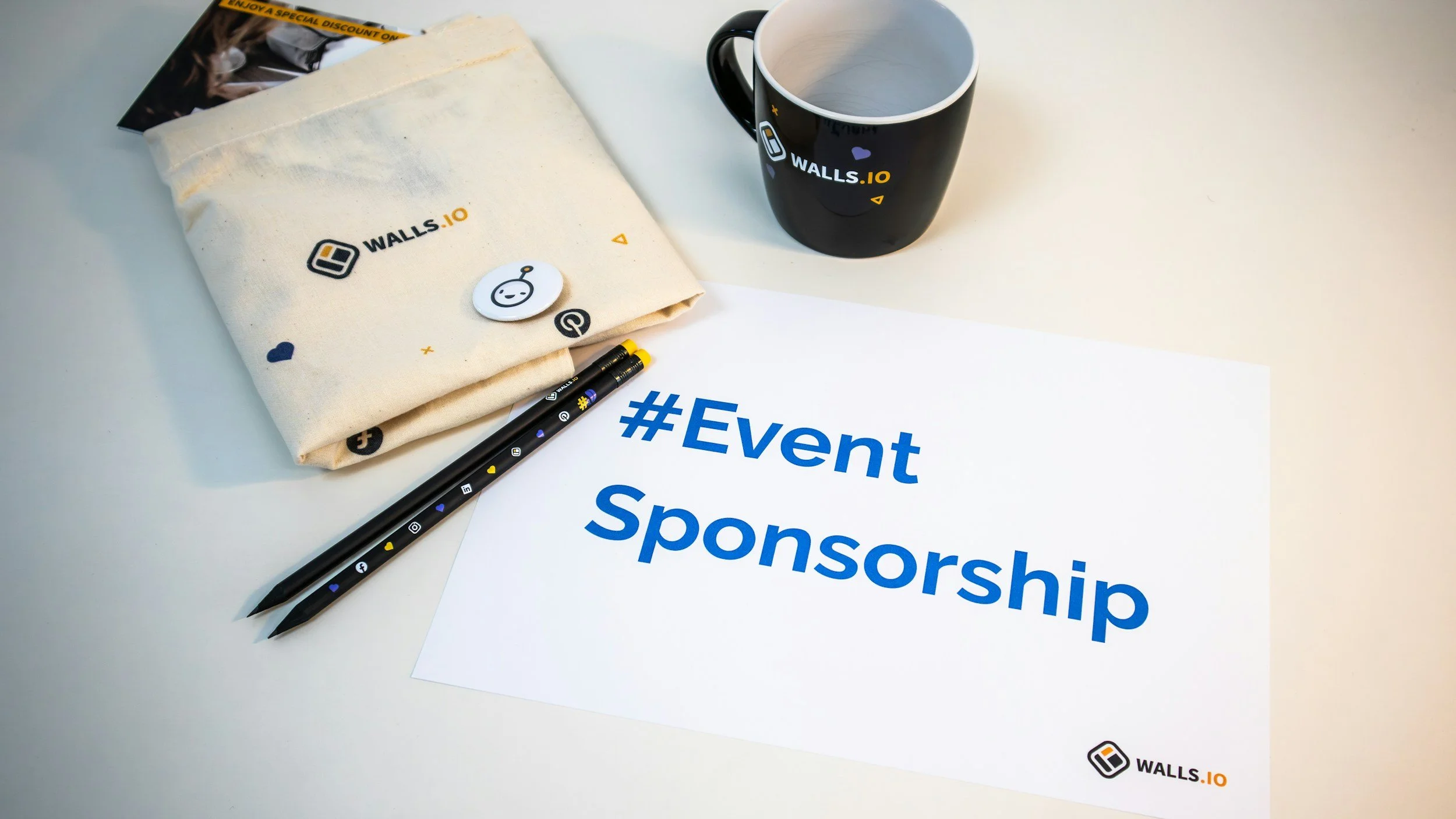
Sponsorships have been one of the most consistently misused marketing channels in small businesses. The version that doesn’t work is familiar: a few hundred dollars to put a logo on a soccer team’s jersey, a banner at a local 5K, a quarter-page ad in the conference program book. The version that does work looks structurally different, costs more attention than money, and produces measurable business outcomes when set up correctly.
What follows is the structural difference between the two, written for the small business owner trying to figure out whether sponsorship is worth their attention or whether it’s just another line item running every year without anyone checking whether it earned its keep. The piece covers when sponsorships make sense as part of a small business growth strategy, what goal-driven sponsorship design actually looks like, and the practical work of measuring whether yours is producing outcomes or absorbing budget.
Why Most Small Business Sponsorships Don’t Move Outcomes
The core problem is that most small business sponsorships start as a request for support rather than as a strategic decision. A neighbor’s daughter’s softball team needs uniforms. A favorite local cause is selling table sponsorships at a fundraiser. A trade conference is offering booth-plus-speaking-slot packages. The default response is some version of “yes, we’ll do something,” followed by writing a check, getting a logo placed somewhere, and never measuring whether anything happened.
The result is that these sponsorships don’t function as marketing investments. They function as community goodwill spending, which is fine if that’s what they’re labeled. The problem comes when small business owners line-item the spend as “marketing” and then wonder why the marketing budget feels expensive without driving growth. Conflating goodwill spending with strategic marketing is one of the most common avoidable mistakes in small business budget allocation, and it shows up in the books long before anyone notices it shaping the broader marketing posture.
What Small Business Sponsorship Actually Looks Like in 2026
The global sponsorship industry has scaled past $70 billion annually, with sports, entertainment, and B2B events as the major categories. Most of that spending is corporate-scale. The IEG sponsorship industry research tracks the broader market, and the patterns at the niche end look meaningfully different from the corporate end. Small business owners should think of community-level and niche-vertical sponsorship as a separate decision space from anything they read in mainstream sponsorship coverage.
For a small business with a limited marketing budget, the categories worth considering are: podcast sponsorships in your customers’ listening surface; newsletter sponsorships in industry-specific publications; small conference or trade-event sponsorships in the verticals you serve; partnership marketing with other small businesses whose customers overlap with yours; and community sponsorships that reach a specific local audience the business actually sells to. The common thread is audience fit. The audience reached by the sponsorship has to be the audience the business needs to grow.
The Strategic Frame: Goal-Driven Sponsorship Design
A sponsorship that produces outcomes starts with a specific goal, not a budget allocation. The goal can be lead generation (concrete contact information from a defined audience), audience access (entering an audience the business can’t reach efficiently otherwise), brand authority (positioning alongside trusted partners or institutions), partnership development (relationships with adjacent businesses or organizations that compound over time), or product visibility in a context where the audience is making relevant decisions. Each goal implies a different sponsorship structure, different metrics, and different evaluation criteria.
Industry guidance on sponsorship measurement and effectiveness consistently emphasizes the same starting point at corporate scale: define what you’re trying to achieve before you spend, and structure the program to be measurable against that goal. The structural work of designing sponsorships around outcomes follows a consistent pattern across scales: define goals, structure the activation around achieving them, measure against the goals, and iterate annually based on what produces and what doesn’t. Outcome-driven sponsorship program design applies whether the sponsor is a Fortune 500 brand or a local coffee shop sponsoring a podcast in their target customer’s commute window. The difference is scale, not method.
The Activation Layer: Where Sponsorship Programs Are Won or Lost
The single biggest predictor of whether a sponsorship produces outcomes is what the small business does with the placement after they pay for it. Logo placement is on the floor. Activation is what stacks on top: the host-read endorsement, the tracking URL, the co-produced content, the speaking slot, the post-event follow-up sequence, and the cross-promotion in the sponsor’s own channels. Most small business sponsorships under-invest in activation by a factor of five. Most corporate sponsorships make the same mistake at larger numbers, which is part of why most of the sponsorship money spent in any given year doesn’t move outcomes for anyone.
At a small business scale, activation typically falls into four categories worth thinking about separately:
Content activation. Co-produced content (newsletter co-writes, podcast guest spots, blog posts, joint webinars), the sponsor can use across their own channels long after the sponsorship window closes. This is the highest-compounding category because the value extends past the active program.
Direct-response activation. Tracking infrastructure (a unique URL, a discount code, a dedicated landing page, attribution mechanisms) that converts the sponsorship audience into measurable leads. Without it, the sponsorship has no measurable outcome and renewal becomes a faith decision.
Relational activation. Curated dinners, VIP receptions, speaking slots, peer introductions. Higher cost per touch, but the touches happen with a small set of high-value prospects rather than with a broad audience.
Cross-promotional activation. The sponsor uses the sponsorship in their own marketing (case study, testimonial, “as seen in” mention) and the host references the sponsor in their non-sponsored content. The two-way visibility compounds across both audiences.
The cost of activation usually runs about equal to the cost of the placement itself. A $5,000 podcast sponsorship that includes co-produced content typically requires another $3,000 to $5,000 of internal time and content production to actually capture the value. Small businesses that treat the placement cost as the total cost almost always under-deliver on the program. The ones that budget activation as a parallel line item produce the kind of compounding results that sponsorships can deliver when designed well.
This is the same pattern that shows up across the broader set of strategies that drive measurable small business growth: the visible spend (paid ads, software, sponsorships) is rarely where the value actually gets captured. The capture happens in the work around the visible spend, and most operators under-resource that work because it doesn’t appear on a vendor invoice. Sponsorship is one channel where the gap is most pronounced. Closing it is where small business sponsorship programs become real channels rather than seasonal expenses.
What to Measure (and What to Ignore)
The metrics that matter for sponsorship are the ones that connect to the goal. For lead generation: trackable conversions from the sponsorship-specific touchpoint (URL, code, dedicated landing page, mention attribution) over a defined window. For audience access: list growth, content engagement, and retention from the sponsorship-attributed audience compared to baseline. For brand authority: pre/post sentiment in the relevant audience, mention frequency in the right contexts, and qualitative feedback from prospects. For partnership development: actual partnerships formed, relationships activated, referrals received.
Metrics worth being skeptical of: impressions, “brand awareness lift” from a single placement, unattributed traffic claims, and vendor-supplied numbers without independent verification. The most common failure mode is letting the venue, event, podcast, or publication be the source of truth for whether the sponsorship worked. Their interest is in selling the next sponsorship, not in your business outcome.
This is where the broader discipline of cost-effective marketing strategies for small businesses matters. Every dollar spent on sponsorship has an opportunity cost. The same money could go to paid search, content, hiring a fractional growth specialist, or investing in product. The sponsorship has to clear the bar set by those alternatives, not just the bar of “we did it last year, so we’ll do it again.”
Where to Start
For a small business owner considering sponsorship as part of a growth strategy, the practical sequence is short:
Define a specific goal that sponsorship would serve. Not “more visibility,” but something like “30 qualified leads from owner-operated construction businesses by the end of Q3.” Goals at that level of specificity are the ones against which programs can be designed.
Identify the audience surfaces where that audience already gathers — podcasts, newsletters, events, and partnerships. The fit between the surface’s audience and your customer profile is the single biggest factor in whether the program produces.
Structure the sponsorship as a program rather than a placement. Include activation beyond logo, direct measurement infrastructure (tracking URL, code, dedicated landing page, attribution mechanism), and a co-marketing or content component that creates compounding value over time.
Set a budget proportional to the expected outcome. A sponsorship that should produce $30,000 in new revenue can’t cost more than what the business can absorb at that revenue level. Work backward from what the program is supposed to produce.
Plan the post-program review before the program starts. Decide what data you’ll look at, who reviews it, and what triggers a renewal versus a non-renewal. Reviews scheduled after the fact tend to default to renewal regardless of results.
For owners who haven’t thought about sponsorship structurally, working through the framework with someone who can challenge the assumptions is often the difference between a productive program and an expensive one. Strategic business coaching for growing small businesses is one path to that kind of structured thinking. Whatever the source, the discipline of treating sponsorship like any other marketing investment, with a goal, a structure, and a measurement plan, is what shifts the outcome from “we wrote a check” to “we built a channel.”
Sponsorships work for small businesses when they’re designed as growth programs and don’t work when they’re treated as community goodwill labeled as marketing. The structural difference is the difference between a line item that disappears in the next budget review and a channel that compounds across years. Most small businesses can build the second version of sponsorship into their growth mix. Most don’t, because the default version is so much easier to write a check for. Doing it the better way takes more attention than money, and that’s most of why it works for the businesses that do.