
How Small Businesses Can Elevate Their Space Without Major Renovations
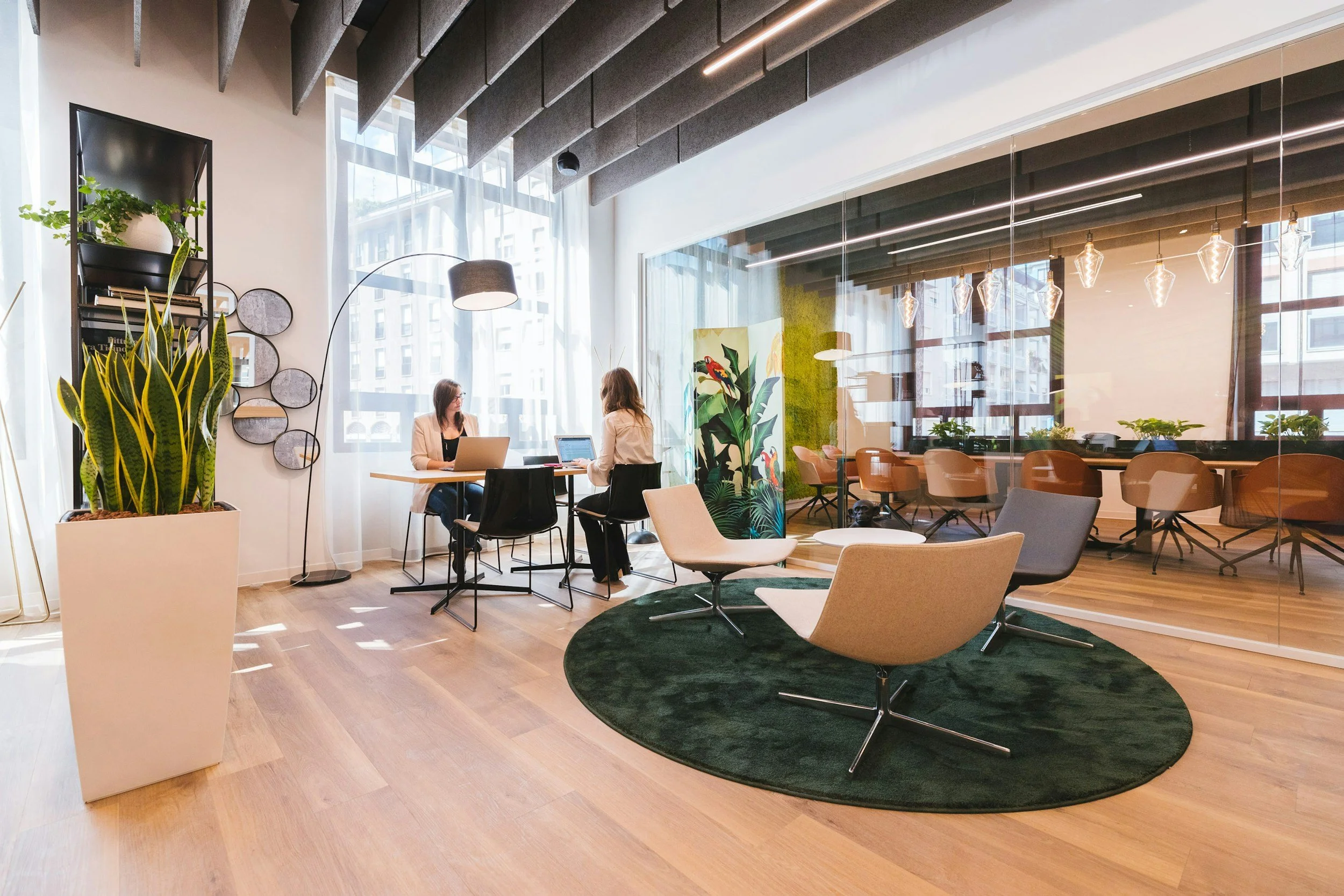
For many small business owners, improving a workspace can feel like an all-or-nothing decision. A full renovation sounds expensive, disruptive, and time-consuming, which often leads to putting upgrades off entirely. Yet first impressions still matter. Customers notice how a space feels the moment they walk in, and employees feel the impact every day.
The good news is that meaningful improvements do not require tearing down walls or shutting doors. With thoughtful choices, small businesses can elevate their space in practical ways that support daily operations and reflect professionalism. The key is knowing where to focus first and how to make upgrades that deliver visible results without major disruption.
The article shares exactly that!
Rethink Furniture and Layout Before Anything Else
Before investing in new materials or finishes, it is worth stepping back and looking at how the space is being used. Layout has a direct impact on how customers move through a business and how comfortably employees can work.
Simple adjustments often make a noticeable difference:
Creating clear walkways so customers and staff can move easily
Removing or repositioning bulky furniture that makes the space feel crowded
Grouping seating or work areas in a way that feels intentional rather than improvised
These changes cost little to nothing, yet they can instantly make a space feel more open, organized, and professional. For many businesses, improving layout alone already elevates the overall experience.
Upgrade Flooring for a High-Impact, Low-Disruption Refresh
Once a functional layout is in place, flooring becomes a powerful next step for elevating a business space without major construction. Floors anchor the entire room visually, and outdated or damaged flooring can affect how professional a space feels, even if everything else is well designed. A new flooring upgrade can refresh the environment almost immediately.
What’s helpful is that today’s commercial flooring installation options are designed specifically for active business settings. These materials handle foot traffic well, are easier to maintain, and hold up even in demanding environments. Some of the most popular options include:
Hardwood and luxury vinyl flooring for durability and easy maintenance
Commercial carpet or carpet tiles for comfort and sound control
Laminate flooring for a polished look with added resilience
Waterproof flooring for areas prone to spills or moisture
The right option often depends on foot traffic, maintenance expectations, and the overall purpose of the space. You may choose what feels right based on your needs, or seek guidance when unsure.
Leading flooring companies like Dalton Flooring Center are ready to help and focus on tailored solutions rather than one-size-fits-all recommendations. They assess the space, review traffic patterns, and account for long-term needs. Based on this understanding, they recommend flooring that balances appearance and performance, followed by a well-organized installation process that supports business operations.
Refresh the Mood with Paint and Lighting
After layout and flooring are in place, paint and lighting become two of the most effective ways to shape how a space feels on a daily basis. These elements influence brightness, mood, and overall professionalism more than many small business owners realize. Even small updates in this area can subtly change how customers perceive the space and how comfortable employees feel working in it.
Fresh paint in neutral or brand-aligned tones helps a space feel cleaner, more cohesive, and better maintained. It can also reinforce brand identity without being overly bold.
Lighting plays an equally important role. Replacing outdated fixtures, improving task lighting, or adjusting light temperature can make work areas more functional and productive while creating a more welcoming environment for customers.
Thoughtful adjustments often include:
Using lighter tones to make smaller or enclosed spaces feel more open
Adding warm lighting in customer-facing areas to create a comfortable, inviting atmosphere
Improving task lighting in work zones where clarity and focus are essential
While these updates may seem minor on their own, together they contribute significantly to how polished and intentional a business space appears.

Use Décor and Soft Details to Add Warmth
Once the major functional elements are addressed, décor and soft details help bring balance and personality into the space. The goal is not to decorate heavily, but to add just enough warmth to make the environment feel welcoming and thoughtfully put together.
Subtle additions tend to work best in business settings:
Minimal wall art that reflects the brand, values, or local community
Plants or greenery to soften hard surfaces and improve the overall atmosphere
Area rugs or small accents that add comfort without interrupting traffic flow
When used with restraint, these elements help the space feel cared for rather than cluttered. Customers often notice when a business feels intentional, and employees benefit from an environment that feels comfortable and well-considered.
Final Thoughts
Improving a business space does not require major renovations or extended downtime. By starting with layout, making a strategic flooring upgrade, and layering in thoughtful lighting and design details, small businesses can achieve a noticeable transformation. Each step builds on the last, creating a space that feels professional, welcoming, and functional.